Clarity Act Compromise Inevitable: Senator Alsobrooks Urges Pragmatic Crypto Legislation at ABA Summit
BitcoinWorld
Clarity Act Compromise Inevitable: Senator Alsobrooks Urges Pragmatic Crypto Legislation at ABA Summit
WASHINGTON, D.C. – At the American Bankers Association Summit, a pivotal declaration reshaped the outlook for cryptocurrency regulation. Senator Angela Alsobrooks stated that compromise is inevitable to pass the crucial Clarity Act, the landmark crypto market structure legislation. Her frank admission signals a critical shift toward pragmatic lawmaking in the digital asset space. This development comes as lawmakers, bankers, and innovators seek a stable framework for the future.
The Clarity Act Faces a Critical Juncture
Senator Angela Alsobrooks delivered her remarks during a high-profile session at the ABA Summit. The event gathers leading figures from the nation’s banking sector. Consequently, her message carried significant weight for traditional finance. The Clarity Act aims to create a comprehensive regulatory structure for digital assets. However, crafting such a framework requires balancing diverse and often competing interests.
Alsobrooks emphasized that “perfection should not be the enemy of the good.” This philosophy underscores the legislative challenge. She predicted all parties would leave negotiations somewhat dissatisfied. This realistic assessment highlights the complex nature of the bill. The legislation must address consumer protection, market integrity, and technological innovation simultaneously.
Building a Bipartisan Bridge for Crypto Regulation
Senator Alsobrooks revealed she is working closely with Representative Tom Tillis on a compromise. Their collaborative effort seeks to bridge partisan divides. The primary goal is to prevent deposit flight from traditional banks to less-regulated crypto entities. Simultaneously, the framework must support legitimate financial innovation. This dual objective is central to the Clarity Act’s mission.
The current regulatory landscape for cryptocurrencies remains fragmented. Different federal agencies, including the SEC and CFTC, claim various jurisdictions. This ambiguity creates uncertainty for businesses and investors. The Clarity Act proposes to delineate clear regulatory boundaries. It would classify digital assets and assign oversight responsibilities definitively.
Historical Context and Legislative Timeline
The push for clear crypto regulation is not new. Congress has debated various proposals for nearly a decade. Previous bills have stalled due to technical complexities and political disagreements. The Clarity Act represents the most advanced bipartisan effort to date. Its progression through committee marks a significant step forward.
Key milestones in the legislative journey include:
- 2023: Initial draft of the Clarity Act introduced.
- 2024: Multiple congressional hearings gather expert testimony.
- Early 2025: Revised bill gains support from banking and crypto committees.
- Present: Negotiations intensify ahead of a potential floor vote.
This timeline shows the deliberate pace of financial legislation. Each stage incorporates feedback from stakeholders across the spectrum.
Balancing Innovation with Financial Stability
The core tension addressed by the Clarity Act involves innovation versus stability. Cryptocurrency advocates argue that excessive regulation could stifle technological progress. Conversely, banking representatives and some regulators warn of systemic risks. They point to past failures in the crypto sector, like the FTX collapse. A balanced approach must mitigate these risks without halting development.
Senator Alsobrooks’ comments at the ABA Summit directly engage this tension. Her focus on preventing deposit flight addresses a key concern for traditional banks. The fear is that consumers might move funds to higher-yield but riskier crypto products. Effective legislation would ensure comparable consumer protections across all financial platforms.
Expert Perspectives on the Proposed Compromise
Financial policy analysts view the call for compromise as a positive sign. “Legislation of this magnitude rarely passes without negotiation,” notes Dr. Liam Chen, a Georgetown University regulatory scholar. “Senator Alsobrooks is acknowledging political reality while advancing the process.” This pragmatic stance may increase the bill’s chances of becoming law.
Industry reactions have been cautiously optimistic. A spokesperson for the Blockchain Association stated, “We welcome any dialogue that moves toward legal clarity.” Meanwhile, the American Bankers Association has consistently advocated for a level playing field. The ABA’s support will be crucial for the bill’s passage through the Senate.
The Road Ahead for Cryptocurrency Market Structure
The next steps for the Clarity Act involve detailed markups in relevant committees. Lawmakers will debate specific provisions regarding asset classification, custody rules, and disclosure requirements. The compromise framework mentioned by Senator Alsobrooks will serve as a starting point for these discussions. Its details will likely evolve through further negotiation.
Potential impacts of the legislation are far-reaching. A clear regulatory framework could:
- Attract more institutional investment into digital assets.
- Provide clearer guidelines for crypto exchanges and custodians.
- Enhance consumer protection mechanisms.
- Define the roles of federal and state regulators.
These outcomes would represent a major evolution for the U.S. financial system. They would integrate digital assets into the mainstream economic fabric.
Conclusion
The path forward for the Clarity Act now hinges on pragmatic compromise. Senator Angela Alsobrooks’ declaration at the ABA Summit sets a realistic tone for final negotiations. Her collaboration with Representative Tillis aims to craft legislation that protects consumers and fosters innovation. The success of this crypto market structure bill could establish the United States as a leader in digital finance regulation. As the process continues, all stakeholders watch closely, understanding that some dissatisfaction may be the price of historic progress.
FAQs
Q1: What is the Clarity Act?
The Clarity Act is a proposed U.S. law designed to create a comprehensive regulatory framework for cryptocurrency and digital asset markets. It seeks to classify assets and assign clear oversight responsibilities to federal agencies.
Q2: Who is Senator Angela Alsobrooks?
Senator Angela Alsobrooks is a United States Senator involved in financial services and banking regulation. She is a key figure in the bipartisan effort to pass the Clarity Act and spoke about its progress at the American Bankers Association Summit.
Q3: Why is compromise considered inevitable for this legislation?
Compromise is inevitable because the legislation must balance the interests of multiple stakeholders, including traditional banks, crypto innovators, regulators, and consumers. Achieving a perfect solution for all parties is politically impractical, necessitating negotiated concessions.
Q4: What does “prevent deposit flight” mean in this context?
It refers to preventing the large-scale movement of customer deposits from traditional, insured banks to riskier, less-regulated cryptocurrency platforms. The legislation aims to ensure consumer protections exist across all financial services, reducing incentive for risky migration of funds.
Q5: How does the Clarity Act aim to support innovation?
The Act seeks to provide legal certainty for businesses building blockchain and digital asset technologies. By clarifying which rules apply, it reduces regulatory ambiguity that can stifle investment and development in the cryptocurrency sector.
This post Clarity Act Compromise Inevitable: Senator Alsobrooks Urges Pragmatic Crypto Legislation at ABA Summit first appeared on BitcoinWorld.


You May Also Like
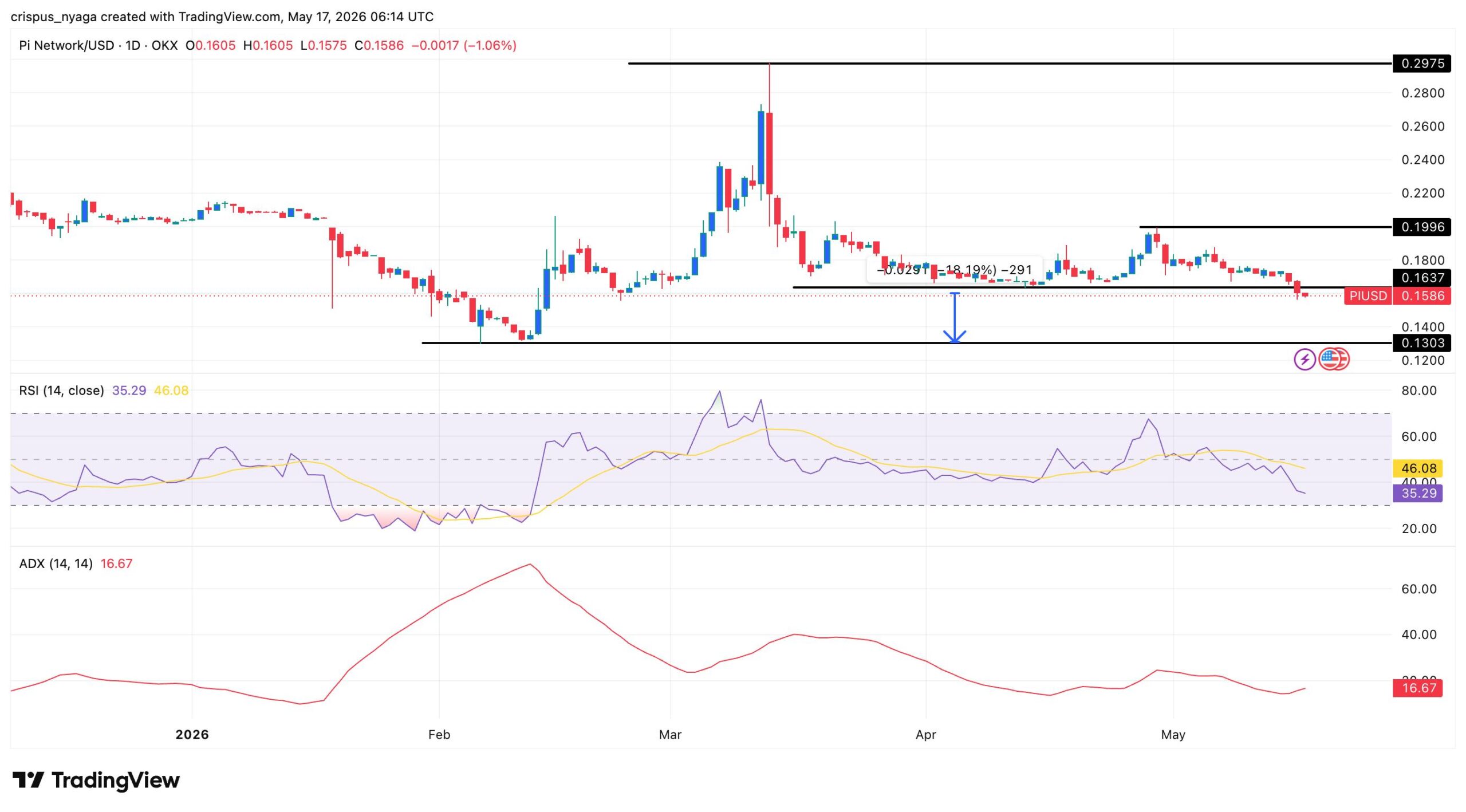
Pi Coin Price Crashes Another 7.5% Before Pi Network Protocol 23 Mainnet Activation

The Chemistry of UV Resistance: How Titanium Dioxide Protects Against the California Sun