Written by Seedco Since its launch in early 2024, Pump.fun has been the Solana ecosystem's most anticipated meme coin launch platform. Initially a low-barrier coin creation tool, it has grown over the past year and a half into a comprehensive platform integrating coin issuance, live streaming, and a creator capital market. In August 2025, Pump.fun continued to lead with cumulative revenue of US$800 million and a market share of over 70%. The platform did not stop at the label of "meme casino", but further consolidated its dominant position through a series of actions such as live streaming, CCMs (Creator Capital Market), and Ascend dynamic fee mechanism. Live broadcast: turning meme coins into social and entertainment Pump.fun attempted to add a live broadcast function in 2024, allowing creators to interact with the community while issuing coins. Initially, this model sparked controversy due to excessive attention-seeking behavior: some livestreamers drank excessively, set fires, and even abused animals. The platform urgently shut down livestreaming in November 2024 to reestablish its review mechanism. However, with its relaunch in 2025, livestreaming gradually returned to normal, becoming a key traffic driver for Pump.fun. Data shows that live streaming not only improves user stickiness, but also brings tangible benefits. Take the anchor Rasmr as an example. Before Ascend was launched, his daily income was only US$5.12, but the day after the new rate mechanism was launched, his income soared to US$2,290. Another creator, Jytol, said his average livestream audience was only four, but after going online, that number jumped to 15, and his income increased from $2.33 to $9.30. While not a huge amount, for the average creator, this growth rate far exceeds the profit models of traditional platforms like Twitch or Kick. The significance of livestreaming lies in the fact that it transforms the meme coin issuance process into a social and entertainment event. Users no longer simply purchase meme coins; they engage with creators in real time through livestreaming. As one livestreamer put it, "Pump.fun allows ordinary people to earn money livestreaming in small communities. I earn more than I could earn on Twitch in a whole year." CCMs: The Prototype of the Creator Capital Market Live streaming brings in traffic, but how do you convert that traffic into long-term value? Pump.fun’s answer is CCMs (Creator Capital Markets). Under the CCMs logic, each creator is not just a token issuer, but also an "investable target." Users can indirectly bet on the creator's reputation and influence through the tokens they issue. For example, Pump.fun’s Basedd House brings together a group of contracted streamers who serve as both content creators and token issuers. One of the creators, Goon, earned $9,400 in creator fees in three months. This effectively financializes "social capital": the stronger a creator's traffic and community engagement, the more valuable their token becomes. Compared to traditional meme coins, which rely solely on memes and short-term hype, CCMs provide an institutional framework for long-term bonding between creators and users, driving Pump.fun's transition to a creator economy platform. Ascend: System upgrade brought by dynamic fees In September 2025, Pump.fun launched Project Ascend, completely reshaping the platform's incentive structure. The core of this new model is a dynamic fee structure: creators receive a portion of the fees for each transaction, but this percentage decreases as the token's market capitalization increases. For a market capitalization between $88,000 and $300,000, creators can earn a transaction fee of up to 0.95%; As the market capitalization increases to $20 million, the fee rate drops to 0.05%, but by then trading volume has increased significantly. The effect is immediate: In the first 24 hours after Ascend launched, creators earned over $2.4 million, compared to just $198,000 the day before. Some creators have earned over $80,000 in a single day, a figure that was unimaginable in the past; The platform's overall fee revenue reached US$2.55 million on the launch day, surpassing the derivatives giant Hyperliquid at one point. As Dune analyst Adam Tehc puts it: “Creators are the core of the meme coin economy. Better incentives will give them a stronger position in this ecosystem.” User Experience: Minimal Design and Instant Gratification Beyond its various clever design mechanisms, Pump.fun's user experience is also the "soft power" that makes the platform so popular. On Pump.fun, anyone can create a meme coin in minutes simply by entering the token name and symbol and uploading an image. The platform’s bonding curve pricing mechanism replaces traditional order books and liquidity pools, meaning users don’t need to learn complex trading rules: When a user wants to purchase a token, they send funds (such as ETH or USDT) to the smart contract. The contract then calculates the price based on the current circulating supply using the Bonding Curve formula and mints new tokens for the user. Because the issuance of new tokens increases the total circulating supply, the next purchase price will be higher. Sell: When a user wants to sell tokens, they send them back to the smart contract for destruction. The contract then withdraws funds from the contract and returns them to the user based on the price corresponding to the circulating supply. Since the destruction of tokens reduces the total circulating supply, the next sale price will be lower. This clear and intuitive mechanism, together with the platform's real-time updated price curves and charts, brings strong immediate feedback. Data shows that since 2024, Pump.fun has attracted millions of users to try to issue coins, a considerable number of whom are exposed to blockchain applications for the first time. It is this minimalist UI and instant gratification that makes Pump.fun a natural incubator for meme culture. Conclusion: From "Paradise" to "Ecology" Pump.fun's leading position stems from its continuous evolution in multiple dimensions: In terms of data, it has established a moat with absolute revenue and market share; In terms of mechanism, Project Ascend transforms short-term speculation into a long-term creator ecosystem; In terms of experience, the minimalist process and instant feedback make it a natural place for memes to appear; KOLs and communities inject real communication and cohesive energy into it. All of this has made Pump.fun more than just a "speculation paradise" and a true creator economy platform. So no matter how the meme scene changes, your big brother will always be your big brother. In the next explosive cycle, it will still be the most important stage that cannot be ignored.Written by Seedco Since its launch in early 2024, Pump.fun has been the Solana ecosystem's most anticipated meme coin launch platform. Initially a low-barrier coin creation tool, it has grown over the past year and a half into a comprehensive platform integrating coin issuance, live streaming, and a creator capital market. In August 2025, Pump.fun continued to lead with cumulative revenue of US$800 million and a market share of over 70%. The platform did not stop at the label of "meme casino", but further consolidated its dominant position through a series of actions such as live streaming, CCMs (Creator Capital Market), and Ascend dynamic fee mechanism. Live broadcast: turning meme coins into social and entertainment Pump.fun attempted to add a live broadcast function in 2024, allowing creators to interact with the community while issuing coins. Initially, this model sparked controversy due to excessive attention-seeking behavior: some livestreamers drank excessively, set fires, and even abused animals. The platform urgently shut down livestreaming in November 2024 to reestablish its review mechanism. However, with its relaunch in 2025, livestreaming gradually returned to normal, becoming a key traffic driver for Pump.fun. Data shows that live streaming not only improves user stickiness, but also brings tangible benefits. Take the anchor Rasmr as an example. Before Ascend was launched, his daily income was only US$5.12, but the day after the new rate mechanism was launched, his income soared to US$2,290. Another creator, Jytol, said his average livestream audience was only four, but after going online, that number jumped to 15, and his income increased from $2.33 to $9.30. While not a huge amount, for the average creator, this growth rate far exceeds the profit models of traditional platforms like Twitch or Kick. The significance of livestreaming lies in the fact that it transforms the meme coin issuance process into a social and entertainment event. Users no longer simply purchase meme coins; they engage with creators in real time through livestreaming. As one livestreamer put it, "Pump.fun allows ordinary people to earn money livestreaming in small communities. I earn more than I could earn on Twitch in a whole year." CCMs: The Prototype of the Creator Capital Market Live streaming brings in traffic, but how do you convert that traffic into long-term value? Pump.fun’s answer is CCMs (Creator Capital Markets). Under the CCMs logic, each creator is not just a token issuer, but also an "investable target." Users can indirectly bet on the creator's reputation and influence through the tokens they issue. For example, Pump.fun’s Basedd House brings together a group of contracted streamers who serve as both content creators and token issuers. One of the creators, Goon, earned $9,400 in creator fees in three months. This effectively financializes "social capital": the stronger a creator's traffic and community engagement, the more valuable their token becomes. Compared to traditional meme coins, which rely solely on memes and short-term hype, CCMs provide an institutional framework for long-term bonding between creators and users, driving Pump.fun's transition to a creator economy platform. Ascend: System upgrade brought by dynamic fees In September 2025, Pump.fun launched Project Ascend, completely reshaping the platform's incentive structure. The core of this new model is a dynamic fee structure: creators receive a portion of the fees for each transaction, but this percentage decreases as the token's market capitalization increases. For a market capitalization between $88,000 and $300,000, creators can earn a transaction fee of up to 0.95%; As the market capitalization increases to $20 million, the fee rate drops to 0.05%, but by then trading volume has increased significantly. The effect is immediate: In the first 24 hours after Ascend launched, creators earned over $2.4 million, compared to just $198,000 the day before. Some creators have earned over $80,000 in a single day, a figure that was unimaginable in the past; The platform's overall fee revenue reached US$2.55 million on the launch day, surpassing the derivatives giant Hyperliquid at one point. As Dune analyst Adam Tehc puts it: “Creators are the core of the meme coin economy. Better incentives will give them a stronger position in this ecosystem.” User Experience: Minimal Design and Instant Gratification Beyond its various clever design mechanisms, Pump.fun's user experience is also the "soft power" that makes the platform so popular. On Pump.fun, anyone can create a meme coin in minutes simply by entering the token name and symbol and uploading an image. The platform’s bonding curve pricing mechanism replaces traditional order books and liquidity pools, meaning users don’t need to learn complex trading rules: When a user wants to purchase a token, they send funds (such as ETH or USDT) to the smart contract. The contract then calculates the price based on the current circulating supply using the Bonding Curve formula and mints new tokens for the user. Because the issuance of new tokens increases the total circulating supply, the next purchase price will be higher. Sell: When a user wants to sell tokens, they send them back to the smart contract for destruction. The contract then withdraws funds from the contract and returns them to the user based on the price corresponding to the circulating supply. Since the destruction of tokens reduces the total circulating supply, the next sale price will be lower. This clear and intuitive mechanism, together with the platform's real-time updated price curves and charts, brings strong immediate feedback. Data shows that since 2024, Pump.fun has attracted millions of users to try to issue coins, a considerable number of whom are exposed to blockchain applications for the first time. It is this minimalist UI and instant gratification that makes Pump.fun a natural incubator for meme culture. Conclusion: From "Paradise" to "Ecology" Pump.fun's leading position stems from its continuous evolution in multiple dimensions: In terms of data, it has established a moat with absolute revenue and market share; In terms of mechanism, Project Ascend transforms short-term speculation into a long-term creator ecosystem; In terms of experience, the minimalist process and instant feedback make it a natural place for memes to appear; KOLs and communities inject real communication and cohesive energy into it. All of this has made Pump.fun more than just a "speculation paradise" and a true creator economy platform. So no matter how the meme scene changes, your big brother will always be your big brother. In the next explosive cycle, it will still be the most important stage that cannot be ignored.

Meme is immortal, Pumpfun is immortal

2025/09/10 14:00
6 min read

Written by Seedco

Since its launch in early 2024, Pump.fun has been the Solana ecosystem's most anticipated meme coin launch platform. Initially a low-barrier coin creation tool, it has grown over the past year and a half into a comprehensive platform integrating coin issuance, live streaming, and a creator capital market.

In August 2025, Pump.fun continued to lead with cumulative revenue of US$800 million and a market share of over 70%. The platform did not stop at the label of "meme casino", but further consolidated its dominant position through a series of actions such as live streaming, CCMs (Creator Capital Market), and Ascend dynamic fee mechanism.
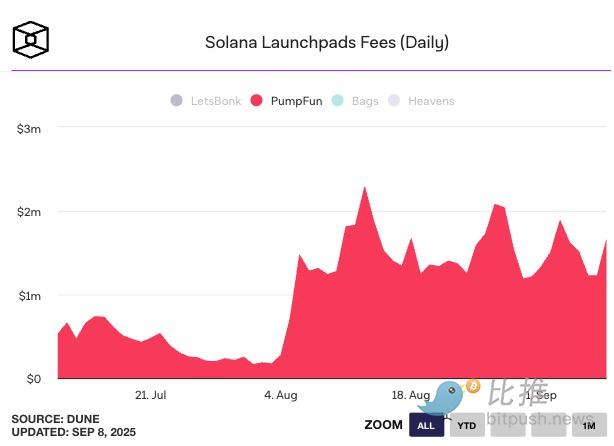
Live broadcast: turning meme coins into social and entertainment

Pump.fun attempted to add a live broadcast function in 2024, allowing creators to interact with the community while issuing coins.

Initially, this model sparked controversy due to excessive attention-seeking behavior: some livestreamers drank excessively, set fires, and even abused animals. The platform urgently shut down livestreaming in November 2024 to reestablish its review mechanism. However, with its relaunch in 2025, livestreaming gradually returned to normal, becoming a key traffic driver for Pump.fun.

Data shows that live streaming not only improves user stickiness, but also brings tangible benefits.

Take the anchor Rasmr as an example. Before Ascend was launched, his daily income was only US$5.12, but the day after the new rate mechanism was launched, his income soared to US$2,290.
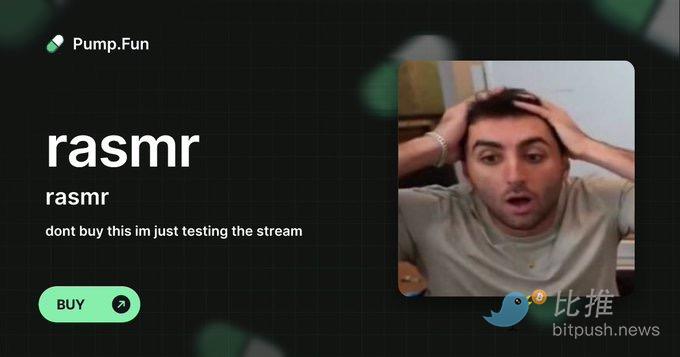
Another creator, Jytol, said his average livestream audience was only four, but after going online, that number jumped to 15, and his income increased from $2.33 to $9.30. While not a huge amount, for the average creator, this growth rate far exceeds the profit models of traditional platforms like Twitch or Kick.

The significance of livestreaming lies in the fact that it transforms the meme coin issuance process into a social and entertainment event. Users no longer simply purchase meme coins; they engage with creators in real time through livestreaming. As one livestreamer put it, "Pump.fun allows ordinary people to earn money livestreaming in small communities. I earn more than I could earn on Twitch in a whole year."

CCMs: The Prototype of the Creator Capital Market

Live streaming brings in traffic, but how do you convert that traffic into long-term value? Pump.fun’s answer is CCMs (Creator Capital Markets).

Under the CCMs logic, each creator is not just a token issuer, but also an "investable target." Users can indirectly bet on the creator's reputation and influence through the tokens they issue.

For example, Pump.fun’s Basedd House brings together a group of contracted streamers who serve as both content creators and token issuers. One of the creators, Goon, earned $9,400 in creator fees in three months.
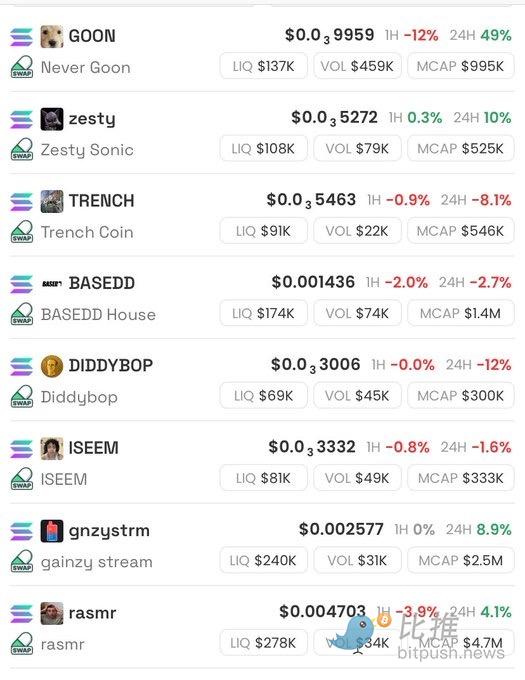
This effectively financializes "social capital": the stronger a creator's traffic and community engagement, the more valuable their token becomes. Compared to traditional meme coins, which rely solely on memes and short-term hype, CCMs provide an institutional framework for long-term bonding between creators and users, driving Pump.fun's transition to a creator economy platform.

Ascend: System upgrade brought by dynamic fees

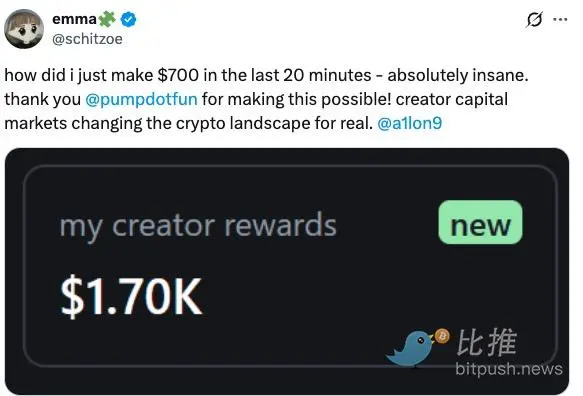
In September 2025, Pump.fun launched Project Ascend, completely reshaping the platform's incentive structure. The core of this new model is a dynamic fee structure: creators receive a portion of the fees for each transaction, but this percentage decreases as the token's market capitalization increases.

  • For a market capitalization between $88,000 and $300,000, creators can earn a transaction fee of up to 0.95%;
  • As the market capitalization increases to $20 million, the fee rate drops to 0.05%, but by then trading volume has increased significantly.
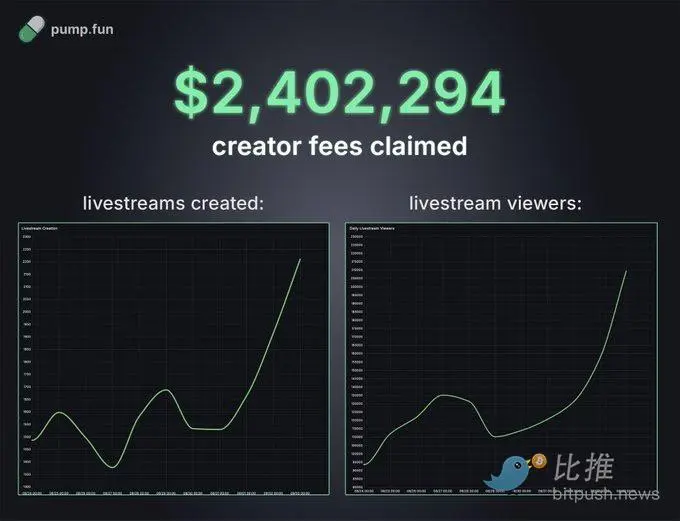
The effect is immediate:

  • In the first 24 hours after Ascend launched, creators earned over $2.4 million, compared to just $198,000 the day before.
  • Some creators have earned over $80,000 in a single day, a figure that was unimaginable in the past;
  • The platform's overall fee revenue reached US$2.55 million on the launch day, surpassing the derivatives giant Hyperliquid at one point.

As Dune analyst Adam Tehc puts it: “Creators are the core of the meme coin economy. Better incentives will give them a stronger position in this ecosystem.”

User Experience: Minimal Design and Instant Gratification

Beyond its various clever design mechanisms, Pump.fun's user experience is also the "soft power" that makes the platform so popular. On Pump.fun, anyone can create a meme coin in minutes simply by entering the token name and symbol and uploading an image.
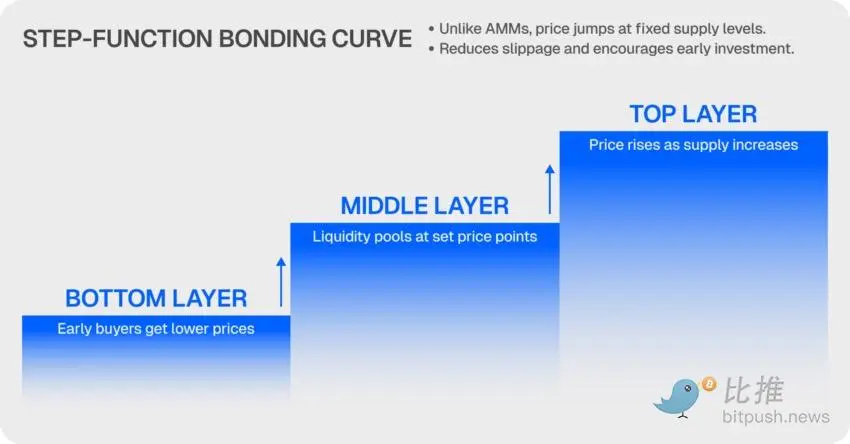
The platform’s bonding curve pricing mechanism replaces traditional order books and liquidity pools, meaning users don’t need to learn complex trading rules:

When a user wants to purchase a token, they send funds (such as ETH or USDT) to the smart contract. The contract then calculates the price based on the current circulating supply using the Bonding Curve formula and mints new tokens for the user. Because the issuance of new tokens increases the total circulating supply, the next purchase price will be higher.

Sell: When a user wants to sell tokens, they send them back to the smart contract for destruction. The contract then withdraws funds from the contract and returns them to the user based on the price corresponding to the circulating supply. Since the destruction of tokens reduces the total circulating supply, the next sale price will be lower.

This clear and intuitive mechanism, together with the platform's real-time updated price curves and charts, brings strong immediate feedback.
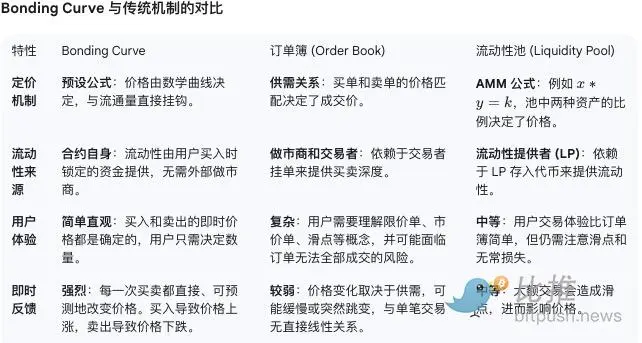
Data shows that since 2024, Pump.fun has attracted millions of users to try to issue coins, a considerable number of whom are exposed to blockchain applications for the first time. It is this minimalist UI and instant gratification that makes Pump.fun a natural incubator for meme culture.

Conclusion: From "Paradise" to "Ecology"

Pump.fun's leading position stems from its continuous evolution in multiple dimensions:

In terms of data, it has established a moat with absolute revenue and market share;

In terms of mechanism, Project Ascend transforms short-term speculation into a long-term creator ecosystem;

In terms of experience, the minimalist process and instant feedback make it a natural place for memes to appear;

KOLs and communities inject real communication and cohesive energy into it.

All of this has made Pump.fun more than just a "speculation paradise" and a true creator economy platform.

So no matter how the meme scene changes, your big brother will always be your big brother. In the next explosive cycle, it will still be the most important stage that cannot be ignored.

Market Opportunity
LETSTOP Logo
LETSTOP Price(STOP)
$0.01516
$0.01516$0.01516
-8.72%
USD
LETSTOP (STOP) Live Price Chart
Disclaimer: The articles reposted on this site are sourced from public platforms and are provided for informational purposes only. They do not necessarily reflect the views of MEXC. All rights remain with the original authors. If you believe any content infringes on third-party rights, please contact crypto.news@mexc.com for removal. MEXC makes no guarantees regarding the accuracy, completeness, or timeliness of the content and is not responsible for any actions taken based on the information provided. The content does not constitute financial, legal, or other professional advice, nor should it be considered a recommendation or endorsement by MEXC.
Tags:

You May Also Like

The Manchester City Donnarumma Doubters Have Missed Something Huge
The Manchester City Donnarumma Doubters Have Missed Something Huge

The post The Manchester City Donnarumma Doubters Have Missed Something Huge appeared on BitcoinEthereumNews.com. MANCHESTER, ENGLAND – SEPTEMBER 14: Gianluigi Donnarumma of Manchester City celebrates the second City goal during the Premier League match between Manchester City and Manchester United at Etihad Stadium on September 14, 2025 in Manchester, England. (Photo by Visionhaus/Getty Images) Visionhaus/Getty Images For a goalkeeper who’d played an influential role in the club’s first-ever Champions League triumph, it was strange to see Gianluigi Donnarumma so easily discarded. Soccer is a brutal game, but the sudden, drastic demotion of the Italian from Paris Saint-Germain’s lineup for the UEFA Super Cup clash against Tottenham Hotspur before he was sold to Manchester City was shockingly brutal. Coach Luis Enrique isn’t a man who minces his words, so he was blunt when asked about the decision on social media. “I am supported by my club and we are trying to find the best solution,” he told a news conference. “It is a difficult decision. I only have praise for Donnarumma. He is one of the very best goalkeepers out there and an even better man. “But we were looking for a different profile. It’s very difficult to take these types of decisions.” The last line has really stuck, especially since it became clear that Manchester City was Donnarumma’s next destination. Pep Guardiola, under whom the Italian will be playing this season, is known for brutally axing goalkeepers he didn’t feel fit his profile. The most notorious was Joe Hart, who was jettisoned many years ago for very similar reasons to Enrique. So how can it be that the Catalan coach is turning once again to a so-called old-school keeper? Well, the truth, as so often the case, is not quite that simple. As Italian soccer expert James Horncastle pointed out in The Athletic, Enrique’s focus on needing a “different profile” is overblown. Lucas Chevalier,…
Share
BitcoinEthereumNews2025/09/18 07:38
“We Cannot in Good Conscience Agree”: Anthropic Defies Pentagon Over AI Weapons

“We Cannot in Good Conscience Agree”: Anthropic Defies Pentagon Over AI Weapons

TLDR The Pentagon is demanding Anthropic remove safety guardrails from its Claude AI so it can be used for any lawful purpose, including autonomous weapons and
Share
Coincentral2026/02/27 20:18
If the dollar collapses, will Bitcoin win?

If the dollar collapses, will Bitcoin win?

The rapid decline of the US dollar has rekindled the dream of "super-Bitcoinization" among Bitcoin supporters. But there is little evidence that the dollar's demise spells victory for Bitcoin, and instead plenty of signs pointing to widespread societal dislocation. The Death of the Dollar: Lessons from Currency Collapses Fernando Nikolic, a former vice president of Blockstream who experienced Argentina's financial turmoil, warned that Bitcoin believers who hope for the demise of fiat currency don't know what they are expecting. "Bitcoiners celebrating the collapse of the dollar don't understand what they're asking for... This isn't liberation, this is your grandmother having to eat cat food because her savings evaporated... The demise of the dollar is not a victory for Bitcoin." In a period of true monetary collapse, basic necessities like water and food (not digital assets) would become the only things with real value. Many Americans who fantasize about a sudden transition to a Bitcoin economy have never experienced a true societal collapse. Nickrich warned that the reality is far more chaotic than they imagined and they would not actually welcome the expected demise of the dollar. The bleak picture across the United States points to a stressed fiat currency system The U.S. housing market has never been more unaffordable. Median single-family home prices in 2025 hit a record high, requiring double the income of 2019. The price-to-income ratio has reached an all-time high, homeownership has fallen to an all-time low, and millions of renters are spending 30% to 50% of their income on rent. The imbalance between wages and rising housing costs means that most potential homebuyers are locked out of the market, and social pressures continue to mount. To make matters worse, the U.S. unemployment rate rose slightly to 4.3% in August 2025, the highest level since the end of 2021, and the broader underemployment rate reached 8.1%. The figures mask the pain caused by a labor market that has failed to keep pace with inflation or by stagnant real wages. Against the backdrop of rising unemployment and house prices, the U.S. national debt exceeded $37 trillion in August 2025, more than twice the size of the country's economy. Borrowing costs continue to rise, with interest payments on the national debt exceeding even defense spending. The Congressional Budget Office projects that debt levels will reach that milestone five years earlier than originally planned due to increased borrowing and social spending during the pandemic. Debt growth of $1 trillion every five months is unsustainable and could push up interest rates and squeeze investment. When Fiat Fails, Bitcoin Doesn’t Automatically Win The US dollar index has fallen more than 10% against major currencies this year, its steepest decline since 1973. This decline has been linked to unpredictable economic policies, protectionism, and expansionary tax cuts. As the dollar depreciates, import prices rise, the purchasing power of ordinary Americans decreases, inflation worsens, and household budgets are strained. Depreciation further puts pressure on housing, employment and debt, exacerbating systemic vulnerabilities. All of these grim indicators paint a bleak picture of the fundamentals of the U.S. economy, and the U.S. dollar is often seen as a barometer for the rest of the world’s economies. If the world’s strongest currency is under pressure, what does that mean for the entire fiat currency system? While many Bitcoin advocates cry out that “Bitcoin can solve this problem,” hyperbitcoinization—the idea that people will massively turn to Bitcoin when fiat currencies fail—is a dangerous fantasy. This view ignores historical and social realities: when currencies collapse, trust evaporates, and abstract ideals are replaced by basic survival needs. Nikolic, whose experience was rooted in the collapse of Argentina's fiat currency, testified that the hope of so-called "liberation" was naive: the collapse meant only poverty, instability and suffering. When social safety nets and market norms break down, financial dislocations hit the vulnerable hardest. Bitcoin may offer an alternative to inflationary fiat currencies, but the demise of the dollar will bring not freedom but disaster and suffering to most people.
Share
PANews2025/09/22 17:00