Bitcoin’s Critical Struggle: Digital Asset Remains Range-Bound as Investors Shift to Commodities
BitcoinWorld
Bitcoin’s Critical Struggle: Digital Asset Remains Range-Bound as Investors Shift to Commodities
Bitcoin continues its critical struggle to break free from a persistent trading range between $60,000 and $75,000, according to recent Bloomberg analysis from April 2025. The digital asset’s performance, while outpacing traditional stocks and gold since recent geopolitical tensions, remains significantly constrained by shifting market dynamics and investor sentiment. This ongoing consolidation phase highlights broader financial market trends that are reshaping investment strategies globally.
Bitcoin’s Persistent Trading Range Analysis
Market data reveals Bitcoin has maintained a consistent trading corridor between $60,000 and $75,000 for several weeks. This range-bound behavior follows significant market volatility triggered by international conflicts earlier this year. Despite showing relative strength compared to traditional assets, Bitcoin currently trades more than 40% below its October 2024 peak. The cryptocurrency’s inability to establish new highs reflects changing market conditions and evolving investor priorities.
Technical analysts note several concerning indicators within Bitcoin’s current market structure. Open interest in Bitcoin derivatives has increased substantially while funding rates have turned negative. This combination typically signals bearish sentiment among professional traders. Furthermore, trading volumes have declined significantly compared to late 2024 levels, creating conditions ripe for increased price volatility. These factors collectively contribute to Bitcoin’s constrained price action.
Expert Perspectives on Market Sentiment
Wintermute analyst Jasper De Maere provides crucial insight into current market dynamics. He observes that despite Bitcoin’s recent price recovery, bearish sentiment continues to dominate professional trading circles. “The increasing open interest combined with negative funding rates creates a challenging environment,” De Maere explains. “Lower trading volumes compared to previous quarters make the asset particularly vulnerable to sudden price movements.”
Derivatives Market Signals Warning
Andreja Cobeljic, head of derivatives trading at Swiss-based crypto bank Amina, offers additional perspective on Bitcoin’s momentum challenges. Cobeljic notes that Bitcoin currently lacks the necessary momentum for sustained upward movement. “We’re observing what appears to be a temporary relief rally rather than a fundamental trend reversal,” Cobeljic states. “The market structure suggests we could see another decline following this current period of stabilization.”
These expert observations align with broader market data showing decreased institutional participation in cryptocurrency markets. Several major investment firms have reduced their cryptocurrency allocations in recent months, redirecting capital toward traditional assets. This shift reflects changing risk assessments and portfolio rebalancing strategies among institutional investors.
Commodities Attract Investor Attention
Bloomberg’s analysis identifies a significant market trend: investor attention is shifting from cryptocurrencies to traditional commodities and real assets. This movement represents a notable change in investment strategy following months of cryptocurrency dominance. Key commodities attracting increased investment include:
- Crude oil – Benefiting from geopolitical tensions and supply concerns
- Aluminum – Experiencing increased industrial demand
- Agricultural commodities – Gaining attention due to climate concerns
- Precious metals – Traditional safe-haven assets seeing renewed interest
Market analysts refer to these assets as “Old Economy Assets,” highlighting their fundamental differences from digital currencies. This terminology reflects the traditional nature of these investments compared to newer digital asset classes. The shift toward commodities represents a broader market rotation that occurs periodically as investors reassess risk and opportunity.
Historical Context and Market Cycles
Bitcoin’s current consolidation phase follows historical patterns observed in previous market cycles. The cryptocurrency has experienced similar range-bound periods multiple times throughout its history, typically preceding significant price movements in either direction. Historical data shows that extended consolidation often leads to substantial volatility once the range finally breaks.
The table below illustrates Bitcoin’s major consolidation periods and subsequent movements:
| Period | Consolidation Range | Duration | Subsequent Movement |
|---|---|---|---|
| 2016-2017 | $200-$300 | 8 months | +1,900% increase |
| 2018-2019 | $3,000-$4,000 | 5 months | +300% increase |
| 2020 | $9,000-$10,000 | 4 months | +400% increase |
Current market conditions differ from previous cycles due to increased institutional participation and regulatory developments. However, the fundamental pattern of consolidation followed by significant movement remains relevant for market analysis. Understanding these historical patterns helps investors contextualize current market behavior.
Geopolitical Factors Influencing Markets
Recent international conflicts have significantly impacted global financial markets, including cryptocurrency valuations. Geopolitical tensions typically create uncertainty that affects investor behavior across all asset classes. In the current environment, traditional safe-haven assets like gold and certain commodities have attracted increased attention while risk assets experience greater volatility.
Bitcoin’s performance relative to traditional assets during recent geopolitical events provides important insights. The cryptocurrency has demonstrated some safe-haven characteristics while maintaining its reputation as a risk asset. This dual nature creates unique challenges for investors attempting to categorize Bitcoin within traditional portfolio frameworks. The ongoing market uncertainty continues to influence Bitcoin’s price discovery process.
Regulatory Environment Developments
Global regulatory developments continue to shape cryptocurrency market dynamics. Several major economies have implemented new cryptocurrency regulations in recent months, creating both challenges and opportunities for market participants. Regulatory clarity typically reduces uncertainty but may also impose restrictions that affect market liquidity and participation.
The evolving regulatory landscape influences institutional investment decisions and market structure. Clear regulatory frameworks generally support increased institutional participation while ambiguous regulations may deter investment. Current regulatory developments across major markets are being closely monitored by investors and analysts for potential impacts on Bitcoin’s price trajectory.
Conclusion
Bitcoin remains firmly range-bound between $60,000 and $75,000 as market dynamics continue to evolve. The cryptocurrency faces significant challenges from bearish sentiment indicators and shifting investor preferences toward traditional commodities. While Bitcoin has demonstrated relative strength compared to some traditional assets, its inability to break above current resistance levels suggests continued consolidation. Market participants should monitor key indicators including trading volumes, derivatives market signals, and broader market rotations as Bitcoin navigates this critical phase. The ongoing shift toward commodities represents a significant development in global investment patterns that may influence cryptocurrency markets for months to come.
FAQs
Q1: Why is Bitcoin struggling to break above $75,000?
Bitcoin faces multiple resistance factors including bearish derivatives market signals, decreased trading volumes, and shifting investor attention toward traditional commodities. These combined factors create strong resistance around the $75,000 level.
Q2: What are “Old Economy Assets” mentioned in the Bloomberg report?
Old Economy Assets refer to traditional commodities and real assets like crude oil, aluminum, and agricultural products. These assets represent established, physical economic activities compared to newer digital asset classes like cryptocurrencies.
Q3: How do negative funding rates affect Bitcoin’s price?
Negative funding rates in perpetual futures contracts indicate that short positions are paying long positions, typically signaling bearish sentiment among professional traders. This can create downward pressure on spot prices and limit upward momentum.
Q4: What historical patterns suggest about Bitcoin’s current consolidation?
Historical data shows Bitcoin has experienced similar consolidation periods multiple times, often preceding significant price movements. Previous consolidation phases have lasted several months before resolving with substantial volatility in either direction.
Q5: How are geopolitical events affecting cryptocurrency markets?
Geopolitical tensions create market uncertainty that affects all asset classes. While Bitcoin has shown some safe-haven characteristics, it remains susceptible to broader market risk sentiment shifts during periods of international conflict.
This post Bitcoin’s Critical Struggle: Digital Asset Remains Range-Bound as Investors Shift to Commodities first appeared on BitcoinWorld.
You May Also Like

UK crypto holders brace for FCA’s expanded regulatory reach
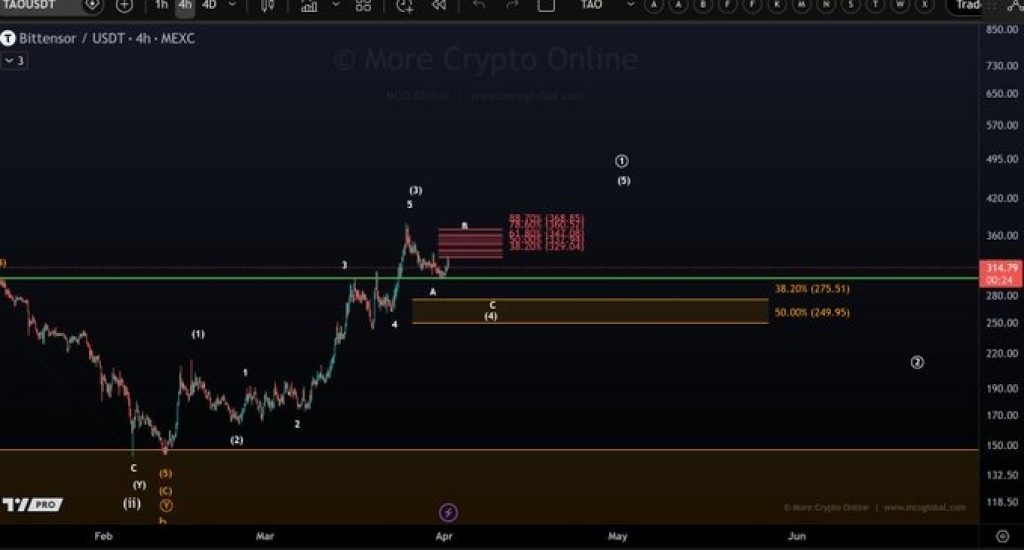
Thinking of Buying Bittensor? Watch These TAO Price Correction Levels First

China Nabs Another Huione Group Core Member in Cambodia Extradition