

RWA's narrative is so strong, so why are all RWA-related coins falling? I think the logic was flawed from the start.
Author: jiayi
I've thought for a long time about whether to write this. I have RWA projects on hand, so writing about this would be a bit of a slap in the face. But this question really deserves a direct answer.

On-chain government bonds have exceeded $4 billion, more than tripling in a year. BlackRock's BUIDL fund attracted several hundred million dollars in a single quarter. Franklin Templeton and HSBC are also investing. RWA's TVL is one of the few metrics that has continued to rise during this bear market.
But if you look at the tokens of these projects—they're almost all green, trending downwards. Some have dropped by more than 90% from their peak.
Why?
Some might say: retail investors can't get in. That's half right, but outdated. Projects are already addressing this issue—registration is all it takes, and retail users can participate in RWA rewards. User access has opened. But the price is still falling.
I believe many RWA projects failed to grasp the essence of the project from the very beginning.
RWA products and tokens each need to fulfill their respective roles.
The token economy model is flawed from the start.
The most common death formula for all RWA-related TVL category projects looks like this:
The essence of this logic is that tokens have become a subsidy tool, not a carrier of value.
If you think about business logic this way, then token holders only have one action—to sell. No one needs to buy tokens because there's no additional benefit to doing so. To earn RWA rewards, you can simply deposit assets; there's no need to hold tokens. This creates a market with only selling pressure and no buying pressure.
Many DeFi projects fail here. They offer rewards for depositing TVL (Total Value Limit), then airdrop rewards, then token rewards. They keep issuing tokens round after round. But nobody buys; everyone sells. The project's account keeps issuing more and more tokens, driving the price lower and lower, until finally, liquidity dries up.
The RWA track is now repeating this mistake.
So what should we do?
Because I work in strategic consulting and growth strategy, the core issue boils down to RWA's business itself.
RWA projects should focus their resources on one thing—finding truly good RWA assets.
Instead of designing increasingly complex token incentive systems.
What makes a good RWA asset? Four criteria:
- An attractive APY. The yield should make users feel it's worthwhile, be competitive with TradeFi, and not be lower than bank wealth management products.
- Consensus is essential. The asset itself must be recognized by the market; for example, government bonds or credit products backed by well-known institutions should be understandable and trustworthy to users.
- Stability. Not a high-risk, high-return speculative product, RWA's core value proposition is stable, real returns.
- Security. If the risk control on the asset side is robust, the underlying assets will not default.
When the underlying assets are of high quality, users will naturally come in to earn rewards. At this point, the role of the token should be: holding tokens is necessary to unlock better assets, higher yield rates, and higher priority allocations.
Demand flows from the asset side to the token side, creating a genuine reason to buy. It's not the other way around—using token subsidies to attract users, only to find that nobody wants to hold the tokens.
The RWA narrative is real, the data is real, and the involvement of institutions is real.
But no matter how strong the narrative is, it can't support a token model that's flawed from the start.
I predict the next RWA project to truly succeed will be one that solidifies its asset base before discussing token value. It won't rely on token rewards to drive TVL (Total Value Link), but rather on TVL to support the token. If the order is reversed, no amount of narrative or market gurus can save it.
Good assets attract users, and users support tokens. Doing it the other way around is using tokens to subsidize a product that nobody really wants.


You May Also Like
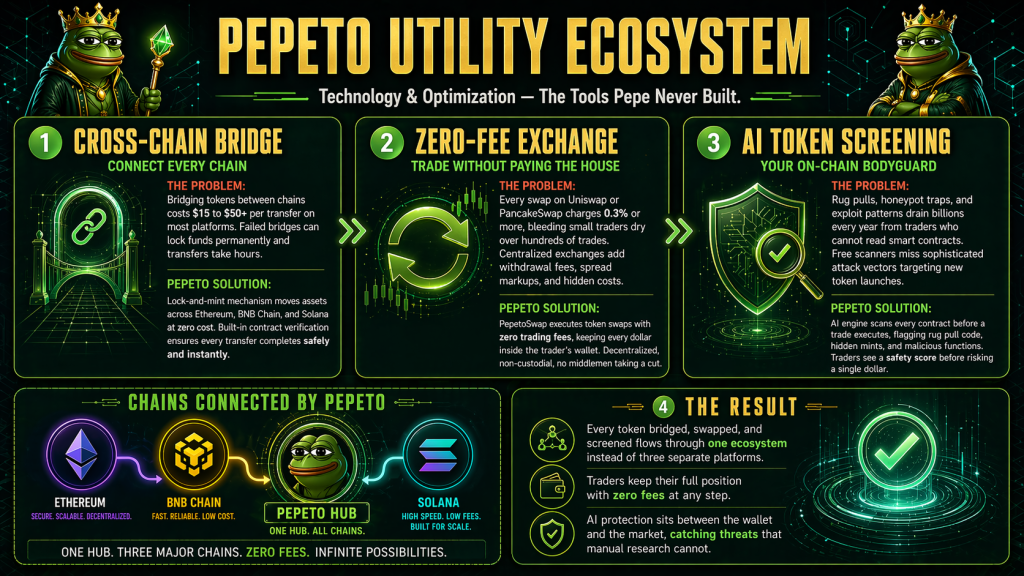
Which Are the Top 3 Cryptos to Buy Now as Solana Lands Mastercard and Pepeto Presale Nears Sold-Out Close
Ondas (ONDS) Stock Soars After Revenue Explodes Over 1,000% in Q1 2026




