

Abra Nasdaq Listing: A Groundbreaking SPAC Merger Transforms Crypto Brokerage Landscape
BitcoinWorld
Abra Nasdaq Listing: A Groundbreaking SPAC Merger Transforms Crypto Brokerage Landscape
In a landmark development for the digital asset industry, cryptocurrency brokerage platform Abra has officially announced a definitive merger agreement with Special Purpose Acquisition Company New Providence Acquisition Corp. This strategic move, revealed on March 21, 2025, paves the way for Abra to become a publicly traded entity on the Nasdaq Global Market. Consequently, the combined company will rebrand as Abra Financial and intends to trade under the ticker symbol ABRX, representing a significant maturation point for crypto-native financial services seeking mainstream capital markets validation.
Abra Nasdaq Listing Through SPAC Merger
The path to a public listing for Abra involves a Special Purpose Acquisition Company, or SPAC. Essentially, a SPAC is a shell company listed on an exchange with the sole purpose of acquiring a private company, thereby taking it public without a traditional initial public offering (IPO). New Providence Acquisition Corp., the SPAC partner in this transaction, provides the necessary structure and capital. Following shareholder and regulatory approvals, the merger will conclude, and Abra Financial will commence trading. This method has become increasingly popular for technology and fintech firms seeking faster access to public markets.
Market analysts immediately recognized the announcement’s importance. For instance, the move signals growing institutional confidence in regulated cryptocurrency business models. Furthermore, it provides Abra with a substantial war chest for expansion and acquisitions. The company plans to enhance its product suite, which currently includes trading, earning, and borrowing services for both cryptocurrencies and traditional assets. Ultimately, this capital infusion could accelerate innovation within the competitive crypto brokerage sector.
The Strategic Rationale Behind the SPAC Route
Choosing a SPAC merger over a traditional IPO offers Abra distinct advantages, particularly in the current financial climate. Firstly, the process typically proves faster and provides more certainty regarding valuation and funding. Secondly, it allows Abra’s management to present forward-looking projections to investors during the merger roadshow, something heavily restricted in a conventional IPO. This is crucial for a growth-stage company in the rapidly evolving crypto sector.
Historically, several fintech and crypto-adjacent companies have utilized this path. For example, notable precedents include Circle’s attempted merger and various blockchain mining firms. However, Abra’s model as a full-service financial platform blending crypto and traditional assets is unique. The SPAC structure enables Abra to articulate this hybrid vision directly to public market investors, potentially commanding a premium for its integrated approach.
Expert Analysis on Market Impact
Financial technology experts point to this development as part of a broader trend. “The Abra listing represents a pivotal test case,” observes a fintech analyst from a major research firm. “It demonstrates whether public markets are ready to value a crypto-primary company not just on asset custody or trading volume, but on its ability to function as a comprehensive, tech-driven financial services hub.” Success could encourage a wave of similar listings from other mature crypto platforms.
Regulatory compliance forms a cornerstone of this transition. Abra has actively pursued licenses, including key money transmitter licenses in the United States. As a public company, it will face heightened scrutiny from the Securities and Exchange Commission (SEC) and other bodies. This increased transparency, however, may build greater trust with both institutional partners and retail customers, differentiating it from purely private competitors.
Comparing Abra Financial to Public Crypto Peers
Upon listing, Abra Financial will join a small but growing cohort of publicly traded companies with core crypto operations. Its positioning, however, differs significantly.
- Coinbase (COIN): A pure-play crypto exchange, listed via direct IPO. Abra offers a broader suite of financial services.
- MicroStrategy (MSTR): A business intelligence firm known for its large Bitcoin treasury holding, not a consumer platform.
- Marathon Digital (MARA): A Bitcoin mining operation, representing a different segment of the crypto ecosystem entirely.
This comparison highlights Abra’s unique proposition as a diversified crypto-financial services provider. Its public valuation will therefore hinge on metrics like user growth for its integrated platform, total assets under management, and revenue from its multi-product ecosystem, not just spot trading fees.
The Future Roadmap for Abra Financial
Post-merger, Abra Financial leadership has outlined clear strategic priorities. The capital from the SPAC transaction will fuel several key initiatives. Expanding its institutional offerings stands as a top goal, catering to hedge funds and family offices. Additionally, geographic expansion into new, regulated markets is a stated objective. The company also plans to invest heavily in technology, particularly its proprietary platform that unifies crypto and traditional investment accounts.
Market observers will closely watch the company’s first few quarterly earnings reports. Key performance indicators will include:
- Monthly Active Users (MAU) growth
- Net revenue from subscription and service fees
- Total platform assets (crypto + fiat)
- Regulatory capital ratios and compliance expenditures
Successful execution on these metrics could validate the SPAC merger’s premise and solidify Abra Financial’s position as a leader in the convergence of traditional and decentralized finance.
Conclusion
The Abra Nasdaq listing via SPAC merger with New Providence Acquisition marks a transformative event for the cryptocurrency industry. It underscores a shift towards greater institutionalization, regulatory engagement, and mainstream financial integration for digital asset platforms. As Abra Financial begins trading under the ticker ABRX, it carries the potential to set a new benchmark for how public markets value innovative, hybrid financial technology companies. This move not only provides Abra with crucial growth capital but also offers public investors a novel avenue to gain exposure to the evolving future of finance, where digital and traditional assets seamlessly coexist on a single, accessible platform.
FAQs
Q1: What is a SPAC merger?
A SPAC merger occurs when a publicly-traded “blank check” company (the SPAC) acquires a private company, thereby taking that private company public without going through the traditional IPO process. It’s an alternative route to a stock exchange listing.
Q2: When will Abra start trading on Nasdaq as ABRX?
The exact trading date depends on the completion of the merger, which requires shareholder and regulatory approvals. The company announced the definitive agreement in March 2025, with the process typically taking several months to finalize.
Q3: How does Abra’s business model differ from Coinbase?
While both are crypto platforms, Coinbase is primarily a cryptocurrency exchange. Abra positions itself as a broader financial services platform, offering trading for both crypto and traditional stocks/ETFs, as well as earning and borrowing products, aiming to be an all-in-one financial hub.
Q4: What are the benefits for Abra in going public?
Going public provides Abra with increased capital for expansion, enhances its brand credibility, offers liquidity for early investors and employees, and subjects the company to public market discipline and transparency, which can build greater trust with users and regulators.
Q5: What risks are associated with this SPAC merger?
Key risks include the possibility of the merger not closing, market volatility affecting the final valuation, the intense regulatory scrutiny that comes with being a public crypto company, and the execution risk associated with Abra’s ambitious growth plans using the newly raised capital.
This post Abra Nasdaq Listing: A Groundbreaking SPAC Merger Transforms Crypto Brokerage Landscape first appeared on BitcoinWorld.


You May Also Like
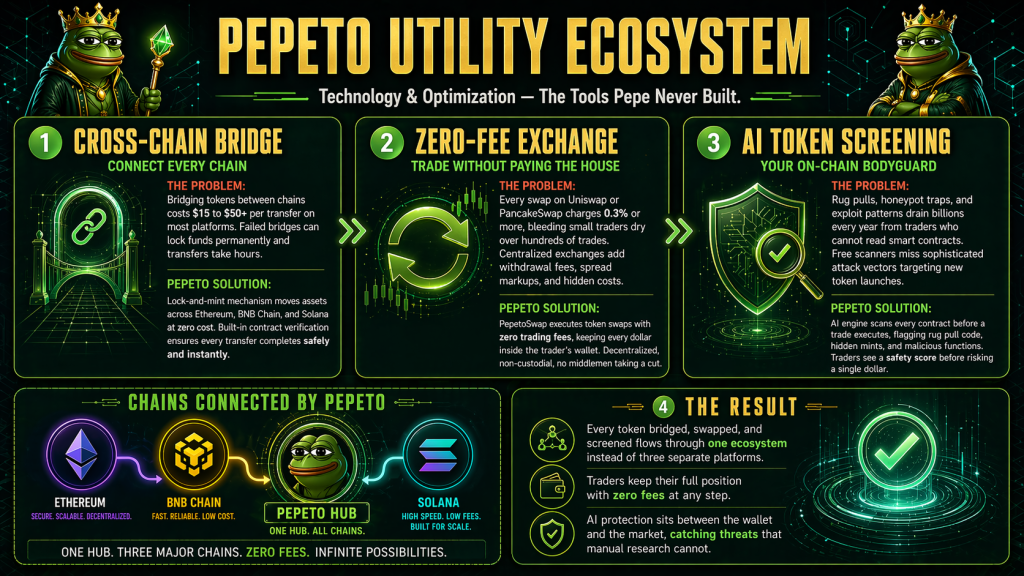
Which Are the Top 3 Cryptos to Buy Now as Solana Lands Mastercard and Pepeto Presale Nears Sold-Out Close
Ondas (ONDS) Stock Soars After Revenue Explodes Over 1,000% in Q1 2026




