Trump Reveals Stunning Diplomatic Contact: Iran Reaches Out to US Officials
BitcoinWorld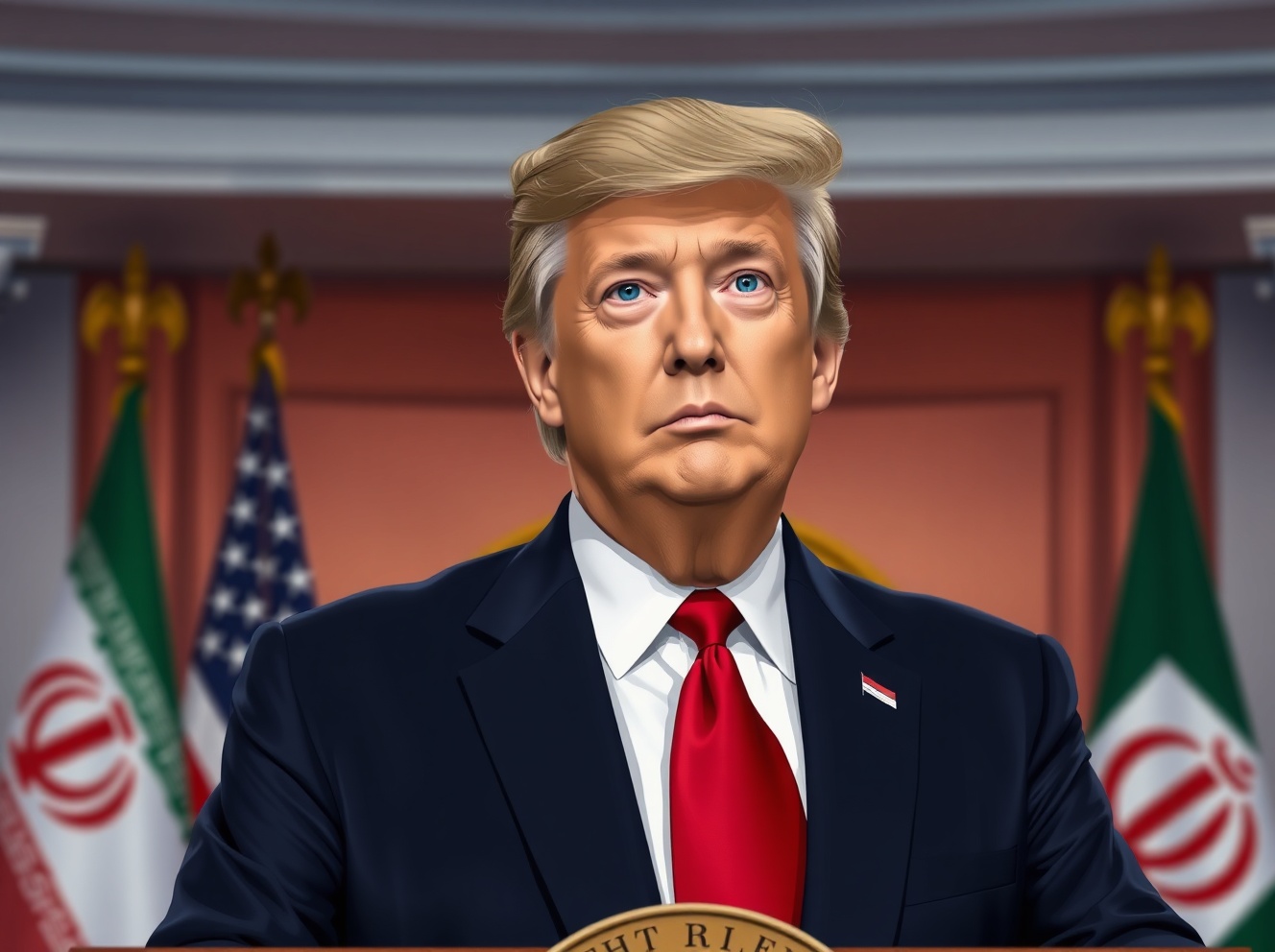
Trump Reveals Stunning Diplomatic Contact: Iran Reaches Out to US Officials
In a significant development that could reshape Middle Eastern geopolitics, former President Donald Trump has disclosed that Iranian officials have initiated contact with United States representatives. This revelation, reported from Washington D.C. on March 15, 2025, comes amid persistently strained relations between the two nations. The announcement immediately sparked global attention and raised questions about potential diplomatic breakthroughs.
Trump Announces Iran Contact with US Officials
Former President Trump made the disclosure during a recent public appearance, confirming communications between Iranian and American officials. This development represents a notable shift in diplomatic posturing between nations that have maintained minimal direct dialogue for years. The Trump administration previously pursued a maximum pressure campaign against Iran, implementing stringent sanctions and withdrawing from the 2015 nuclear agreement.
International relations experts immediately began analyzing the potential motivations behind Iran’s outreach. Several regional developments may have influenced this diplomatic maneuver, including changing economic conditions and shifting alliances. Furthermore, the global energy market continues to experience volatility that affects all petroleum-exporting nations.
Historical Context of US-Iran Relations
The relationship between the United States and Iran has experienced numerous tensions since the 1979 Islamic Revolution. Diplomatic relations severed completely following the hostage crisis at the American embassy in Tehran. Subsequent decades witnessed alternating periods of confrontation and limited engagement, with the nuclear agreement under President Obama representing the most significant diplomatic achievement.
President Trump’s administration dramatically altered this trajectory by withdrawing from the Joint Comprehensive Plan of Action in 2018. The reimposition of sanctions created substantial economic pressure on Iran while increasing regional instability. Several incidents nearly escalated into direct military confrontation during this period, including the 2020 assassination of Iranian General Qasem Soleimani.
Expert Analysis of Diplomatic Signals
Middle East analysts suggest multiple factors could explain Iran’s apparent outreach. The country faces significant economic challenges despite recent efforts to circumvent sanctions through alternative trading mechanisms. Additionally, domestic political pressures may influence Tehran’s foreign policy calculations as leadership considers both internal stability and regional influence.
Regional dynamics also play a crucial role in this diplomatic equation. Iran maintains complex relationships with neighboring states and proxy groups throughout the Middle East. Any substantive shift in US-Iran relations would inevitably affect conflicts in Yemen, Syria, and Lebanon while altering the balance of power in the Persian Gulf region.
Potential Implications for Regional Stability
The possibility of renewed dialogue between Washington and Tehran carries substantial implications for Middle Eastern security architecture. Several key areas would likely experience immediate effects from improved relations:
- Nuclear Negotiations: Any diplomatic engagement could revive discussions about Iran’s nuclear program and international safeguards
- Regional Proxy Conflicts: Reduced tensions might decrease Iranian support for militant groups opposing US allies
- Energy Markets: Normalized relations could increase Iranian oil exports, affecting global petroleum prices
- Security Partnerships: US alliances with Israel and Gulf states might require reassessment and adjustment
International reactions to this development have varied significantly among key stakeholders. Israeli officials typically express skepticism about diplomatic engagement with Iran, emphasizing continued security threats. Meanwhile, European nations that remained committed to the nuclear agreement have consistently advocated for renewed dialogue between the parties.
Diplomatic Channels and Communication Methods
The specific mechanisms for US-Iran contact remain unclear, though several established channels potentially facilitate such communications. Switzerland has historically served as a protecting power for American interests in Iran since diplomatic relations severed. Additionally, indirect discussions sometimes occur through intermediaries at international forums like the United Nations.
Oman and Qatar have occasionally mediated between the United States and Iran, leveraging their neutral diplomatic positions within the region. These Gulf states maintain working relationships with both nations while avoiding direct involvement in their conflicts. Such third-party facilitation allows for preliminary discussions without formal recognition or commitment from either government.
Verification and Official Responses
Official confirmation of contact between US and Iranian officials requires careful verification through multiple sources. The State Department typically maintains discretion about ongoing diplomatic engagements, especially during preliminary stages. Current administration officials have neither confirmed nor denied President Trump’s specific claim while emphasizing their commitment to diplomatic solutions.
Iranian media outlets have presented varying accounts of the alleged communications. Some reports acknowledge indirect exchanges while others dismiss the notion of direct contact with American representatives. This discrepancy reflects internal divisions within Iran’s political establishment regarding engagement with the United States.
Economic Factors Influencing Diplomacy
Economic pressures substantially influence Iran’s diplomatic calculations and potential outreach to the United States. The country continues to experience the effects of comprehensive sanctions despite developing alternative trading mechanisms. Several key economic indicators demonstrate the impact of restricted access to global financial systems and energy markets.
Comparative Economic Indicators (2020-2024):
| Indicator | 2020 | 2022 | 2024 |
|---|---|---|---|
| Oil Exports (million bpd) | 0.4 | 1.1 | 1.6 |
| Inflation Rate | 34% | 42% | 38% |
| Currency Depreciation vs USD | 320,000 | 420,000 | 580,000 |
These economic challenges create substantial incentives for Iranian leadership to explore diplomatic solutions that might alleviate financial pressures. However, domestic political considerations complicate any potential normalization with the United States, as hardline factions consistently oppose engagement with Western powers.
Conclusion
President Trump’s revelation about contact between Iranian and US officials represents a potentially significant development in Middle Eastern diplomacy. While details remain limited and unverified through official channels, the mere acknowledgment of communication suggests possible diplomatic openings. The complex relationship between Washington and Tehran continues to evolve amid changing regional dynamics and economic pressures. Any substantive engagement would require careful navigation of historical grievances, security concerns, and domestic political constraints in both nations. The international community will monitor subsequent developments closely, recognizing their profound implications for regional stability and global security architecture.
FAQs
Q1: What exactly did President Trump reveal about US-Iran contact?
Former President Trump stated that Iranian officials have been in contact with United States representatives, though he provided limited specifics about the nature, timing, or substance of these communications.
Q2: How have US-Iran relations evolved in recent years?
Relations deteriorated significantly after the US withdrew from the 2015 nuclear agreement and reimposed comprehensive sanctions. Several incidents brought the nations close to direct military confrontation before tensions gradually de-escalated.
Q3: What might motivate Iran to contact US officials now?
Potential motivations include economic pressures from sanctions, changing regional dynamics, domestic political calculations, or preparations for future diplomatic engagement under different circumstances.
Q4: How do regional allies like Israel view potential US-Iran dialogue?
Israeli officials typically express strong skepticism about diplomatic engagement with Iran, emphasizing continued security threats from Iran’s nuclear program and regional proxy networks.
Q5: What diplomatic channels might facilitate US-Iran communication?
Potential channels include Swiss intermediaries as protecting powers, Omani or Qatari mediation, indirect discussions at international forums, or backchannel communications through third parties.
This post Trump Reveals Stunning Diplomatic Contact: Iran Reaches Out to US Officials first appeared on BitcoinWorld.


You May Also Like

Mobix Labs (MOBX) Stock: Announces 1-for-10 Reverse Split to Regain Nasdaq Compliance
Prediction markets get CFTC relief as legal battles widen