Auction house to fold digital sales into contemporary art category as trading volumes collapse from 2021 highsAuction house to fold digital sales into contemporary art category as trading volumes collapse from 2021 highs

Christie's Shuts Down Digital Art Department Amid NFT Market Decline
2025/09/12 17:13
2 min read
Christie's Shuts Down Digital Art Department Amid NFT Market Decline

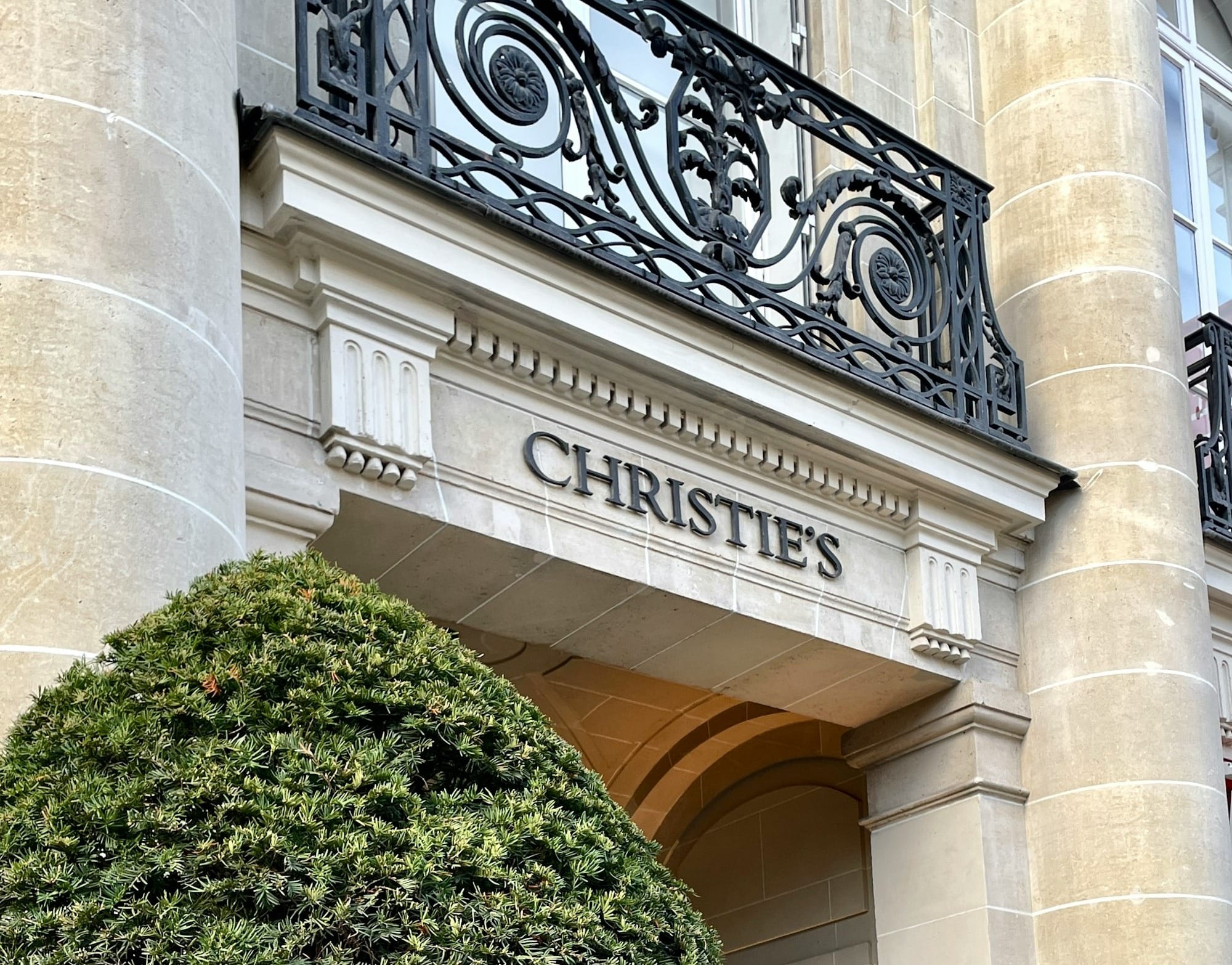
Christie's has quietly dissolved its standalone digital art department, ending a pioneering but brief chapter in the auction house's efforts to mainstream NFTs and AI-generated artwork.

The global auction house confirmed it "made a strategic decision to reformat digital art sales" and will continue selling digital works within its broader 20th and 21st Century Art category, according to a statement, Now Media reported.

Two department staff members were terminated in late August, including vice president of digital art Nicole Sales Giles, with only one digital art specialist remaining in New York.

The closure reflects broader challenges facing both traditional art markets and the digital art sector. Christie's reported $1.5 billion in fine art sales for the first half of 2025, down 1.9% from the previous year and nearly 25% below 2023 levels, according to Artnet's Mid-Year Intelligence Report.

The NFT art market has experienced an even sharper contraction. Trading volumes plummeted from $2.97 billion in 2021 to just $197 million in 2024, according to DappRadar analysis. Multiple digital art platforms including Async Art, KnownOrigin, and LG Art Lab have shuttered operations.

Christie's had been a leader in legitimizing digital art within traditional auction circles. The house made headlines in 2018 by selling the first AI-generated portrait at auction for $432,500, and launched its annual Art + Tech Summit the same year.

The department's defining moment came in March 2021 with the record-breaking $69 million sale of Beeple's "Everydays: The First 5000 Days," which sparked widespread NFT adoption across the art world. The success prompted Christie's to establish a dedicated digital art team and launch Christie's 3.0, its blockchain-based collecting platform, in 2022.

However, subsequent digital art sales failed to match that initial momentum. While Christie's continued hosting dedicated digital art auctions, including this year's "Augmented Reality" sale focused on AI art that generated $700,000, the volumes couldn't justify maintaining a separate department structure, Now Media said.

Rival auction house Sotheby's similarly downsized its Metaverse and NFT team last year, retaining only three specialists including digital art head Michael Bouhanna, Art Net reported.

The department's closure marks the end of Christie's experiment with treating digital art as a distinct collecting category, though the house indicated it will continue selling such works alongside traditional contemporary pieces.


Stay ahead of the curve with the latest industry news on Blockhead’s Telegram channel!
Market Opportunity
BounceToken Logo
BounceToken Price(AUCTION)
$4.989
$4.989$4.989
+3.35%
USD
BounceToken (AUCTION) Live Price Chart
Disclaimer: The articles reposted on this site are sourced from public platforms and are provided for informational purposes only. They do not necessarily reflect the views of MEXC. All rights remain with the original authors. If you believe any content infringes on third-party rights, please contact service@support.mexc.com for removal. MEXC makes no guarantees regarding the accuracy, completeness, or timeliness of the content and is not responsible for any actions taken based on the information provided. The content does not constitute financial, legal, or other professional advice, nor should it be considered a recommendation or endorsement by MEXC.

You May Also Like

Cashing In On University Patents Means Giving Up On Our Innovation Future

Cashing In On University Patents Means Giving Up On Our Innovation Future

The post Cashing In On University Patents Means Giving Up On Our Innovation Future appeared on BitcoinEthereumNews.com. “It’s a raid on American innovation that would deliver pennies to the Treasury while kneecapping the very engine of our economic and medical progress,” writes Pipes. Getty Images Washington is addicted to taxing success. Now, Commerce Secretary Howard Lutnick is floating a plan to skim half the patent earnings from inventions developed at universities with federal funding. It’s being sold as a way to shore up programs like Social Security. In reality, it’s a raid on American innovation that would deliver pennies to the Treasury while kneecapping the very engine of our economic and medical progress. Yes, taxpayer dollars support early-stage research. But the real payoff comes later—in the jobs created, cures discovered, and industries launched when universities and private industry turn those discoveries into real products. By comparison, the sums at stake in patent licensing are trivial. Universities collectively earn only about $3.6 billion annually in patent income—less than the federal government spends on Social Security in a single day. Even confiscating half would barely register against a $6 trillion federal budget. And yet the damage from such a policy would be anything but trivial. The true return on taxpayer investment isn’t in licensing checks sent to Washington, but in the downstream economic activity that federally supported research unleashes. Thanks to the bipartisan Bayh-Dole Act of 1980, universities and private industry have powerful incentives to translate early-stage discoveries into real-world products. Before Bayh-Dole, the government hoarded patents from federally funded research, and fewer than 5% were ever licensed. Once universities could own and license their own inventions, innovation exploded. The result has been one of the best returns on investment in government history. Since 1996, university research has added nearly $2 trillion to U.S. industrial output, supported 6.5 million jobs, and launched more than 19,000 startups. Those companies pay…
Share
BitcoinEthereumNews2025/09/18 03:26
VIRTUAL Bearish Analysis Feb 10

VIRTUAL Bearish Analysis Feb 10

The post VIRTUAL Bearish Analysis Feb 10 appeared on BitcoinEthereumNews.com. VIRTUAL is approaching a critical support test at the 0.55$ level, with RSI at 33
Share
BitcoinEthereumNews2026/02/10 15:15
XRPL Developer Says 100% Taking Profits on XRP at $10, $27

XRPL Developer Says 100% Taking Profits on XRP at $10, $27

An XRPL developer has stirred discussion around profit-taking levels well above today’s price, prompting mixed reactions from XRP holders who favor a never-sell
Share
Coinstats2026/02/10 15:11