Patient Experience in Healthcare: Dr. Vivek Desai on Strategy, Infrastructure, and the Future of Patient-Centric Hospitals
Customer experience in healthcare extends far beyond clinical outcomes. Today, hospitals are increasingly recognizing that patient journeys are shaped by the entire ecosystem — from facility design and service workflows to digital engagement and staff interactions. The focus is on Patient Experience in Healthcare.
As healthcare systems expand and modernize, the design and planning of healthcare infrastructure are becoming central to delivering efficient, patient-centric care. Strategic hospital planning now intersects with CX, technology integration, operational excellence, and long-term sustainability.
In this evolving landscape, healthcare consultants, planners, and industry thought leaders play a critical role in shaping the future of healthcare delivery. Their insights influence how hospitals operate, how patients experience care, and how healthcare organizations balance compassion with operational efficiency.
Hospital Planning, Healthcare Strategy, and Management Consultancy
Dr. Vivek Desai, Founder & Managing Director of HOSMAC, brings nearly three decades of experience in hospital planning, healthcare strategy, and management consultancy.
Through HOSMAC, he has helped conceptualize and commission numerous healthcare facilities, bringing together multidisciplinary expertise in architecture, healthcare administration, biomedical planning, finance, and technology.
Beyond consulting, Dr. Desai has contributed to healthcare policy and thought leadership through advisory roles with organizations such as the World Bank, USAID, and the Indian Ministry of Health. His involvement with major industry bodies and academic institutions further reflects his commitment to developing the next generation of healthcare leadership.
In this conversation, Dr. Desai shares his perspective on how healthcare infrastructure, strategy, and leadership intersect to shape meaningful patient experiences.
Phases of Growth and Transformation
Q1. Over the past three decades, you have worked closely with healthcare organizations during phases of growth and transformation. How has the concept of patient experience evolved in hospital planning and healthcare strategy during this time?
VD: When I began my journey over three decades ago, hospitals were largely designed around clinical efficiency and capacity. Patient experience, if I may say so, was more incidental than intentional.
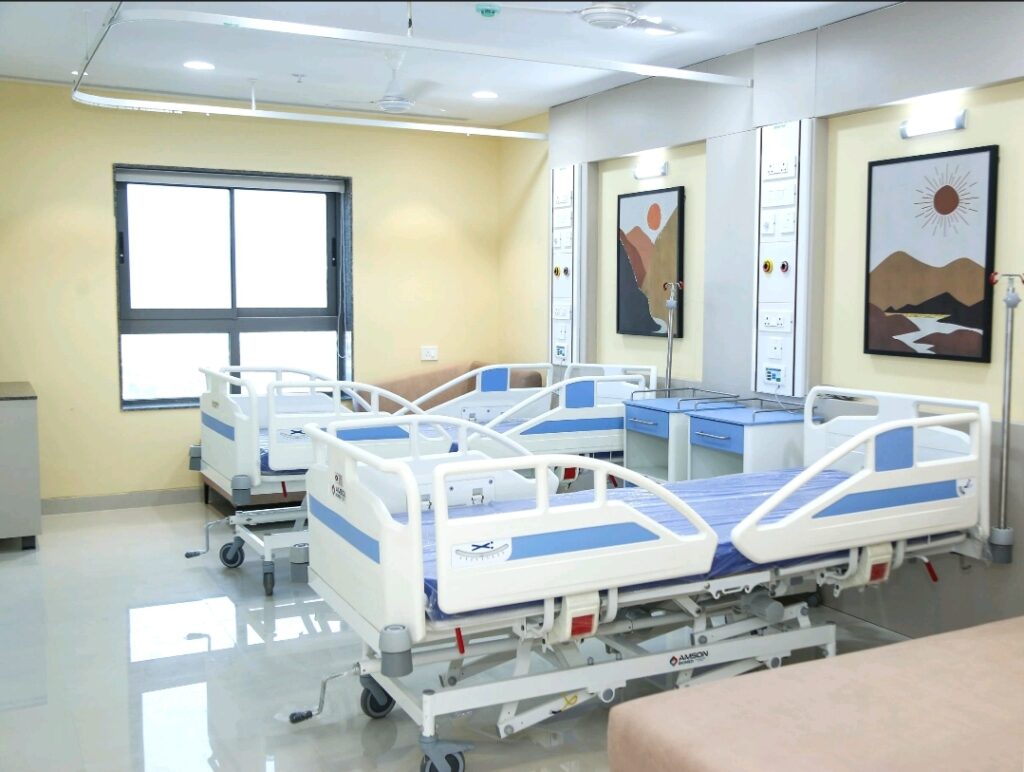
Over the years, I have seen a decisive shift. Today, patient experience is not just a differentiator it is central to how healthcare is conceived and delivered. We now understand that healing is influenced not only by medical intervention but also by environment, empathy, and ease of navigation through the system.
In many ways, hospital planning has moved from being infrastructure-led to experience-led.
Q2. From your perspective, what are the most overlooked aspects of customer experience in healthcare infrastructure and hospital design?
VD: Hospital owners have traditionally focused more on how to curtail capital cost for their benefit rather than that of their customers which includes patients, doctors and staff. This led to tighter spaces, lack of support elements like utility rooms/
staff lounges/toilets/ elevator sizes/corridor widths/floor heights etc. Another neglected aspect is planning for norm based indoor air quality which is a significant factor for air-borne infection control in hospital buildings.
Earliest Stages of Planning and Strategic Decision-making
Q3. When healthcare organizations embark on building or expanding hospitals, how should CX considerations be integrated into the earliest stages of planning and strategic decision-making?
VD: One lesson I have learned over the years is that patient experience cannot be retrofitted; it has to be imagined at the very beginning.
In our work, we encourage healthcare organizations to start by visualizing the patient journey across touchpoints. This informs everything from how departments are placed to how people move through the building.
When CX is embedded early, it stops being an add-on and becomes intrinsic to the hospital’s DNA.
Q4. Hospital projects involve diverse stakeholders—from clinicians and administrators to architects and engineers. How do you ensure that patient-centric thinking remains central throughout this complex planning ecosystem?
VD: Hospital projects bring together diverse experts, each with their own priorities. The challenge and responsibility is to align them around a common purpose.
I have found that the most effective way to do this is by continuously bringing the conversation back to the patient. In workshops and planning discussions, we often ask: What does this mean for the patient or their family?
When that question becomes central, alignment follows more naturally.
Q5. Technology is increasingly shaping the healthcare journey. How do digital systems, smart infrastructure, and emerging technologies influence the design and functioning of modern hospitals?
VD: Technology today is playing a transformative role. We have observed that hospitals evolve from paper-based systems to highly integrated digital ecosystems.
Systems like EMRs, smart diagnostics, and real-time operational dashboards are not just improving efficiency they are fundamentally changing how care is experienced. For instance, reducing waiting time through better scheduling may seem operational, but for a patient, it significantly reduces anxiety.
Technology, when used thoughtfully, can make healthcare feel more responsive and less intimidating.
Balancing Technological Advancement with the Human Touch
Q6. As healthcare facilities adopt more digital solutions, how should organizations balance technological advancement with the human touch that patients expect?
VD: From a HOSMAC perspective, the goal is not to choose between technology and the human touch, but to integrate both meaningfully.
We advocate for intelligent digitization using technology to remove friction from processes like registration, billing, and clinical workflows, thereby freeing caregivers to focus on patient interaction. At the same time, systems must be intuitive and non-intrusive.
The most effective hospitals are those where technology works quietly in the background, while empathy and human connection remain at the forefront of care.
Q7. Patient experience is closely tied to employee experience. In your view, how can hospital infrastructure and operational planning support healthcare professionals in delivering better patient care?
VD: Patient experience is intrinsically linked to employee experience. Healthcare professionals work in demanding environments, and their ability to deliver quality care depends significantly on the support provided by both infrastructure and operations.
Well-designed hospital spaces with efficient layouts, clear workflows, and adequate staff facilities can reduce fatigue and improve productivity. Similarly, streamlined processes and reduced administrative burden allow caregivers to focus more on patients.
When healthcare professionals feel supported and valued, it naturally reflects in more attentive, empathetic, and effective patient care.
Cultural or Leadership Practices in Healthcare Organizations
Q8. What cultural or leadership practices have you observed in healthcare organizations that consistently deliver strong patient experiences?
VD: What differentiates truly patient-centric organizations, in my observation, is culture.
Leadership in such institutions goes beyond policies—they actively set the tone for empathy, accountability, and responsiveness. They listen not only to patients, but also to frontline staff who engage with patients every day.
Importantly, they empower their teams to take small, timely decisions in the interest of patient comfort and care. This sense of ownership, combined with open communication and continuous feedback, creates an environment where patient experience consistently improves.
Q9. Healthcare organizations often operate under financial and operational constraints. How can leaders demonstrate the long-term ROI of investing in patient-centric hospital planning and service design?
VD: A question I am often asked is whether investing in patient experience is financially viable. My view is that it is not just viable, it is essential.
Over the years, I have seen that hospitals which prioritize patient-centricity build stronger trust, see higher patient retention, and often deliver better clinical outcomes. At the same time, there are tangible operational benefits: more efficient processes, fewer delays, and improved utilization of resources.
When you look at it holistically, patient experience is not a cost element, but a strategic investment that drives long-term value for healthcare organizations.
Q10. What metrics or indicators should healthcare leaders prioritize when evaluating the success of patient experience initiatives in hospitals?
VD: We should measure outcome of the treatment process whilst evaluating patient experience and not restrict ourselves to hospitality experience of the patient. Evaluating infection control metric becomes important for such outcome studies. Another important metric is the waiting time at various touch points to improve re-engineer process to reduce these be it at OPD, admission, discharge, diagnostic departments etc.
Major Shifts in Healthcare Infrastructure and Hospital Planning
Q11. Looking ahead, what major shifts do you foresee in healthcare infrastructure and hospital planning that could redefine patient experience over the next decade?
VD: Looking ahead, I believe we are entering a phase where healthcare infrastructure will become far more flexible and distributed.
Hospitals will no longer remain the sole center of care. Instead, we will see deeper integration between hospital-based care, home care, and digital health ecosystems, making care more accessible and continuous.
At the same time, sustainability and resilience will become key priorities in hospital planning. However, the most defining shift will be this—healthcare systems will increasingly be designed around people, not processes, with a sharper focus on convenience, personalization, and overall patient experience.
Q12. If you were advising emerging healthcare leaders today, what strategic priorities should they focus on to build truly patient-centric healthcare systems?
VD: I would emphasize three key priorities. First, place the patient at the center of every strategic decision not just in principle, but in execution. This means designing systems, processes, and environments around real patient journeys.
Second, invest equally in people and processes. Empowering caregivers, building the right culture, and reducing operational friction are critical to delivering consistent patient experiences.
Finally, adopt technology thoughtfully. Digital solutions should simplify care delivery and enhance access, without losing the human touch that defines healthcare.
Ultimately, building a truly patient-centric system requires a balanced focus on empathy, efficiency, and long-term thinking.
Service Quality, Empathy, and Patient Engagement
In healthcare, customer experience is often discussed in terms of service quality, empathy, and patient engagement. Yet, one of the most fundamental elements shaping patient experience begins much earlier — at the stage of hospital planning and design.
Dr. Vivek Desai has spent nearly three decades working at this intersection of healthcare strategy and infrastructure development. As the Founder and Managing Director of HOSMAC, he has played a key role in conceptualizing and shaping healthcare facilities across Asia.
His work reflects a deep understanding that patient journeys are influenced not only by doctors and nurses but also by the environment in which care is delivered — the design of spaces, the efficiency of workflows, the integration of technology, and the strategic vision behind healthcare institutions.
In this CXQuest leadership conversation, Dr. Desai shares insights on how healthcare infrastructure planning can directly influence patient experience and operational outcomes.
Hospital Design Beyond Aesthetics or Functionality
He emphasizes that hospital design must go beyond aesthetics or functionality. Instead, it should reflect a comprehensive understanding of patient needs, staff workflows, clinical processes, and technological integration.
Another theme that emerges from Dr. Desai’s perspective is the importance of multidisciplinary collaboration. Modern healthcare facilities require coordinated expertise from clinicians, administrators, engineers, architects, and technology specialists. Ensuring that all these stakeholders remain aligned around patient-centric goals is both a strategic and leadership challenge.
Dr. Desai also highlights the growing role of digital systems and smart technologies in shaping healthcare environments. However, he cautions that technology should serve the human experience rather than dominate it. The ultimate goal remains improving patient outcomes and ensuring that healthcare delivery remains compassionate and accessible.
Beyond consulting, Dr. Desai’s work in education, research, and industry forums reflects a broader commitment to advancing healthcare knowledge. Through initiatives such as the HOSMAC Foundation and thought leadership platforms, he continues to encourage dialogue and innovation across the healthcare ecosystem.
As healthcare systems worldwide face rising demand, evolving technologies, and increasing patient expectations, leaders like Dr. Desai provide valuable guidance on how infrastructure, strategy, and leadership must work together to shape the future of healthcare experience.
Key CX Leadership Insights
1. Patient experience begins with infrastructure design
Hospital planning, workflow design, and facility layout play a critical role in shaping patient journeys.
2. Multidisciplinary collaboration drives better healthcare outcomes
Aligning clinical, operational, and architectural perspectives is essential for building effective healthcare environments.
3. Technology should enhance—not replace—the human dimension of care
Digital transformation must always support compassionate, patient-centered healthcare delivery.
Closing Reflection
Healthcare transformation is often associated with medical breakthroughs or digital innovation. Yet the physical and operational environments in which care takes place are equally influential.
Dr. Vivek Desai’s work reminds us that patient experience is deeply embedded in the design of healthcare systems themselves. When infrastructure, strategy, and leadership align around patient needs, hospitals can deliver care that is not only efficient but also humane.
For CX leaders across industries, healthcare offers an important lesson: meaningful experiences are rarely accidental — they are carefully designed.
The post Patient Experience in Healthcare: Dr. Vivek Desai on Strategy, Infrastructure, and the Future of Patient-Centric Hospitals appeared first on CX Quest.


You May Also Like

Alabama Enacts Dual Legislative Breakthrough in Blockchain and Judicial Reform
Lovable AI’s Astonishing Rise: Anton Osika Reveals Startup Secrets at Bitcoin World Disrupt 2025