BitcoinWorld Shocking 2 Billion USDT Burn: Unpacking Tether’s Treasury Move A recent announcement from Whale Alert has sent ripples through the cryptocurrency community: a staggering 2 billion USDT has been burned at the Tether Treasury. This significant event, where such a large volume of USDT burned from circulation, naturally sparks questions about its implications. What does it mean for the world’s largest stablecoin, and how does it affect the broader crypto market? What Exactly Happens When USDT is Burned? When we talk about tokens being ‘burned,’ it might sound dramatic, but it is a standard and often beneficial process in the crypto world. Essentially, burning a cryptocurrency means permanently removing a certain number of tokens from circulation. This is done by sending them to an inaccessible wallet address, often called a ‘burner’ address, where they can never be retrieved or spent again. Permanent Removal: Once tokens are burned, they are gone forever. Supply Reduction: Burning reduces the total circulating supply of a cryptocurrency. Mechanism: Tether, through its Treasury, initiates these burns typically in response to user redemptions. The recent report of 2 billion USDT burned signifies a substantial reduction in the token’s active supply. Why Did Tether Burn 2 Billion USDT? Tether’s primary reason for burning USDT tokens is to manage its circulating supply in response to market demand. When users redeem their USDT for fiat currency (like US dollars) directly from Tether, the company takes those USDT tokens out of circulation to maintain the 1:1 peg. This process ensures that the total supply of USDT accurately reflects the reserves held by Tether. Think of it this way: If many users decide to cash out their USDT, Tether receives those tokens back. To prevent an oversupply of USDT that is not backed by reserves, Tether then burns the returned tokens. This massive 2 billion USDT burned event indicates significant redemptions have taken place, showcasing Tether’s commitment to maintaining its peg and managing its reserves responsibly. What Does This Massive USDT Burn Mean for the Market? A significant USDT burned event like this has several implications for the crypto market and Tether’s ecosystem. Primarily, it signals healthy operational activity and reinforces the stablecoin’s mechanism for maintaining its value. Here are some key takeaways: Maintaining the Peg: Burning tokens helps Tether uphold its 1:1 peg with the US dollar by ensuring that only backed tokens are in circulation. Market Confidence: Such actions can instill confidence among users, demonstrating that Tether actively manages its supply to match demand and redemptions. Reduced Supply: With 2 billion USDT burned, the total circulating supply decreases, which can, in theory, contribute to the stability and scarcity of the remaining tokens. While 2 billion USDT might seem like an enormous figure, it is crucial to remember that Tether often conducts these burns, and they are a vital part of its operational framework. In conclusion, the report from Whale Alert regarding the 2 billion USDT burned at the Tether Treasury is not a cause for alarm but rather a demonstration of Tether’s ongoing efforts to manage its stablecoin supply effectively. It underscores the operational integrity of the stablecoin, ensuring that its value remains stable and reliable for its users. This continuous adjustment of supply through burning is a fundamental aspect of how Tether maintains its crucial role in the cryptocurrency landscape. Frequently Asked Questions (FAQs) What is USDT? USDT is a stablecoin issued by Tether, designed to maintain a 1:1 peg with the US dollar. It is widely used in the cryptocurrency market for trading, remittances, and as a stable store of value. Why does Tether burn tokens? Tether burns tokens primarily to reduce the circulating supply of USDT in response to user redemptions. When users convert their USDT back into fiat currency, Tether removes those tokens from circulation to ensure that every USDT in existence is backed by an equivalent amount of reserves. Is burning USDT good or bad for the market? Generally, burning USDT is considered a good and necessary process. It signifies that Tether is actively managing its supply to maintain its peg and ensures transparency and stability in the stablecoin’s operations. It is a sign of healthy market dynamics. How does Whale Alert know about USDT burns? Whale Alert is a blockchain tracking service that monitors large cryptocurrency transactions on various networks. Since token burns involve sending tokens to publicly known ‘burner’ addresses, Whale Alert can detect and report these significant movements. What is the Tether Treasury? The Tether Treasury is an address or a set of addresses controlled by Tether that holds the company’s own USDT tokens. These tokens are used for various operational purposes, including minting new USDT, burning existing USDT, and managing liquidity. Did you find this explanation helpful? Share this article with your friends and fellow crypto enthusiasts to help them understand the significance of a massive USDT burned event! To learn more about the latest crypto market trends, explore our article on key developments shaping stablecoin price action. This post Shocking 2 Billion USDT Burn: Unpacking Tether’s Treasury Move first appeared on BitcoinWorld.BitcoinWorld Shocking 2 Billion USDT Burn: Unpacking Tether’s Treasury Move A recent announcement from Whale Alert has sent ripples through the cryptocurrency community: a staggering 2 billion USDT has been burned at the Tether Treasury. This significant event, where such a large volume of USDT burned from circulation, naturally sparks questions about its implications. What does it mean for the world’s largest stablecoin, and how does it affect the broader crypto market? What Exactly Happens When USDT is Burned? When we talk about tokens being ‘burned,’ it might sound dramatic, but it is a standard and often beneficial process in the crypto world. Essentially, burning a cryptocurrency means permanently removing a certain number of tokens from circulation. This is done by sending them to an inaccessible wallet address, often called a ‘burner’ address, where they can never be retrieved or spent again. Permanent Removal: Once tokens are burned, they are gone forever. Supply Reduction: Burning reduces the total circulating supply of a cryptocurrency. Mechanism: Tether, through its Treasury, initiates these burns typically in response to user redemptions. The recent report of 2 billion USDT burned signifies a substantial reduction in the token’s active supply. Why Did Tether Burn 2 Billion USDT? Tether’s primary reason for burning USDT tokens is to manage its circulating supply in response to market demand. When users redeem their USDT for fiat currency (like US dollars) directly from Tether, the company takes those USDT tokens out of circulation to maintain the 1:1 peg. This process ensures that the total supply of USDT accurately reflects the reserves held by Tether. Think of it this way: If many users decide to cash out their USDT, Tether receives those tokens back. To prevent an oversupply of USDT that is not backed by reserves, Tether then burns the returned tokens. This massive 2 billion USDT burned event indicates significant redemptions have taken place, showcasing Tether’s commitment to maintaining its peg and managing its reserves responsibly. What Does This Massive USDT Burn Mean for the Market? A significant USDT burned event like this has several implications for the crypto market and Tether’s ecosystem. Primarily, it signals healthy operational activity and reinforces the stablecoin’s mechanism for maintaining its value. Here are some key takeaways: Maintaining the Peg: Burning tokens helps Tether uphold its 1:1 peg with the US dollar by ensuring that only backed tokens are in circulation. Market Confidence: Such actions can instill confidence among users, demonstrating that Tether actively manages its supply to match demand and redemptions. Reduced Supply: With 2 billion USDT burned, the total circulating supply decreases, which can, in theory, contribute to the stability and scarcity of the remaining tokens. While 2 billion USDT might seem like an enormous figure, it is crucial to remember that Tether often conducts these burns, and they are a vital part of its operational framework. In conclusion, the report from Whale Alert regarding the 2 billion USDT burned at the Tether Treasury is not a cause for alarm but rather a demonstration of Tether’s ongoing efforts to manage its stablecoin supply effectively. It underscores the operational integrity of the stablecoin, ensuring that its value remains stable and reliable for its users. This continuous adjustment of supply through burning is a fundamental aspect of how Tether maintains its crucial role in the cryptocurrency landscape. Frequently Asked Questions (FAQs) What is USDT? USDT is a stablecoin issued by Tether, designed to maintain a 1:1 peg with the US dollar. It is widely used in the cryptocurrency market for trading, remittances, and as a stable store of value. Why does Tether burn tokens? Tether burns tokens primarily to reduce the circulating supply of USDT in response to user redemptions. When users convert their USDT back into fiat currency, Tether removes those tokens from circulation to ensure that every USDT in existence is backed by an equivalent amount of reserves. Is burning USDT good or bad for the market? Generally, burning USDT is considered a good and necessary process. It signifies that Tether is actively managing its supply to maintain its peg and ensures transparency and stability in the stablecoin’s operations. It is a sign of healthy market dynamics. How does Whale Alert know about USDT burns? Whale Alert is a blockchain tracking service that monitors large cryptocurrency transactions on various networks. Since token burns involve sending tokens to publicly known ‘burner’ addresses, Whale Alert can detect and report these significant movements. What is the Tether Treasury? The Tether Treasury is an address or a set of addresses controlled by Tether that holds the company’s own USDT tokens. These tokens are used for various operational purposes, including minting new USDT, burning existing USDT, and managing liquidity. Did you find this explanation helpful? Share this article with your friends and fellow crypto enthusiasts to help them understand the significance of a massive USDT burned event! To learn more about the latest crypto market trends, explore our article on key developments shaping stablecoin price action. This post Shocking 2 Billion USDT Burn: Unpacking Tether’s Treasury Move first appeared on BitcoinWorld.

Shocking 2 Billion USDT Burn: Unpacking Tether’s Treasury Move

BitcoinWorld
Shocking 2 Billion USDT Burn: Unpacking Tether’s Treasury Move

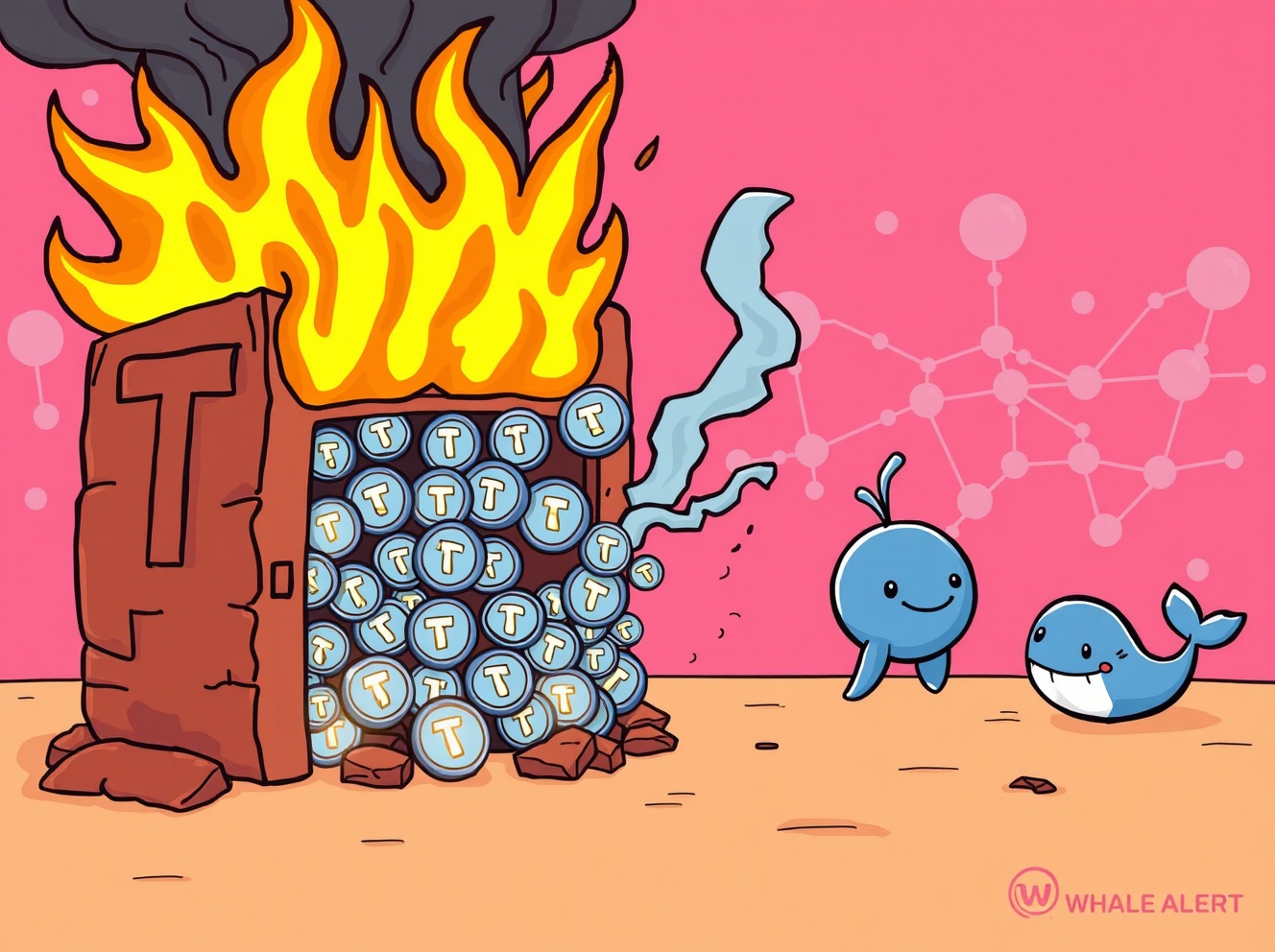
A recent announcement from Whale Alert has sent ripples through the cryptocurrency community: a staggering 2 billion USDT has been burned at the Tether Treasury. This significant event, where such a large volume of USDT burned from circulation, naturally sparks questions about its implications. What does it mean for the world’s largest stablecoin, and how does it affect the broader crypto market?

What Exactly Happens When USDT is Burned?

When we talk about tokens being ‘burned,’ it might sound dramatic, but it is a standard and often beneficial process in the crypto world. Essentially, burning a cryptocurrency means permanently removing a certain number of tokens from circulation. This is done by sending them to an inaccessible wallet address, often called a ‘burner’ address, where they can never be retrieved or spent again.

  • Permanent Removal: Once tokens are burned, they are gone forever.
  • Supply Reduction: Burning reduces the total circulating supply of a cryptocurrency.
  • Mechanism: Tether, through its Treasury, initiates these burns typically in response to user redemptions.

The recent report of 2 billion USDT burned signifies a substantial reduction in the token’s active supply.

Why Did Tether Burn 2 Billion USDT?

Tether’s primary reason for burning USDT tokens is to manage its circulating supply in response to market demand. When users redeem their USDT for fiat currency (like US dollars) directly from Tether, the company takes those USDT tokens out of circulation to maintain the 1:1 peg. This process ensures that the total supply of USDT accurately reflects the reserves held by Tether.

Think of it this way:

  • If many users decide to cash out their USDT, Tether receives those tokens back.
  • To prevent an oversupply of USDT that is not backed by reserves, Tether then burns the returned tokens.

This massive 2 billion USDT burned event indicates significant redemptions have taken place, showcasing Tether’s commitment to maintaining its peg and managing its reserves responsibly.

What Does This Massive USDT Burn Mean for the Market?

A significant USDT burned event like this has several implications for the crypto market and Tether’s ecosystem. Primarily, it signals healthy operational activity and reinforces the stablecoin’s mechanism for maintaining its value.

Here are some key takeaways:

  • Maintaining the Peg: Burning tokens helps Tether uphold its 1:1 peg with the US dollar by ensuring that only backed tokens are in circulation.
  • Market Confidence: Such actions can instill confidence among users, demonstrating that Tether actively manages its supply to match demand and redemptions.
  • Reduced Supply: With 2 billion USDT burned, the total circulating supply decreases, which can, in theory, contribute to the stability and scarcity of the remaining tokens.

While 2 billion USDT might seem like an enormous figure, it is crucial to remember that Tether often conducts these burns, and they are a vital part of its operational framework.

In conclusion, the report from Whale Alert regarding the 2 billion USDT burned at the Tether Treasury is not a cause for alarm but rather a demonstration of Tether’s ongoing efforts to manage its stablecoin supply effectively. It underscores the operational integrity of the stablecoin, ensuring that its value remains stable and reliable for its users. This continuous adjustment of supply through burning is a fundamental aspect of how Tether maintains its crucial role in the cryptocurrency landscape.

Frequently Asked Questions (FAQs)

What is USDT?

USDT is a stablecoin issued by Tether, designed to maintain a 1:1 peg with the US dollar. It is widely used in the cryptocurrency market for trading, remittances, and as a stable store of value.

Why does Tether burn tokens?

Tether burns tokens primarily to reduce the circulating supply of USDT in response to user redemptions. When users convert their USDT back into fiat currency, Tether removes those tokens from circulation to ensure that every USDT in existence is backed by an equivalent amount of reserves.

Is burning USDT good or bad for the market?

Generally, burning USDT is considered a good and necessary process. It signifies that Tether is actively managing its supply to maintain its peg and ensures transparency and stability in the stablecoin’s operations. It is a sign of healthy market dynamics.

How does Whale Alert know about USDT burns?

Whale Alert is a blockchain tracking service that monitors large cryptocurrency transactions on various networks. Since token burns involve sending tokens to publicly known ‘burner’ addresses, Whale Alert can detect and report these significant movements.

What is the Tether Treasury?

The Tether Treasury is an address or a set of addresses controlled by Tether that holds the company’s own USDT tokens. These tokens are used for various operational purposes, including minting new USDT, burning existing USDT, and managing liquidity.

Did you find this explanation helpful? Share this article with your friends and fellow crypto enthusiasts to help them understand the significance of a massive USDT burned event!

To learn more about the latest crypto market trends, explore our article on key developments shaping stablecoin price action.

This post Shocking 2 Billion USDT Burn: Unpacking Tether’s Treasury Move first appeared on BitcoinWorld.


Market Opportunity
Brainedge Logo
Brainedge Price(LEARN)
$0.0087
$0.0087$0.0087
-2.13%
USD
Brainedge (LEARN) Live Price Chart
Disclaimer: The articles reposted on this site are sourced from public platforms and are provided for informational purposes only. They do not necessarily reflect the views of MEXC. All rights remain with the original authors. If you believe any content infringes on third-party rights, please contact service@support.mexc.com for removal. MEXC makes no guarantees regarding the accuracy, completeness, or timeliness of the content and is not responsible for any actions taken based on the information provided. The content does not constitute financial, legal, or other professional advice, nor should it be considered a recommendation or endorsement by MEXC.

You May Also Like

Fed forecasts only one rate cut in 2026, a more conservative outlook than expected

Fed forecasts only one rate cut in 2026, a more conservative outlook than expected

The post Fed forecasts only one rate cut in 2026, a more conservative outlook than expected appeared on BitcoinEthereumNews.com. Federal Reserve Chairman Jerome Powell talks to reporters following the regular Federal Open Market Committee meetings at the Fed on July 30, 2025 in Washington, DC. Chip Somodevilla | Getty Images The Federal Reserve is projecting only one rate cut in 2026, fewer than expected, according to its median projection. The central bank’s so-called dot plot, which shows 19 individual members’ expectations anonymously, indicated a median estimate of 3.4% for the federal funds rate at the end of 2026. That compares to a median estimate of 3.6% for the end of this year following two expected cuts on top of Wednesday’s reduction. A single quarter-point reduction next year is significantly more conservative than current market pricing. Traders are currently pricing in at two to three more rate cuts next year, according to the CME Group’s FedWatch tool, updated shortly after the decision. The gauge uses prices on 30-day fed funds futures contracts to determine market-implied odds for rate moves. Here are the Fed’s latest targets from 19 FOMC members, both voters and nonvoters: Zoom In IconArrows pointing outwards The forecasts, however, showed a large difference of opinion with two voting members seeing as many as four cuts. Three officials penciled in three rate reductions next year. “Next year’s dot plot is a mosaic of different perspectives and is an accurate reflection of a confusing economic outlook, muddied by labor supply shifts, data measurement concerns, and government policy upheaval and uncertainty,” said Seema Shah, chief global strategist at Principal Asset Management. The central bank has two policy meetings left for the year, one in October and one in December. Economic projections from the Fed saw slightly faster economic growth in 2026 than was projected in June, while the outlook for inflation was updated modestly higher for next year. There’s a lot of uncertainty…
Share
BitcoinEthereumNews2025/09/18 02:59
While Ethereum and Hedera Hold Steady, ZKP Crypto Shakes the Market with a $1.7B Raise in Motion

While Ethereum and Hedera Hold Steady, ZKP Crypto Shakes the Market with a $1.7B Raise in Motion

Learn how Hedera and Ethereum are shaping up, and why analysts say ZKP crypto’s $1.7B auction makes it the best crypto to buy before demand overtakes supply.
Share
coinlineup2026/01/21 12:00
Massachusetts Can Ban Kalshi Sports Markets for Now, Judge Rules

Massachusetts Can Ban Kalshi Sports Markets for Now, Judge Rules

The post Massachusetts Can Ban Kalshi Sports Markets for Now, Judge Rules appeared on BitcoinEthereumNews.com. In brief A Massachusetts judge allowed state regulators
Share
BitcoinEthereumNews2026/01/21 12:23