Trump’s Critical Warning: US Engages Iran’s New Regime in High-Stakes Talks, Threatens Strikes if Diplomacy Fails
BitcoinWorld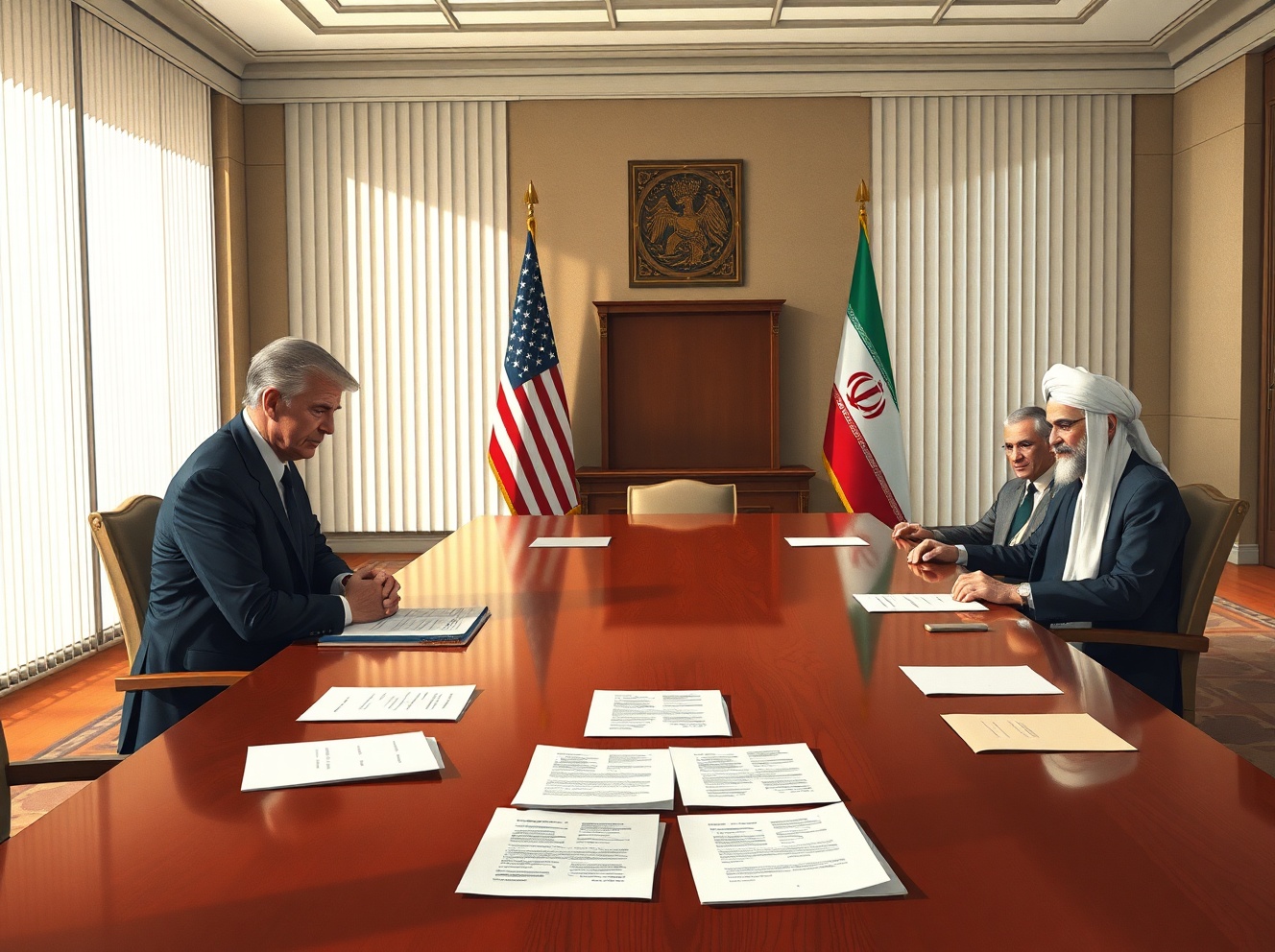
Trump’s Critical Warning: US Engages Iran’s New Regime in High-Stakes Talks, Threatens Strikes if Diplomacy Fails
WASHINGTON, D.C. — March 15, 2025 — Former President Donald Trump has revealed that the United States is currently engaged in sensitive diplomatic talks with Iran’s new political leadership, while simultaneously issuing a stark warning about potential military action should these negotiations collapse. This development marks a significant shift in Middle Eastern geopolitics, coming just months after Iran’s unexpected regime change and subsequent political realignment.
Trump’s Diplomatic Warning to Iran’s New Regime
During a recent policy address, Trump confirmed that American diplomats have initiated direct communications with representatives of Iran’s new government. The former president emphasized the delicate nature of these discussions, which reportedly focus on nuclear non-proliferation, regional security arrangements, and economic sanctions relief. However, Trump delivered a clear ultimatum alongside this diplomatic outreach. He stated that the United States would consider military strikes against Iranian nuclear facilities if negotiations fail to produce verifiable security guarantees.
This dual approach—combining diplomatic engagement with explicit military threats—represents a continuation of Trump’s signature foreign policy style. Experts note that the strategy aims to create maximum leverage while keeping all options on the table. The timing of these revelations coincides with increased international scrutiny of Iran’s nuclear program and growing concerns about regional stability.
Background: Iran’s Political Transformation
Iran’s political landscape underwent dramatic changes following the 2024 elections and subsequent governmental restructuring. The new regime, while maintaining Iran’s Islamic Republic framework, has implemented significant personnel changes in key diplomatic and security positions. These developments have created both opportunities and challenges for international negotiators.
Key Changes in Iranian Leadership
The transition brought several notable shifts in Iran’s approach to foreign relations:
- New Nuclear Negotiation Team: Appointed officials with different diplomatic backgrounds
- Revised Economic Priorities: Greater emphasis on sanctions relief and international investment
- Regional Policy Adjustments: Modified approaches to proxy relationships in neighboring countries
- Communication Channels: Established new backchannel diplomatic contacts
These changes have prompted Western governments to reassess their Iran strategies. The United States, in particular, faces complex decisions about how to engage with a regime that combines familiar ideological foundations with new personnel and potentially different tactical approaches.
Strategic Implications for Middle East Stability
The ongoing negotiations carry profound implications for regional security architecture. Several critical factors shape the current diplomatic landscape:
| Factor | Current Status | Potential Impact |
|---|---|---|
| Nuclear Program Progress | Advanced enrichment capabilities | Reduced breakout timeline |
| Regional Proxy Networks | Active across multiple theaters | Escalation risks during negotiations |
| International Sanctions | Comprehensive economic restrictions | Leverage for diplomatic concessions |
| Great Power Competition | Russia and China engagement | Multipolar negotiation dynamics |
Regional analysts emphasize that successful negotiations could potentially reshape Middle Eastern security arrangements. Conversely, diplomatic failure might trigger renewed tensions and possible military confrontations. The situation remains fluid, with multiple regional actors closely monitoring developments.
Historical Context of US-Iran Relations
Current negotiations occur against a backdrop of decades-long tension between Washington and Tehran. Several key historical moments inform the present diplomatic calculus:
- 1953 Coup: US involvement in overthrowing Prime Minister Mossadegh
- 1979 Revolution: Hostage crisis and subsequent diplomatic rupture
- Nuclear Agreements: 2015 JCPOA and subsequent US withdrawal
- Recent Conflicts: 2020 assassination of General Soleimani and retaliatory strikes
This complex history creates both obstacles and potential pathways for current negotiations. Each side brings deeply ingrained suspicions and specific historical grievances to the bargaining table. Successful diplomacy requires navigating these historical minefields while addressing contemporary security concerns.
Military Considerations and Strategic Posture
Trump’s warning about potential military strikes reflects ongoing Pentagon planning for various Iranian scenarios. Defense analysts identify several critical military factors:
First, Iranian air defense capabilities have significantly improved in recent years. Second, the geographical dispersion of nuclear facilities complicates potential strike planning. Third, Iranian retaliatory options include asymmetric responses through regional proxies. Fourth, international legal considerations constrain unilateral military action.
Military experts generally agree that while the United States possesses overwhelming conventional superiority, any military action against Iran would carry substantial risks and uncertain outcomes. The potential for regional escalation remains a primary concern for defense planners and diplomatic officials alike.
International Reaction and Diplomatic Coordination
Global responses to the announced negotiations have varied significantly among key international actors:
European Union Position
European diplomats have expressed cautious optimism about renewed US engagement while emphasizing the importance of multilateral frameworks. EU officials stress the need for comprehensive verification mechanisms and regional confidence-building measures.
Regional Power Perspectives
Middle Eastern nations have reacted with mixed responses. Some Gulf states welcome strong US posture, while others express concerns about potential regional destabilization. Israel maintains its longstanding position regarding Iranian nuclear capabilities.
Great Power Dynamics
Russia and China continue their diplomatic engagement with Iran while monitoring US initiatives. Both powers emphasize the importance of respecting Iranian sovereignty and international legal norms.
Economic Dimensions and Sanctions Framework
The economic aspect of negotiations remains crucial for several reasons. First, comprehensive sanctions have significantly impacted Iran’s economy. Second, potential sanctions relief could provide substantial economic benefits. Third, economic cooperation might serve as confidence-building measures. Fourth, verification mechanisms require economic transparency.
International financial institutions monitor these developments closely, as any agreement would have implications for global energy markets and regional economic integration. The complex interplay between security concerns and economic interests creates both challenges and opportunities for negotiators.
Conclusion
The Trump administration’s dual-track approach to Iran—combining diplomatic engagement with explicit military warnings—represents a high-stakes gamble in Middle Eastern geopolitics. These US-Iran negotiations unfold during a period of significant political transition in Tehran, creating both uncertainties and potential opportunities. The outcome will likely influence regional security architecture for years to come, affecting everything from nuclear non-proliferation efforts to broader great power competition. As talks continue behind closed doors, the international community watches closely, aware that diplomatic success or failure could reshape the strategic landscape of one of the world’s most volatile regions.
FAQs
Q1: What specific conditions has Trump set for successful negotiations with Iran?
The former president emphasized verifiable limitations on Iran’s nuclear program, cessation of support for regional militant groups, and acceptance of more robust inspection regimes as key requirements for diplomatic success.
Q2: How does Iran’s new regime differ from previous leadership?
While maintaining Iran’s Islamic Republic framework, the new government features different personnel in key diplomatic and security positions, potentially indicating modified approaches to international relations and economic priorities.
Q3: What military capabilities would the US likely employ if strikes become necessary?
Military analysts suggest potential options including precision airstrikes against nuclear facilities, cyber operations against Iranian infrastructure, and naval deployments to secure strategic waterways, though specific plans remain classified.
Q4: How are regional allies responding to these developments?
Responses vary among Middle Eastern nations, with some Gulf states expressing support for strong US posture while others voice concerns about potential escalation and regional destabilization.
Q5: What timeline are negotiators working with for these talks?
While no official timeline has been announced, diplomatic sources suggest both sides recognize the urgency created by Iran’s advancing nuclear capabilities and regional security dynamics.
This post Trump’s Critical Warning: US Engages Iran’s New Regime in High-Stakes Talks, Threatens Strikes if Diplomacy Fails first appeared on BitcoinWorld.
You May Also Like

Trump Brothers’ American Bitcoin Hits BTC Milestone as Stock Falls to Lowest Price Since IPO

What the Ethereum Economic Zone (EEZ) Means for ETH’s Future