

Belarusians can now shop with crypto on Russia’s leading e-commerce platform, Wildberries
Belarusians can now shop on Russia’s leading e-commerce platform, Wildberries, using cryptocurrencies like Bitcoin, Ethereum and Tether.
The feature meets legal requirements for such transactions in Belarus, which is updating its regulations in order to facilitate crypto payments for its citizens.
Wildberries accepts cryptocurrencies in Belarus
Russian online retail giant Wildberries is piloting cryptocurrency payments for its Belarusian customers, media reports revealed this week.
The popular platform’s Belarusian website allows users to pay for their orders using electronic certificates which can be bought with a number of major coins.
These are purchased through Whitebird, the first licensed crypto trading venue in Belarus, which is Wildberries’ partner in the trial project.
Founded in 2020, Whitebird is a resident of the Belarus Hi Tech Park (HTP), a hub providing a special legal regime and tax benefits for IT companies and digital asset businesses, and it is authorized to conduct crypto-fiat exchange.
The certificates are denominated in Belarusian rubles and can only be used to pay for items offered by the Russian marketplace.
The feature is currently active in test mode for a pilot group of customers using the Wildberries site and app for iOS and Android, Minskaya Pravda unveiled on Monday. The newspaper noted that the service will gradually be made available to all users.
Crypto payments facilitated by conversion to Belarusian fiat
Users can buy the e-certificates in advance or during the Wildberries checkout. Registration with Whitebird is required, too, in order to top up balances.
Shoppers will be redirected to the exchange’s website, where they can select the cryptocurrency they want to use and the amount they would like to spend.
Conversion rates are updated and displayed to the end user in real time, and no commission will be charged for obtaining the certificates.
As soon as a buyer completes the process, a ruble certificate is issued and its amount credited by Whitebird to their Wildberries account.
The payment option supports a list of popular cryptocurrencies, including Bitcoin (BTC), Ethereum (ETH), and the U.S. dollar-pegged stablecoin Tether (USDT), among others.
Security of payments will be a priority
The two companies have made it clear they are putting an emphasis on ensuring the security of transactions. Only users verified by Whitebird will be able to buy the electronic certificates.
The exchange conducts constant anti-money laundering (AML) monitoring, undergoes annual audits by independent firms, and complies with Belarusian AML regulations.
Once loaded to a certificate, the funds cannot be withdrawn to a bank card and can be used exclusively to order from Wildberries.
The latter was launched in 2004 and has since become a popular online shop for clothing, cosmetics, household items, electronics, books, and many other product categories, in Russia as well as in a number of other former Soviet states, from Armenia to Tajikistan.
It was founded by Tatyana Kim while she was looking after her first child with Russian entrepreneur Vladislav Bakalchuk. Kim is considered Russia’s first self-made billionaire woman, with Forbes estimating her net worth at $7.4 billion in 2024.
The crypto option is her company’s first project related to digital assets. The Belarusian daily commented that it will help develop fintech services and payment innovations in the country, while promoting financial inclusion.
Belarus legalized crypto business for HTP residents in 2018 with a presidential decree issued the previous year by the country’s long-term leader, Alexander Lukashenko.
Cryptocurrency payments in neighboring Russia, of which Belarus is a close ally, are strictly prohibited, aside from a special regime, allowing Russian firms to use coins to evade sanctions in foreign trade.
The Belarusian president recently urged relevant authorities to step up efforts to update the nation’s regulatory framework and catch up with its rapidly developing crypto industry.
Crypto payments made by Belarusian citizens are expected to reach $3 billion by the end of 2025, as reported by Cryptopolitan, after already hitting a record high in the first seven months of the year.
The smartest crypto minds already read our newsletter. Want in? Join them.
You May Also Like

The Stunning ASEAN Winner Emerges As Manufacturing Shifts Accelerate
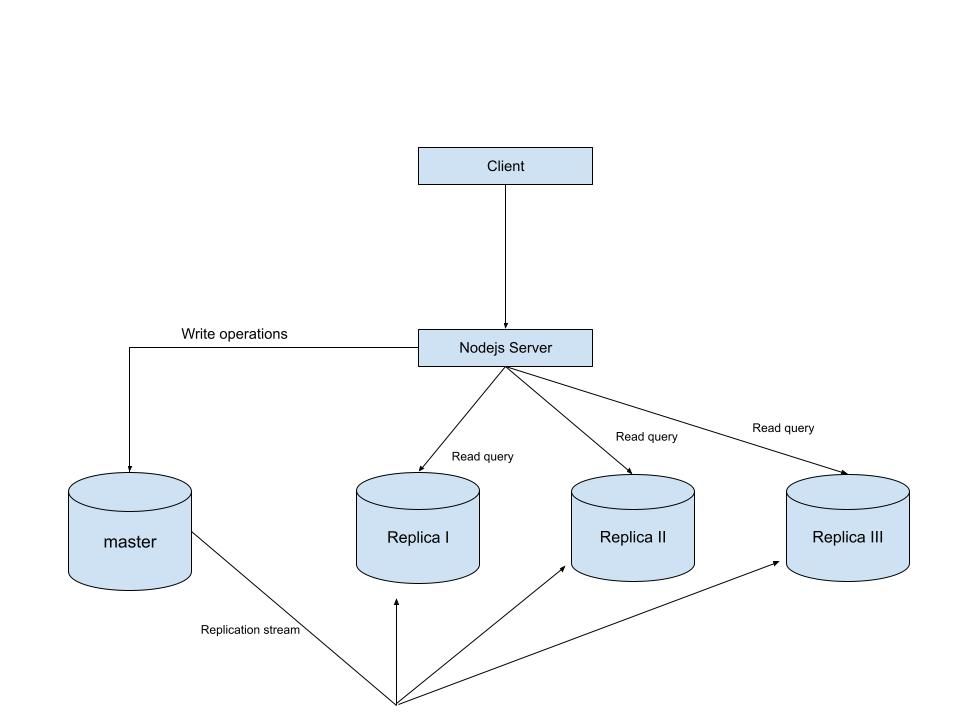
MySQL Single Leader Replication with Node.js and Docker
command: --server-id=1 --log-bin=ON The --server-id option gives each MySQL server in your replication setup its own name tag. Each one has to be unique and without it, replication won’t work at all. Another cool option not included here is binlog_format=ROW. This tells MySQL how to keep track of changes before passing them along to the replicas. By default, MySQL already uses row-based replication, but you can explicitly set it to ROW to be sure or switch it to STATEMENT if you’d rather log the actual SQL statements instead of row-by-row changes. \ Run our containers on docker Now, in the terminal, we can run the following command to spin up our database containers: docker-compose up -d \ Setting Up Our Master (Primary) Server To configure our master server, we would have to first access the running instance on docker using the following command docker exec -it mysql-master bash This command opens an interactive Bash shell inside the running Docker container named mysql-master, allowing us to run commands directly inside that container. \ Now that we’re inside the container, we can access the MySQL server and start running commands. type: mysql -uroot -p This will log you into MySQL as the root user. You’ll be prompted to enter the password you set in your docker-compose.yml file. \ Next, we need to create a special user that our replicas will use to connect to the master server and pull data. Inside the MySQL prompt, run the following commands: \ CREATE USER 'repl_user'@'%' IDENTIFIED BY 'replication_pass'; GRANT REPLICATION SLAVE ON . TO 'repl_user'@'%'; FLUSH PRIVILEGES; Here’s what’s happening: CREATE USER makes a new MySQL user called repl_user with the password replication_pass. GRANT REPLICATION SLAVE gives this user permission to act as a replication client. FLUSH PRIVILEGES tells MySQL to reload the user permissions so they take effect immediately. \ Time to Configure the Replica (Secondary) Servers a. First, let’s access the replica containers the same way we did with the master. Run this command in your terminal for each of the replica containers: \ docker exec -it <replica_container_name> bash mysql -uroot -p <replica_container_name> should be replace with the name of the replica container you are trying to setup b. Now it’s time to tell our replica where to get its data from. While inside the replica’s MySQL shell, run the following command to configure replication using the master’s details: CHANGE REPLICATION SOURCE TO SOURCE_HOST='mysql-master', SOURCE_USER='repl_user', SOURCE_PASSWORD='replication_pass', GET_SOURCE_PUBLIC_KEY=1; With the replication settings in place, let’s fire up the replica and get it syncing with the master. Still inside the MySQL shell on the replica, run: START REPLICA; This starts the replication process. To make sure everything is working, check the replica’s status with:
SHOW REPLICA STATUS\G; Look for Replica_IO_Running and Replica_SQL_Running — if both say Yes, congratulations! 🎉 Your replica is now successfully connected to the master and replicating data in real time.
Testing Our Replication Setup from the Node.js App Now that our replication is successfully set up, we can configure our Node.js server to observe the real-time effect of data being replicated from the master server to the replica server whenever we write to it. We start by installing the following dependencies:
npm i express mysql2 sequelize \ Now create a folder called src in the root directory and add the following files inside that folder connection.js, index.js and model.js. Our current directory should look like this We can now set up our connections to our master and replica server in the connection.js file as shown below
const Sequelize = require("sequelize"); const sequelize = new Sequelize({ dialect: "mysql", replication: { write: { host: "127.0.0.1", username: "root", password: "master", database: "replicaDb", }, read: [ { host: "127.0.0.1", username: "root", password: "slave", database: "replicaDb", port: 3307 }, { host: "127.0.0.1", username: "root", password: "slave", database: "replicaDb", port: 3308 }, { host: "127.0.0.1", username: "root", password: "slave", database: "replicaDb", port: 3309 }, ], }, }); async function connectdb() { try { await sequelize.authenticate(); } catch (error) { console.error("❌ unable to connect to the follower database", error); } } connectdb(); module.exports = { sequelize, }; \ We can now create a User table in the model.js file
const {DataTypes} = require("sequelize"); const { sequelize } = require("./connection"); const User = sequelize.define("User", { name: { type: DataTypes.STRING, allowNull: false, }, email: { type: DataTypes.STRING, unique: true, allowNull: false, }, }); module.exports = User \ and finally in our index.js file we can start our server and listen for connections on port 3000. from the code sample below, all inserts or updates will be routed by sequelize to the master server. while all read queries will be routed to the read replicas.
const express = require("express"); const { sequelize } = require("./connection"); const User = require("./model"); const app = express(); app.use(express.json()); async function main() { await sequelize.sync({ alter: true }); app.get("/", (req, res) => { res.status(200).json({ message: "first step to setting server up", }); }); app.post("/user", async (req, res) => { const { email, name } = req.body; let newUser = await User.build({ name, email, }); // This INSERT will go to the write (master) connection newUser = newUser.save({ returning: false }); res.status(201).json({ message: "User successfully created", }); }); app.get("/user", async (req, res) => { // This SELECT query will go to one of the read replicas const users = await User.findAll(); res.status(200).json(users); }); app.listen(3000, () => { console.log("server has connected"); }); } main(); When you make a POST request to the /users endpoint, take a moment to check both the master and replica servers to observe how data is replicated in real time. Right now, we are relying on Sequelize to automatically route requests, which works for development but isn’t robust enough for a production environment. In particular, if the master node goes down, Sequelize cannot automatically redirect requests to a newly elected leader. In the next part of this series, we’ll explore strategies to handle these challenges
