BitcoinWorld Bitcoin Alternative: Ray Dalio Unveils BTC as a Crucial Hedge Against Dollar Instability Ray Dalio, the renowned American hedge fund titan, recently sparked conversations across financial markets with his bold declaration on X: Bitcoin, a compelling Bitcoin alternative, could be a crucial hedge against a potentially unstable US dollar. This isn’t just a casual observation; it’s a strategic insight from a seasoned investor who has navigated decades of economic shifts, offering a fresh perspective on digital assets. Why is Ray Dalio Championing Bitcoin as a Crucial Bitcoin Alternative? Dalio’s view stems from a fundamental concern about the U.S. dollar’s future. He points out that if the supply of the U.S. dollar continues to increase, or if its global demand begins to fall, the currency’s stability as a store of value could be significantly compromised. In such a scenario, a limited-supply asset like Bitcoin naturally emerges as an attractive option. Limited Supply: Unlike fiat currencies, Bitcoin has a capped supply, making it deflationary by design. Dollar Vulnerability: An increasing dollar supply or decreasing demand directly impacts its purchasing power. Historical Parallels: Dalio draws strong comparisons to the economic conditions of the 1930s and 1970s, periods when heavily indebted fiat currencies struggled immensely as reliable stores of value. Moreover, he suggests that most heavily indebted fiat currencies are likely to face similar struggles. This historical perspective lends significant weight to his argument for exploring a robust Bitcoin alternative. Navigating Fiat Instability: The Rise of the Bitcoin Alternative The core of Dalio’s argument rests on the inherent weaknesses of fiat money when governments accumulate substantial debt. In his analysis, when a nation’s debt becomes too large, central banks often resort to printing more money, which dilutes the currency’s value. This inflationary pressure erodes the purchasing power of traditional assets and savings. Therefore, investors seek safe havens, and a decentralized, limited-supply asset like Bitcoin fits this role perfectly. It offers an escape from the potential pitfalls of government-controlled monetary policy, presenting a compelling Bitcoin alternative. Beyond Bitcoin: Dalio’s View on Stablecoins and Portfolio Strategy for a Bitcoin Alternative Dalio also extended his commentary to stablecoins, offering a nuanced perspective. While he doesn’t believe their holdings of U.S. Treasurys will create systemic risk for the broader financial system, he cautions about the real purchasing power of these underlying bonds. If the dollar’s value declines, so too could the effective value of stablecoin reserves. However, he adds a crucial caveat: this issue could be mitigated if stablecoins are well-regulated. Effective regulation could ensure transparency and stability, enhancing their role within the broader digital asset ecosystem. This consideration is vital for anyone exploring digital assets, including a Bitcoin alternative. In late July, Dalio provided an actionable insight for investors concerned about macroeconomic risks. He recommended allocating at least 15% of a portfolio to a combination of gold and Bitcoin. This strategy aims to hedge against the very economic uncertainties he frequently highlights, underscoring the growing importance of a reliable Bitcoin alternative in modern investment portfolios. The Bottom Line: A Call for Diversification Ray Dalio’s recent comments serve as a powerful reminder for investors to critically assess the stability of traditional currencies and explore diversification strategies. His endorsement of Bitcoin, not as a speculative asset but as a legitimate Bitcoin alternative and a hedge against macroeconomic instability, signals a significant shift in institutional thinking. As global economic landscapes continue to evolve, understanding the potential role of digital assets like Bitcoin in safeguarding wealth becomes increasingly important. Frequently Asked Questions (FAQs) 1. Who is Ray Dalio? Ray Dalio is an American billionaire investor and hedge fund manager, best known as the founder of Bridgewater Associates, one of the world’s largest hedge funds. 2. Why does Dalio see Bitcoin as a Bitcoin alternative? He views Bitcoin as an attractive alternative due to its limited supply, especially when compared to fiat currencies like the U.S. dollar, which can see their supply increase or demand fall, potentially leading to instability. 3. What are Dalio’s concerns about the US dollar? Dalio is concerned that an increasing supply of the U.S. dollar or a decrease in its demand could weaken its stability and purchasing power, drawing parallels to past economic struggles of heavily indebted fiat currencies. 4. Does Dalio recommend investing in Bitcoin? Yes, he has recommended allocating at least 15% of a portfolio to gold and Bitcoin to hedge against macroeconomic risks, indicating his belief in their role as a store of value. 5. What is the role of stablecoins in this context? Dalio believes stablecoin holdings of U.S. Treasurys won’t create systemic risk but notes that the real purchasing power of these bonds could decline. He suggests that proper regulation could help avoid this issue. Did you find Ray Dalio’s insights on Bitcoin and the U.S. dollar compelling? Share this article with your friends and fellow investors to spark a conversation about the future of finance and the role of a reliable Bitcoin alternative! To learn more about the latest crypto market trends, explore our article on key developments shaping Bitcoin institutional adoption. This post Bitcoin Alternative: Ray Dalio Unveils BTC as a Crucial Hedge Against Dollar Instability first appeared on BitcoinWorld and is written by Editorial TeamBitcoinWorld Bitcoin Alternative: Ray Dalio Unveils BTC as a Crucial Hedge Against Dollar Instability Ray Dalio, the renowned American hedge fund titan, recently sparked conversations across financial markets with his bold declaration on X: Bitcoin, a compelling Bitcoin alternative, could be a crucial hedge against a potentially unstable US dollar. This isn’t just a casual observation; it’s a strategic insight from a seasoned investor who has navigated decades of economic shifts, offering a fresh perspective on digital assets. Why is Ray Dalio Championing Bitcoin as a Crucial Bitcoin Alternative? Dalio’s view stems from a fundamental concern about the U.S. dollar’s future. He points out that if the supply of the U.S. dollar continues to increase, or if its global demand begins to fall, the currency’s stability as a store of value could be significantly compromised. In such a scenario, a limited-supply asset like Bitcoin naturally emerges as an attractive option. Limited Supply: Unlike fiat currencies, Bitcoin has a capped supply, making it deflationary by design. Dollar Vulnerability: An increasing dollar supply or decreasing demand directly impacts its purchasing power. Historical Parallels: Dalio draws strong comparisons to the economic conditions of the 1930s and 1970s, periods when heavily indebted fiat currencies struggled immensely as reliable stores of value. Moreover, he suggests that most heavily indebted fiat currencies are likely to face similar struggles. This historical perspective lends significant weight to his argument for exploring a robust Bitcoin alternative. Navigating Fiat Instability: The Rise of the Bitcoin Alternative The core of Dalio’s argument rests on the inherent weaknesses of fiat money when governments accumulate substantial debt. In his analysis, when a nation’s debt becomes too large, central banks often resort to printing more money, which dilutes the currency’s value. This inflationary pressure erodes the purchasing power of traditional assets and savings. Therefore, investors seek safe havens, and a decentralized, limited-supply asset like Bitcoin fits this role perfectly. It offers an escape from the potential pitfalls of government-controlled monetary policy, presenting a compelling Bitcoin alternative. Beyond Bitcoin: Dalio’s View on Stablecoins and Portfolio Strategy for a Bitcoin Alternative Dalio also extended his commentary to stablecoins, offering a nuanced perspective. While he doesn’t believe their holdings of U.S. Treasurys will create systemic risk for the broader financial system, he cautions about the real purchasing power of these underlying bonds. If the dollar’s value declines, so too could the effective value of stablecoin reserves. However, he adds a crucial caveat: this issue could be mitigated if stablecoins are well-regulated. Effective regulation could ensure transparency and stability, enhancing their role within the broader digital asset ecosystem. This consideration is vital for anyone exploring digital assets, including a Bitcoin alternative. In late July, Dalio provided an actionable insight for investors concerned about macroeconomic risks. He recommended allocating at least 15% of a portfolio to a combination of gold and Bitcoin. This strategy aims to hedge against the very economic uncertainties he frequently highlights, underscoring the growing importance of a reliable Bitcoin alternative in modern investment portfolios. The Bottom Line: A Call for Diversification Ray Dalio’s recent comments serve as a powerful reminder for investors to critically assess the stability of traditional currencies and explore diversification strategies. His endorsement of Bitcoin, not as a speculative asset but as a legitimate Bitcoin alternative and a hedge against macroeconomic instability, signals a significant shift in institutional thinking. As global economic landscapes continue to evolve, understanding the potential role of digital assets like Bitcoin in safeguarding wealth becomes increasingly important. Frequently Asked Questions (FAQs) 1. Who is Ray Dalio? Ray Dalio is an American billionaire investor and hedge fund manager, best known as the founder of Bridgewater Associates, one of the world’s largest hedge funds. 2. Why does Dalio see Bitcoin as a Bitcoin alternative? He views Bitcoin as an attractive alternative due to its limited supply, especially when compared to fiat currencies like the U.S. dollar, which can see their supply increase or demand fall, potentially leading to instability. 3. What are Dalio’s concerns about the US dollar? Dalio is concerned that an increasing supply of the U.S. dollar or a decrease in its demand could weaken its stability and purchasing power, drawing parallels to past economic struggles of heavily indebted fiat currencies. 4. Does Dalio recommend investing in Bitcoin? Yes, he has recommended allocating at least 15% of a portfolio to gold and Bitcoin to hedge against macroeconomic risks, indicating his belief in their role as a store of value. 5. What is the role of stablecoins in this context? Dalio believes stablecoin holdings of U.S. Treasurys won’t create systemic risk but notes that the real purchasing power of these bonds could decline. He suggests that proper regulation could help avoid this issue. Did you find Ray Dalio’s insights on Bitcoin and the U.S. dollar compelling? Share this article with your friends and fellow investors to spark a conversation about the future of finance and the role of a reliable Bitcoin alternative! To learn more about the latest crypto market trends, explore our article on key developments shaping Bitcoin institutional adoption. This post Bitcoin Alternative: Ray Dalio Unveils BTC as a Crucial Hedge Against Dollar Instability first appeared on BitcoinWorld and is written by Editorial Team

Bitcoin Alternative: Ray Dalio Unveils BTC as a Crucial Hedge Against Dollar Instability

2025/09/03 11:10
5 min read

BitcoinWorld

Bitcoin Alternative: Ray Dalio Unveils BTC as a Crucial Hedge Against Dollar Instability

Ray Dalio, the renowned American hedge fund titan, recently sparked conversations across financial markets with his bold declaration on X: Bitcoin, a compelling Bitcoin alternative, could be a crucial hedge against a potentially unstable US dollar. This isn’t just a casual observation; it’s a strategic insight from a seasoned investor who has navigated decades of economic shifts, offering a fresh perspective on digital assets.

Why is Ray Dalio Championing Bitcoin as a Crucial Bitcoin Alternative?

Dalio’s view stems from a fundamental concern about the U.S. dollar’s future. He points out that if the supply of the U.S. dollar continues to increase, or if its global demand begins to fall, the currency’s stability as a store of value could be significantly compromised. In such a scenario, a limited-supply asset like Bitcoin naturally emerges as an attractive option.

  • Limited Supply: Unlike fiat currencies, Bitcoin has a capped supply, making it deflationary by design.
  • Dollar Vulnerability: An increasing dollar supply or decreasing demand directly impacts its purchasing power.
  • Historical Parallels: Dalio draws strong comparisons to the economic conditions of the 1930s and 1970s, periods when heavily indebted fiat currencies struggled immensely as reliable stores of value.

Moreover, he suggests that most heavily indebted fiat currencies are likely to face similar struggles. This historical perspective lends significant weight to his argument for exploring a robust Bitcoin alternative.

The core of Dalio’s argument rests on the inherent weaknesses of fiat money when governments accumulate substantial debt. In his analysis, when a nation’s debt becomes too large, central banks often resort to printing more money, which dilutes the currency’s value.

This inflationary pressure erodes the purchasing power of traditional assets and savings. Therefore, investors seek safe havens, and a decentralized, limited-supply asset like Bitcoin fits this role perfectly. It offers an escape from the potential pitfalls of government-controlled monetary policy, presenting a compelling Bitcoin alternative.

Beyond Bitcoin: Dalio’s View on Stablecoins and Portfolio Strategy for a Bitcoin Alternative

Dalio also extended his commentary to stablecoins, offering a nuanced perspective. While he doesn’t believe their holdings of U.S. Treasurys will create systemic risk for the broader financial system, he cautions about the real purchasing power of these underlying bonds. If the dollar’s value declines, so too could the effective value of stablecoin reserves.

However, he adds a crucial caveat: this issue could be mitigated if stablecoins are well-regulated. Effective regulation could ensure transparency and stability, enhancing their role within the broader digital asset ecosystem. This consideration is vital for anyone exploring digital assets, including a Bitcoin alternative.

In late July, Dalio provided an actionable insight for investors concerned about macroeconomic risks. He recommended allocating at least 15% of a portfolio to a combination of gold and Bitcoin. This strategy aims to hedge against the very economic uncertainties he frequently highlights, underscoring the growing importance of a reliable Bitcoin alternative in modern investment portfolios.

The Bottom Line: A Call for Diversification

Ray Dalio’s recent comments serve as a powerful reminder for investors to critically assess the stability of traditional currencies and explore diversification strategies. His endorsement of Bitcoin, not as a speculative asset but as a legitimate Bitcoin alternative and a hedge against macroeconomic instability, signals a significant shift in institutional thinking. As global economic landscapes continue to evolve, understanding the potential role of digital assets like Bitcoin in safeguarding wealth becomes increasingly important.

Frequently Asked Questions (FAQs)

1. Who is Ray Dalio?
Ray Dalio is an American billionaire investor and hedge fund manager, best known as the founder of Bridgewater Associates, one of the world’s largest hedge funds.

2. Why does Dalio see Bitcoin as a Bitcoin alternative?
He views Bitcoin as an attractive alternative due to its limited supply, especially when compared to fiat currencies like the U.S. dollar, which can see their supply increase or demand fall, potentially leading to instability.

3. What are Dalio’s concerns about the US dollar?
Dalio is concerned that an increasing supply of the U.S. dollar or a decrease in its demand could weaken its stability and purchasing power, drawing parallels to past economic struggles of heavily indebted fiat currencies.

4. Does Dalio recommend investing in Bitcoin?
Yes, he has recommended allocating at least 15% of a portfolio to gold and Bitcoin to hedge against macroeconomic risks, indicating his belief in their role as a store of value.

5. What is the role of stablecoins in this context?
Dalio believes stablecoin holdings of U.S. Treasurys won’t create systemic risk but notes that the real purchasing power of these bonds could decline. He suggests that proper regulation could help avoid this issue.

Did you find Ray Dalio’s insights on Bitcoin and the U.S. dollar compelling? Share this article with your friends and fellow investors to spark a conversation about the future of finance and the role of a reliable Bitcoin alternative!

To learn more about the latest crypto market trends, explore our article on key developments shaping Bitcoin institutional adoption.

This post Bitcoin Alternative: Ray Dalio Unveils BTC as a Crucial Hedge Against Dollar Instability first appeared on BitcoinWorld and is written by Editorial Team

Market Opportunity
Threshold Logo
Threshold Price(T)
$0.006814
$0.006814$0.006814
-0.40%
USD
Threshold (T) Live Price Chart
Disclaimer: The articles reposted on this site are sourced from public platforms and are provided for informational purposes only. They do not necessarily reflect the views of MEXC. All rights remain with the original authors. If you believe any content infringes on third-party rights, please contact service@support.mexc.com for removal. MEXC makes no guarantees regarding the accuracy, completeness, or timeliness of the content and is not responsible for any actions taken based on the information provided. The content does not constitute financial, legal, or other professional advice, nor should it be considered a recommendation or endorsement by MEXC.

You May Also Like

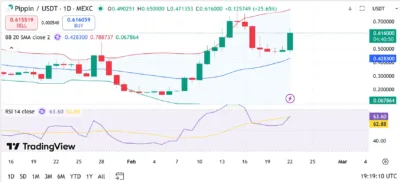
Pippin (PIPPIN) Price Prediction 2026–2030: Can PIPPIN Hit $0.70 Soon?
Pippin (PIPPIN) Price Prediction 2026–2030: Can PIPPIN Hit $0.70 Soon?

PIPPIN has surged sharply on the daily timeframe, printing a powerful bullish candle with over 25% gains. RSI is holding above 60, signaling strengthening momentum
Share
Coinstats2026/02/23 04:29
Will Cardano Reach $10 by 2030? Analysts Break Down ADA’s Growth Cycles

Will Cardano Reach $10 by 2030? Analysts Break Down ADA’s Growth Cycles

The post Will Cardano Reach $10 by 2030? Analysts Break Down ADA’s Growth Cycles appeared first on Coinpedia Fintech News Cardano (ADA) is trading at $0.9024 with a market cap of $32.91 billion. Experts say ADA has the potential to climb much higher, with some placing long-term targets as high as $10. The token continues to benefit from stronger visibility, rising liquidity, and increasing inflows from both institutional and retail markets. Can Cardano Hit $10 …
Share
CoinPedia2025/09/18 17:19
Crypto whale loses $6M to sneaky phishing scheme targeting staked Ethereum

Crypto whale loses $6M to sneaky phishing scheme targeting staked Ethereum

The post Crypto whale loses $6M to sneaky phishing scheme targeting staked Ethereum appeared on BitcoinEthereumNews.com. A crypto whale lost more than $6 million in staked Ethereum (stETH) and Aave-wrapped Bitcoin (aEthWBTC) after approving malicious signatures in a phishing scheme on Sept. 18, according to blockchain security firm Scam Sniffer. According to the firm, the attackers disguised their move as a routine wallet confirmation through “Permit” signatures, which tricked the victim into authorizing fund transfers without triggering obvious red flags. Yu Xian, founder of blockchain security company SlowMist, noted that the victim did not recognize the danger because the transaction required no gas fees. He wrote: “From the victim’s perspective, he just clicked a few times to confirm the wallet’s pop-up signature requests, didn’t spend a single penny of gas, and $6.28 million was gone.” How Permit exploits work Permit approvals were originally designed to simplify token transfers. Instead of submitting an on-chain approval and paying fees, a user can sign an off-chain message authorizing a spender. That efficiency, however, has created a new attack surface for malicious players. Once a user signs such a permit, attackers can combine two functions—Permit and TransferFrom—to drain assets directly. Because the authorization takes place off-chain, wallet dashboards show no unusual activity until the funds move. As a result, the assets are gone when the approval executes on-chain, and tokens are redirected to the attacker’s wallet. This loophole has made permit exploits increasingly attractive for malicious actors, who can siphon millions without needing complex hacks or high-cost gas wars. Phishing losses The latest theft highlights a wider trend of escalating phishing campaigns. Scam Sniffer reported that in August alone, attackers stole $12.17 million from more than 15,200 victims. That figure represented a 72% jump in losses compared with July. According to the firm, the most significant share of August’s damages came from three large accounts that accounted for nearly half…
Share
BitcoinEthereumNews2025/09/19 02:31