


What Are Candlestick Charts in XR1 Trading?
Candlestick charts originated in Japan during the 18th century when rice traders first used them to track market prices. These visual tools have since evolved into one of the most powerful methods for analyzing cryptocurrency price movements, especially for XR1 cryptocurrency traders seeking to identify optimal entry and exit points. Unlike simple line charts that only display closing prices, candlestick charts provide four key data points—open, high, low, and close—within each time period, making them exceptionally valuable for XR1 token trading where volatility can be extreme and rapid. Each candlestick encapsulates the story of a trading session, revealing not just price action but also the market sentiment driving those moves in the XR1 market.
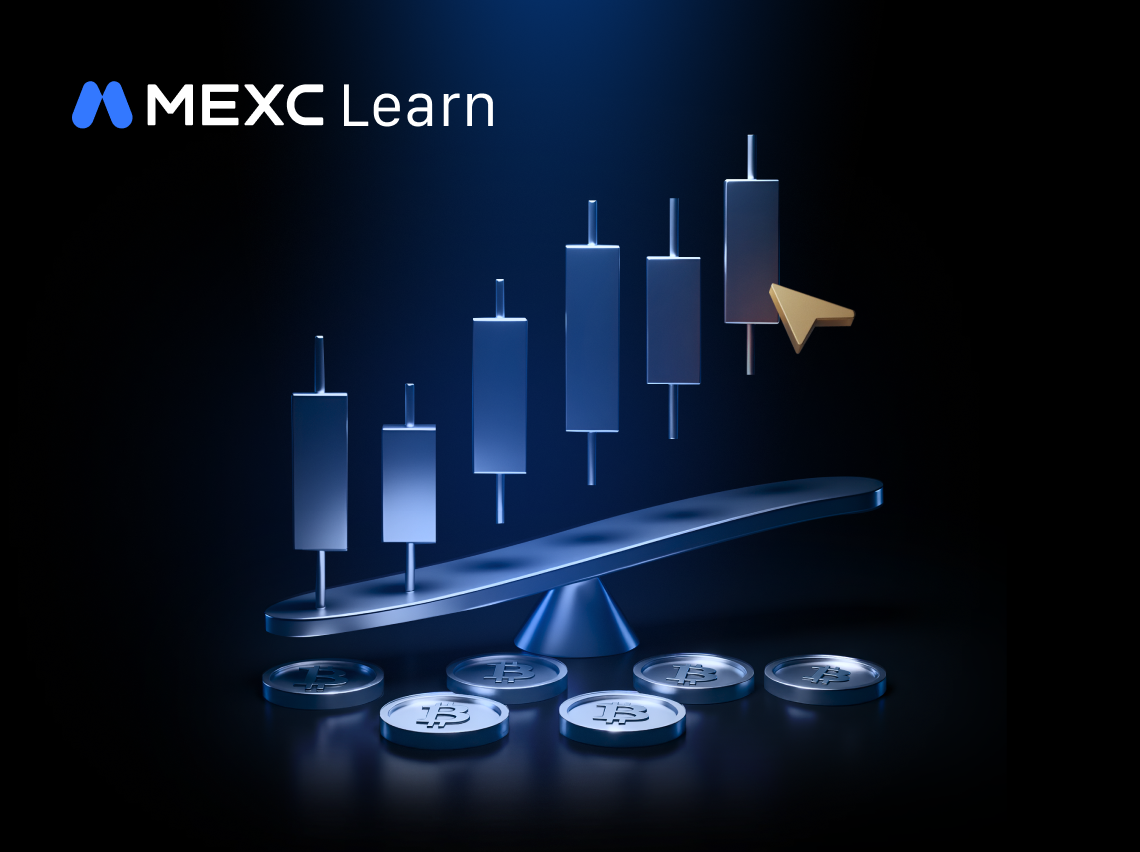
The anatomy of a candlestick consists of the real body (the rectangular section showing the difference between opening and closing prices) and the shadows or wicks (the thin lines extending above and below the body). On most XR1 trading platforms, green/white candlesticks indicate bullish movement (closing price higher than opening price), while red/black candlesticks signal bearish movement (closing price lower than opening price). This intuitive color-coding allows traders to quickly assess market direction and sentiment across multiple timeframes when analyzing XR1 price action.
Essential Candlestick Patterns for XR1 Market Analysis
- Single Candlestick Patterns: Doji, Hammer, Shooting Star
- Multi-Candlestick Patterns: Engulfing, Harami, Morning/Evening Star
- How These Patterns Signal Potential Market Movements in XR1
Single candlestick patterns provide immediate insights into market sentiment shifts and potential price reversals for XR1. The Doji pattern, characterized by almost identical opening and closing prices creating a cross-like appearance, signals market indecision and often precedes significant XR1 cryptocurrency price movements. The Hammer (small body, long lower shadow) during a downtrend suggests a potential bullish reversal in the XR1 market, while the Shooting Star (small body, long upper shadow) during an uptrend warns of a possible bearish reversal for XR1 token.
Multi-candlestick patterns capture market psychology over longer periods. The Bullish Engulfing pattern—where a larger green candle completely engulfs the previous red candle—suggests strong buying pressure that could reverse an XR1 downtrend. The Harami pattern (a small body within the previous candle's body) indicates diminishing momentum and possible trend exhaustion. The Morning Star (a three-candle pattern: large bearish, small body, strong bullish) often marks the end of a downtrend and is particularly effective in XR1 trading markets during major correction periods.
In the highly volatile XR1 cryptocurrency market, these patterns are especially significant due to the 24/7 trading environment and the influence of global events. XR1 traders have observed that candlestick patterns are more reliable during periods of high volume and when they appear at key support and resistance levels established by previous price action.
Strategic Time Frame Selection for XR1 Trading
- Short-term vs. Long-term Analysis Using Candlesticks
- How to Identify Trends Across Multiple Time Frames
- Time Frame Considerations Unique to 24/7 XR1 Markets
Selecting the right time frame is crucial for effective XR1 cryptocurrency candlestick analysis, as different intervals provide complementary perspectives on market movements. Day traders typically focus on shorter intervals (1-minute to 1-hour charts) to capture immediate volatility and micro-trends in XR1 price, while position traders prefer daily and weekly charts to identify major trend reversals and filter out short-term noise when trading XR1.
A powerful approach to XR1 market analysis is multi-timeframe analysis—examining patterns across at least three different time frames simultaneously. This helps confirm signals when the same pattern appears across multiple timeframes, increasing the reliability of trading decisions. For example, a bullish engulfing pattern on a daily chart carries more weight when supported by similar bullish patterns on 4-hour and weekly charts for XR1 token.
The XR1 cryptocurrency market's round-the-clock trading and absence of official market closes mean candlesticks are formed at arbitrary time points (e.g., midnight UTC), which can affect their reliability during low-volume periods. Experienced traders often pay special attention to weekly and monthly closings, as these are more psychologically significant to the broader XR1 market.
Enhancing Candlestick Analysis with Technical Indicators
- Combining Moving Averages with Candlestick Patterns
- Using Volume and Momentum Indicators for Confirmation
- Building an Integrated Technical Analysis Framework for XR1
While candlestick patterns are valuable on their own, combining them with moving averages significantly enhances trading accuracy for XR1 cryptocurrency markets. The 50-day and 200-day moving averages act as dynamic support and resistance levels, and candlestick patterns forming near these lines carry greater significance for XR1 trading. For instance, a bullish hammer forming just above the 200-day moving average during a pullback often presents a high-probability buying opportunity for XR1 token.
Volume analysis is a critical confirmation mechanism for candlestick patterns in XR1 trading. Patterns accompanied by above-average volume are more reliable as they reflect stronger market participation. A bearish engulfing pattern with 2-3 times normal volume suggests genuine selling pressure rather than random price movement in the XR1 market, which is particularly important in the sometimes thinly-traded altcoin markets.
Building an integrated technical analysis framework for XR1 cryptocurrency involves combining candlestick patterns with momentum indicators like the Relative Strength Index (RSI) and MACD. These indicators can identify overbought or oversold conditions that, when aligned with reversal candlestick patterns, create high-conviction trading signals for XR1. The most successful XR1 traders look for confluence scenarios where multiple factors—candlestick patterns, key support/resistance levels, indicator readings, and volume—all align to suggest the same market direction.
Avoiding Common Pitfalls in XR1 Candlestick Trading
- Key Mistakes: Pattern Isolation, Ignoring Market Context, Confirmation Bias
The most common mistake in XR1 cryptocurrency candlestick analysis is pattern isolation—focusing solely on a single pattern without considering the broader market context. Even the most reliable patterns can generate false signals when they occur against the prevailing trend or at insignificant price levels in the XR1 market. Successful traders always evaluate patterns within the context of larger market structures, considering factors such as market cycle phase, trend strength, and nearby support/resistance zones for XR1 token.
Many XR1 traders fall victim to confirmation bias, selectively identifying patterns that support their pre-existing market view while ignoring contradictory signals. This often leads to holding losing positions too long or prematurely exiting winning trades when trading XR1 cryptocurrency. To combat this, disciplined traders maintain trading journals documenting all identified patterns and their outcomes, forcing themselves to objectively evaluate both successful and failed signals.
The XR1 market's inherent volatility can create imperfect or non-textbook patterns that still carry trading significance. Inexperienced traders often miss opportunities by waiting for perfect textbook formations or force pattern recognition where none exists. Developing pattern recognition expertise requires extensive chart practice and studying historical XR1 price action, gradually building an intuitive understanding of how candlestick patterns manifest in this unique market environment.
Conclusion
Candlestick analysis provides XR1 cryptocurrency traders with a powerful visual framework for interpreting market sentiment and potential price movements. While these patterns offer valuable insights, they're most effective when integrated with other technical tools and proper risk management. To develop a complete trading approach that combines candlestick analysis with fundamental research, position sizing, and market psychology for XR1 token, explore our comprehensive XR1 Trading Complete Guide: From Getting Started to Hands-On Trading on MEXC. This resource will help you transform technical knowledge into practical trading skills for long-term success in the XR1 market.
The articles shared on this page are sourced from public platforms and are provided for reference only. They do not represent the position or views of MEXC. All rights belong to MEXC. If you believe any content infringes upon the rights of a third party, please contact service@support.mexc.com for prompt removal. MEXC does not guarantee the accuracy, completeness, or timeliness of any content and is not responsible for any actions taken based on the information provided. The content does not constitute financial, legal, or other professional advice, nor should it be interpreted as a recommendation or endorsement by MEXC. For expert insights and in-depth analysis, visit MEXC Learn.
Latest Updates on RICE AI
View More
Grayscale Republic: Are DeFi and AI Becoming Fund Sectors?

2026 U.S. Midterm Elections: What Crypto Traders Should Watch
Can Bitcoin Return to $100,000 by the End of 2026?


You May Also Like
HOT
Currently trending cryptocurrencies that are gaining significant market attention
Crypto Prices
The cryptocurrencies with the highest trading volume
Newly Added
Recently listed cryptocurrencies that are available for trading