With the launch of the new automated token burning program, Osmosis aims to execute a burn of 100 million OSMO tokens over the next 30 days.With the launch of the new automated token burning program, Osmosis aims to execute a burn of 100 million OSMO tokens over the next 30 days.

OSMO Token Burn: Over 8 Million Tokens Burned as Osmosis Introduces Automated Burn Mechanism
2025/11/14 16:00
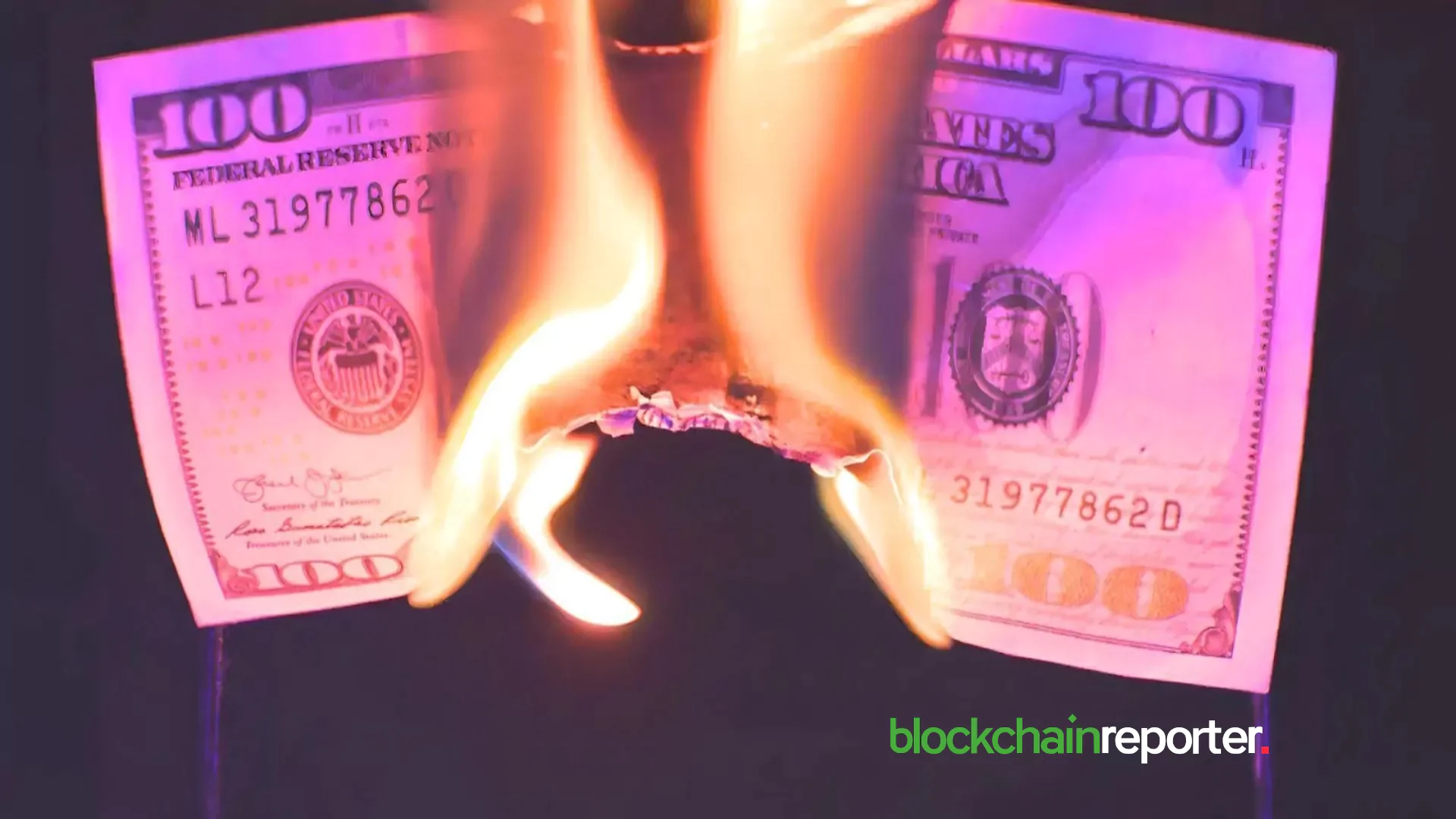
burning dollar 1

Osmosis, a decentralized exchange (DEX) and DeFi hub platform built on the Cosmos blockchain, today announced that over 8 million OSMO tokens have been burned and permanently removed from the circulating supply. Late last month, on October 26, 2025, the DeFi platform disclosed a token burning program aiming to decrease the circulating supply of OSMO. The protocol scheduled the first phase of 100 million tokens for burning and permanent removal over the next 30 days.

New Automated Osmosis Token Burn Mechanism: What it means

Beginning on Monday, November 10, 2025, Osmosis successfully implemented a new automated burn mechanism following the completion of the final manual burn from taker fees, according to data shared by market analyst Johnny Wyles.

This means that the token burning process now happens in two stages. The first phase (manual stage) involves coordinated changes across the protocol, with collaborations between validators and node operators. The second phase (powered by an autonomous system) runs multiple enhancements to bolster efficiency and reliability, with the automated burning process remaining a continuous process, not just a one-off event.

With the new automated program in place, the daily burn rate is approximately 79,000 OSMO tokens per day, which is equivalent to a monthly burn rate of 2.37 million tokens per month, according to the metrics reported by the analyst. This further translates to an annual burn rate of 28.84 million tokens per year. While this falls short of the target mentioned above, the automated token burn initiative (with time) will efficiently decrease the total market calculation of OSMO tokens. This exercise will improve the market perception of the scarcity of OSMO tokens and build the cornerstone for the price growth.

OSMO Price Analysis and Prediction

Despite the token burning program in progress, Osmosis has not experienced significant price movement. Its price, which currently stands at $0.100, has been down 2.5% and 5.5% in the last 24 hours and over the past week, respectively.

OSMOUSDThe current price of Osmosis is $0.100.

With the automated process, the protocol uses network fees to repurchase and burn OSMO, as a result will create a deflationary effect on supply and boost prices in the future. This supply reduction has the potential to bolster the price of OSMO to higher levels because it decreases the availability of tokens and increases scarcity.​

Disclaimer: The articles reposted on this site are sourced from public platforms and are provided for informational purposes only. They do not necessarily reflect the views of MEXC. All rights remain with the original authors. If you believe any content infringes on third-party rights, please contact service@support.mexc.com for removal. MEXC makes no guarantees regarding the accuracy, completeness, or timeliness of the content and is not responsible for any actions taken based on the information provided. The content does not constitute financial, legal, or other professional advice, nor should it be considered a recommendation or endorsement by MEXC.

You May Also Like

China Launches Cross-Border QR Code Payment Trial

China Launches Cross-Border QR Code Payment Trial

The post China Launches Cross-Border QR Code Payment Trial appeared on BitcoinEthereumNews.com. Key Points: Main event involves China initiating a cross-border QR code payment trial. Alipay and Ant International are key participants. Impact on financial security and regulatory focus on illicit finance. China’s central bank, led by Deputy Governor Lu Lei, initiated a trial of a unified cross-border QR code payment gateway with Alipay and Ant International as participants. This pilot addresses cross-border fund risks, aiming to enhance financial security amid rising money laundering through digital channels, despite muted crypto market reactions. China’s Cross-Border Payment Gateway Trial with Alipay The trial operation of a unified cross-border QR code payment gateway marks a milestone in China’s financial landscape. Prominent entities such as Alipay and Ant International are at the forefront, participating as the initial institutions in this venture. Lu Lei, Deputy Governor of the People’s Bank of China, highlighted the systemic risks posed by increased cross-border fund flows. Changes are expected in the dynamics of digital transactions, potentially enhancing transaction efficiency while tightening regulations around illicit finance. The initiative underscores China’s commitment to bolstering financial security amidst growing global fund movements. “The scale of cross-border fund flows is expanding, and the frequency is accelerating, providing opportunities for risks such as cross-border money laundering and terrorist financing. Some overseas illegal platforms transfer funds through channels such as virtual currencies and underground banks, creating a ‘resonance’ of risks at home and abroad, posing a challenge to China’s foreign exchange management and financial security.” — Lu Lei, Deputy Governor, People’s Bank of China Bitcoin and Impact of China’s Financial Initiatives Did you know? China’s latest initiative echoes the Payment Connect project of June 2025, furthering real-time cross-boundary remittances and expanding its influence on global financial systems. As of September 17, 2025, Bitcoin (BTC) stands at $115,748.72 with a market cap of $2.31 trillion, showing a 0.97%…
Share
BitcoinEthereumNews2025/09/18 05:28