

Iran’s Critical Response to US Peace Proposal Awaited: March 27 Deadline Looms
BitcoinWorld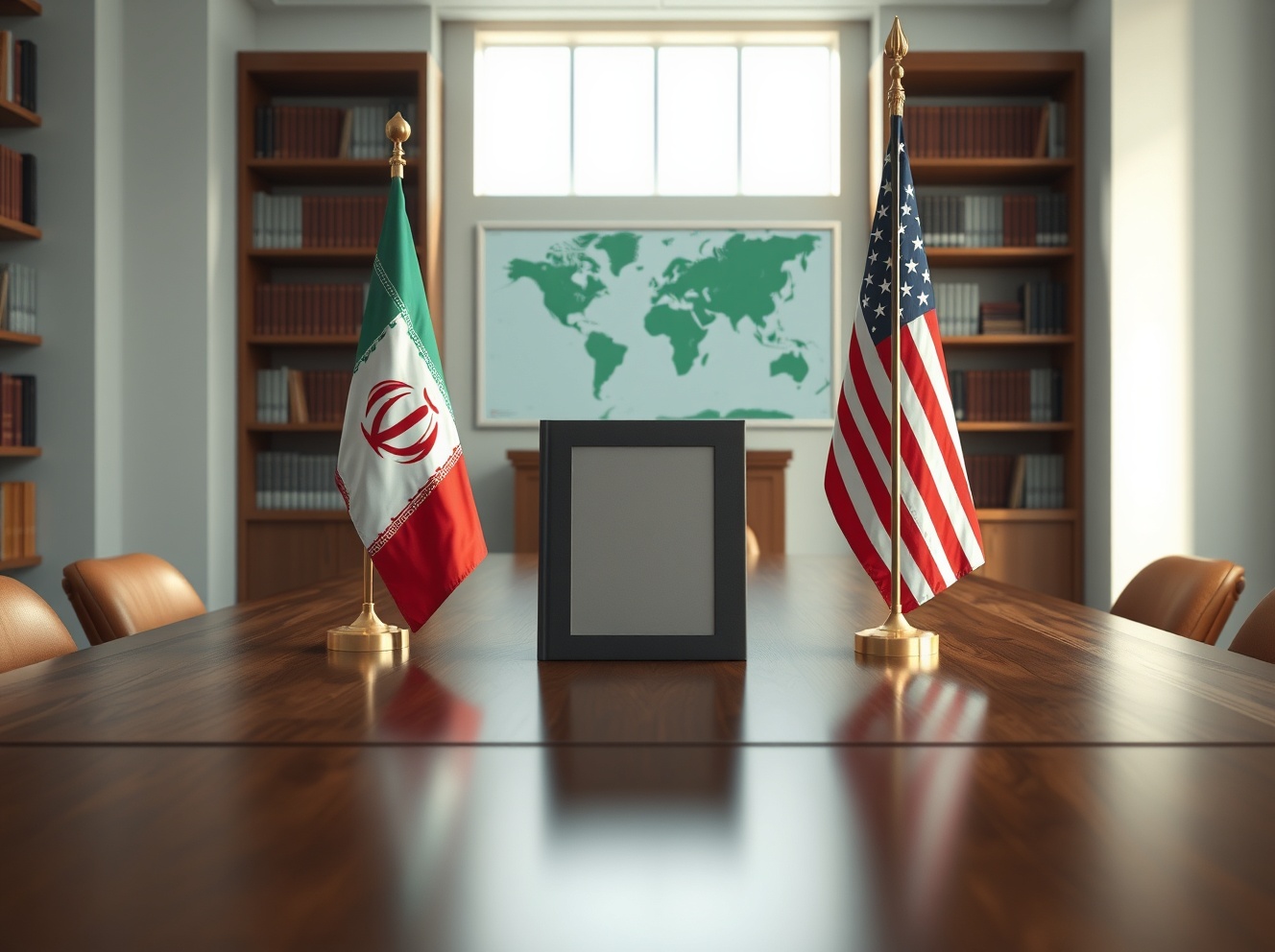
Iran’s Critical Response to US Peace Proposal Awaited: March 27 Deadline Looms
TEHRAN, Iran – March 26, 2025 – Diplomatic channels are tense as Iran prepares to deliver its official response to a comprehensive 15-point peace proposal from the United States. The Iranian government confirmed it will announce its position on March 27, following weeks of indirect dialogue facilitated by Pakistan. This development marks a significant moment in the long-strained relations between Washington and Tehran, two nations without formal diplomatic ties for over four decades. The proposal specifically aims to reduce hostile actions and establish a framework for secure, direct negotiations.
Analyzing the 15-Point US Peace Proposal to Iran
The United States delivered the detailed peace proposal through Pakistani intermediaries in late February. Consequently, this indirect method underscores the complex nature of US-Iran communications. The proposal’s 15 points reportedly address several core areas of contention. For instance, key points likely involve mutual commitments to de-escalation in the Persian Gulf. Furthermore, the plan may include confidence-building measures regarding nuclear activities. Additionally, provisions concerning regional proxy forces and sanctions relief probably form critical components. Analysts suggest the document seeks to create a verifiable pathway to broader talks. However, the full text remains confidential, known only to the involved governments.
Historically, US-Iran engagements have relied on third-party nations or international forums. Switzerland previously acted as a protecting power for US interests in Iran. Similarly, Oman facilitated secret talks leading to the 2015 Joint Comprehensive Plan of Action (JCPOA). The current use of Pakistan represents a strategic choice, given its historical ties with both nations. Pakistan maintains correct relations with the United States while sharing a long border and complex history with Iran. This choice of intermediary signals a pragmatic approach to a sensitive diplomatic overture.
Expert Perspectives on the Proposal’s Framework
Regional security experts note the proposal’s timing coincides with shifting geopolitical dynamics. Dr. Anahita Nassiri, a senior fellow at the Institute for Middle East Strategic Studies, provided context. “The 15-point structure suggests a holistic approach,” Nassiri explained. “It moves beyond single-issue bargaining to address security, economic, and regional concerns simultaneously. This comprehensive nature makes the response particularly consequential.” The proposal arrives amid ongoing International Atomic Energy Agency (IAEA) monitoring discussions and regional tensions involving other actors.
The Strategic Importance of Iran’s March 27 Response
Iran’s impending announcement will signal its willingness to engage with the current US administration. A positive or constructive response could unlock a new phase of diplomacy. Conversely, a rejection or highly conditional acceptance may prolong the current stalemate. The Iranian decision-making process involves multiple power centers. The Supreme National Security Council, the Foreign Ministry, and the office of the Supreme Leader all contribute to formulating the official stance. Domestic political considerations within Iran also influence the calculus. The government must balance potential diplomatic gains with perceptions of national sovereignty and resistance to foreign pressure.
The international community watches closely. European Union foreign policy chief, in a recent statement, expressed hope for a positive outcome. “Dialogue remains the only sustainable path to address differences,” the statement read. Meanwhile, regional powers like Saudi Arabia and Israel have not publicly commented but are monitoring developments with acute interest. Their security assessments are directly tied to any potential US-Iran understanding.
Historical Context of US-Iran Negotiations
To understand the current moment, one must consider the fraught history. The 1979 Iranian Revolution severed formal ties. Major diplomatic interactions since then have been rare and often crisis-driven. The 1980s saw US engagement during the Iran-Iraq War. The 2015 nuclear deal (JCPOA) represented a high point of multilateral diplomacy. However, the US withdrawal from the JCPOA in 2018 under President Trump collapsed that framework. Subsequent “maximum pressure” campaigns and retaliatory actions created a deep trust deficit. The current proposal attempts to build a new foundation from a position of entrenched mutual suspicion.
Potential Impacts and Regional Implications
The ramifications of Iran’s response will extend far beyond bilateral relations. A move toward negotiations could have immediate effects on several fronts.
- Global Energy Markets: Reduced tensions in the Strait of Hormuz, a critical oil chokepoint, could stabilize shipping insurance costs and oil prices.
- Regional Conflicts: Potential discussions on limiting support for proxy groups might influence conflicts in Yemen, Syria, and Iraq.
- Non-Proliferation: Renewed dialogue could strengthen the global nuclear non-proliferation regime and IAEA oversight mechanisms.
- Sanctions Architecture: Any progress could lead to phased sanctions relief, impacting Iran’s economy and global trade flows.
The table below outlines key potential outcomes based on the nature of Iran’s response:
| Response Type | Likely US Reaction | Probable Regional Effect |
|---|---|---|
| Acceptance for Direct Talks | Rapid scheduling of preliminary meetings, possible unilateral confidence gesture | Cautious optimism from EU/Gulf states; concern from hardline regional actors |
| Conditional Acceptance | Counter-proposal on conditions, extended indirect dialogue | Continued uncertainty, volatility in regional security assessments |
| Rejection with Counter-Offer | Evaluation of new points, potential pause in diplomatic initiative | Reinforcement of existing alliances and security postures |
| Flat Rejection | Reversion to pressure-based policy, strengthened regional military coordination | Increased risk of miscalculation or escalation in proxy conflicts |
Conclusion
The world awaits Iran’s critical response to the US peace proposal, scheduled for March 27. This moment represents a pivotal test for diplomacy between two long-time adversaries. The 15-point plan offers a structured path away from confrontation. However, decades of hostility create immense obstacles. The indirect channel through Pakistan demonstrates both the necessity and fragility of current communications. Ultimately, the coming days will reveal whether both nations can seize this opportunity for de-escalation. The regional and global implications of their choice will be profound and lasting. The path to sustainable peace remains arduous, but the alternative—continued escalation—carries far greater risks for international stability.
FAQs
Q1: What is the main goal of the US 15-point peace proposal to Iran?
The proposal’s primary goal is to establish a framework for reducing hostile actions and creating conditions for secure, direct negotiations between the United States and Iran, ultimately aiming to de-escalate tensions and address core bilateral and regional issues.
Q2: Why is Pakistan involved in delivering the proposal?
The United States and Iran lack formal diplomatic relations. Pakistan acts as an intermediary due to its existing diplomatic ties with both nations, a role historically played by other countries like Switzerland and Oman in past engagements.
Q3: What are the key issues likely covered in the 15 points?
While not publicly disclosed, experts believe the points address nuclear program limitations, sanctions relief, security guarantees for the Persian Gulf, the status of regional proxy forces, and mechanisms for verification and dispute resolution.
Q4: How have other countries reacted to this diplomatic initiative?
European allies have generally expressed cautious support for dialogue. Regional states like Saudi Arabia and Israel have been more reserved, monitoring closely as any agreement would directly impact their security calculus.
Q5: What happens if Iran rejects the proposal?
A rejection would likely result in the US reinforcing its current pressure-based policy, potentially increasing sanctions enforcement and military coordination with regional partners, leading to a heightened risk of escalation.
This post Iran’s Critical Response to US Peace Proposal Awaited: March 27 Deadline Looms first appeared on BitcoinWorld.


You May Also Like

Coinbase Urges Treasury to Clarify GENIUS Act Implementation

Q2 Market Insights: Bitcoin regains dominance in risk-averse environment, ETFs remain critical to market structure




