

US court has sentenced Wolf Capital Crypto Trading founder to 5 years in prison

A US court has sentenced Travis Ford, the founder and head trader behind Wolf Capital Crypto Trading LLC, to five years in prison.
According to the United States Department of Justice (DOJ), Ford must also forfeit more than $1 million and repay over $170,000 in restitution.
Fraudulent promises land Wolf Capital’s founder in trouble
From January to August 2023, Ford offered his investors returns of 1-2% per day, an annualized rate of approximately 547%, through “the company’s website and other social media and internet-based promotion activities” on platforms such as Telegram and Discord.
Ford reportedly lied about the company’s financial status, diverted funds into personal accounts, used some for personal expenses, and also incurred large amounts of trading losses.
While all of these were happening, US prosecutors claim that Ford was still soliciting funds from existing and new investors.
By mid-2023, however, the scheme began to crumble as investors began reporting delayed withdrawals and numbers in their accounts that didn’t add up. The patchwork gave out in August 2023 when Ford shut down the platform. Ford’s victims promptly hit state and federal agencies with a wave of complaints, which led to the beginning of Ford’s problems.
In his plea deal, Ford acknowledged lying to investors even after he and his co-conspirators had already siphoned their money away. “I made that and other similar false statements with the intent to induce individuals to invest their money with me and Wolf Capital and to remain invested,” he said, according to court documents.
The DOJ added that Ford knew the advertised returns were impossible to achieve. Still, the operation pressed on, raising $9.4 million from about 2,800 people.
In reality, investigators say the scheme operated like a classic Ponzi structure, with new deposits used to prop up the illusion of success while funds flowed to Ford and other insiders.
Ford faces 5 years of jail time
The case, which has been actively pursued by the DOJ’s Fraud Section and the United States Postal Inspection Service (USPIS) Criminal Investigations Group, saw Ford plead guilty to one count of conspiracy to commit wire fraud in January 2025. The USPIS is reportedly still carrying out investigations on the case.
At sentencing, the court hit Ford with a 60-month prison term on top of the over $1 million in repayments that the government imposed on the accused.
With Ford now sentenced, the focus shifts to what his conviction means for those who lost their capital in the investment. The restitution and forfeiture orders may be some sort of salve for the victims of Ford’s scheme, but US authorities acknowledge that full recovery remains unlikely for many of the individuals who trusted Wolf Capital with their money.
The DOJ has been actively prosecuting crypto-related Ponzi schemes, with one similar case being that of David Kagel, a disbarred California attorney, who reportedly defrauded his victims of about $9.5 million. He was sentenced to five years of probation after pleading guilty to his role in the scam and was also ordered to pay around $14 million in restitution late last year.
Want your project in front of crypto’s top minds? Feature it in our next industry report, where data meets impact.
You May Also Like

The Stunning ASEAN Winner Emerges As Manufacturing Shifts Accelerate
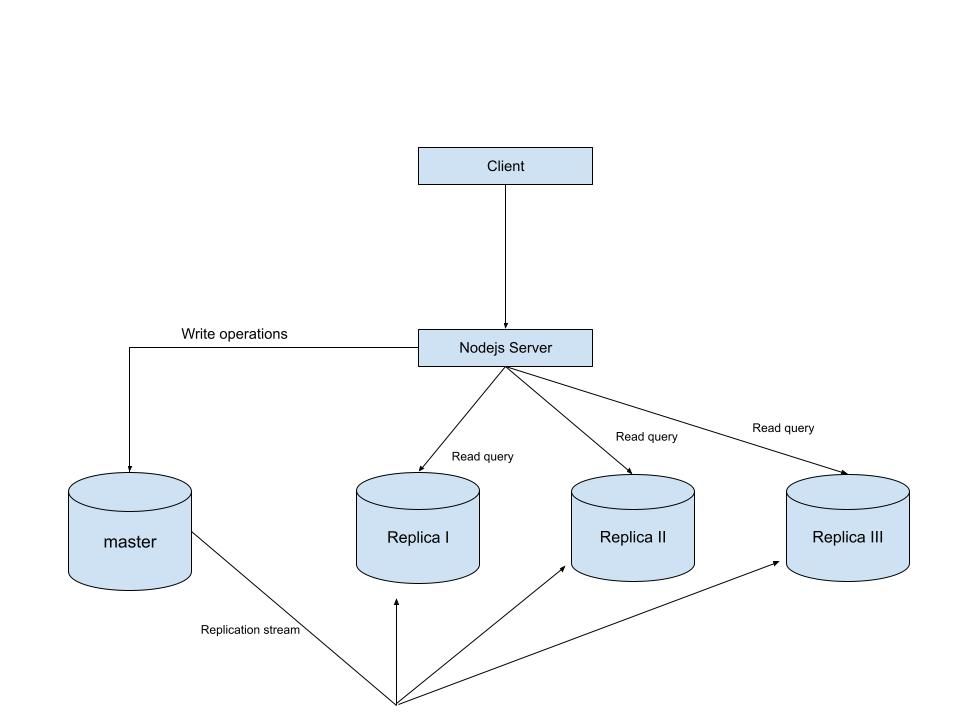
MySQL Single Leader Replication with Node.js and Docker
command: --server-id=1 --log-bin=ON The --server-id option gives each MySQL server in your replication setup its own name tag. Each one has to be unique and without it, replication won’t work at all. Another cool option not included here is binlog_format=ROW. This tells MySQL how to keep track of changes before passing them along to the replicas. By default, MySQL already uses row-based replication, but you can explicitly set it to ROW to be sure or switch it to STATEMENT if you’d rather log the actual SQL statements instead of row-by-row changes. \ Run our containers on docker Now, in the terminal, we can run the following command to spin up our database containers: docker-compose up -d \ Setting Up Our Master (Primary) Server To configure our master server, we would have to first access the running instance on docker using the following command docker exec -it mysql-master bash This command opens an interactive Bash shell inside the running Docker container named mysql-master, allowing us to run commands directly inside that container. \ Now that we’re inside the container, we can access the MySQL server and start running commands. type: mysql -uroot -p This will log you into MySQL as the root user. You’ll be prompted to enter the password you set in your docker-compose.yml file. \ Next, we need to create a special user that our replicas will use to connect to the master server and pull data. Inside the MySQL prompt, run the following commands: \ CREATE USER 'repl_user'@'%' IDENTIFIED BY 'replication_pass'; GRANT REPLICATION SLAVE ON . TO 'repl_user'@'%'; FLUSH PRIVILEGES; Here’s what’s happening: CREATE USER makes a new MySQL user called repl_user with the password replication_pass. GRANT REPLICATION SLAVE gives this user permission to act as a replication client. FLUSH PRIVILEGES tells MySQL to reload the user permissions so they take effect immediately. \ Time to Configure the Replica (Secondary) Servers a. First, let’s access the replica containers the same way we did with the master. Run this command in your terminal for each of the replica containers: \ docker exec -it <replica_container_name> bash mysql -uroot -p <replica_container_name> should be replace with the name of the replica container you are trying to setup b. Now it’s time to tell our replica where to get its data from. While inside the replica’s MySQL shell, run the following command to configure replication using the master’s details: CHANGE REPLICATION SOURCE TO SOURCE_HOST='mysql-master', SOURCE_USER='repl_user', SOURCE_PASSWORD='replication_pass', GET_SOURCE_PUBLIC_KEY=1; With the replication settings in place, let’s fire up the replica and get it syncing with the master. Still inside the MySQL shell on the replica, run: START REPLICA; This starts the replication process. To make sure everything is working, check the replica’s status with:
SHOW REPLICA STATUS\G; Look for Replica_IO_Running and Replica_SQL_Running — if both say Yes, congratulations! 🎉 Your replica is now successfully connected to the master and replicating data in real time.
Testing Our Replication Setup from the Node.js App Now that our replication is successfully set up, we can configure our Node.js server to observe the real-time effect of data being replicated from the master server to the replica server whenever we write to it. We start by installing the following dependencies:
npm i express mysql2 sequelize \ Now create a folder called src in the root directory and add the following files inside that folder connection.js, index.js and model.js. Our current directory should look like this We can now set up our connections to our master and replica server in the connection.js file as shown below
const Sequelize = require("sequelize"); const sequelize = new Sequelize({ dialect: "mysql", replication: { write: { host: "127.0.0.1", username: "root", password: "master", database: "replicaDb", }, read: [ { host: "127.0.0.1", username: "root", password: "slave", database: "replicaDb", port: 3307 }, { host: "127.0.0.1", username: "root", password: "slave", database: "replicaDb", port: 3308 }, { host: "127.0.0.1", username: "root", password: "slave", database: "replicaDb", port: 3309 }, ], }, }); async function connectdb() { try { await sequelize.authenticate(); } catch (error) { console.error("❌ unable to connect to the follower database", error); } } connectdb(); module.exports = { sequelize, }; \ We can now create a User table in the model.js file
const {DataTypes} = require("sequelize"); const { sequelize } = require("./connection"); const User = sequelize.define("User", { name: { type: DataTypes.STRING, allowNull: false, }, email: { type: DataTypes.STRING, unique: true, allowNull: false, }, }); module.exports = User \ and finally in our index.js file we can start our server and listen for connections on port 3000. from the code sample below, all inserts or updates will be routed by sequelize to the master server. while all read queries will be routed to the read replicas.
const express = require("express"); const { sequelize } = require("./connection"); const User = require("./model"); const app = express(); app.use(express.json()); async function main() { await sequelize.sync({ alter: true }); app.get("/", (req, res) => { res.status(200).json({ message: "first step to setting server up", }); }); app.post("/user", async (req, res) => { const { email, name } = req.body; let newUser = await User.build({ name, email, }); // This INSERT will go to the write (master) connection newUser = newUser.save({ returning: false }); res.status(201).json({ message: "User successfully created", }); }); app.get("/user", async (req, res) => { // This SELECT query will go to one of the read replicas const users = await User.findAll(); res.status(200).json(users); }); app.listen(3000, () => { console.log("server has connected"); }); } main(); When you make a POST request to the /users endpoint, take a moment to check both the master and replica servers to observe how data is replicated in real time. Right now, we are relying on Sequelize to automatically route requests, which works for development but isn’t robust enough for a production environment. In particular, if the master node goes down, Sequelize cannot automatically redirect requests to a newly elected leader. In the next part of this series, we’ll explore strategies to handle these challenges
