Silver Price Analysis: Critical Bearish Crossover Threatens to Plunge Prices Toward $70 Support
BitcoinWorld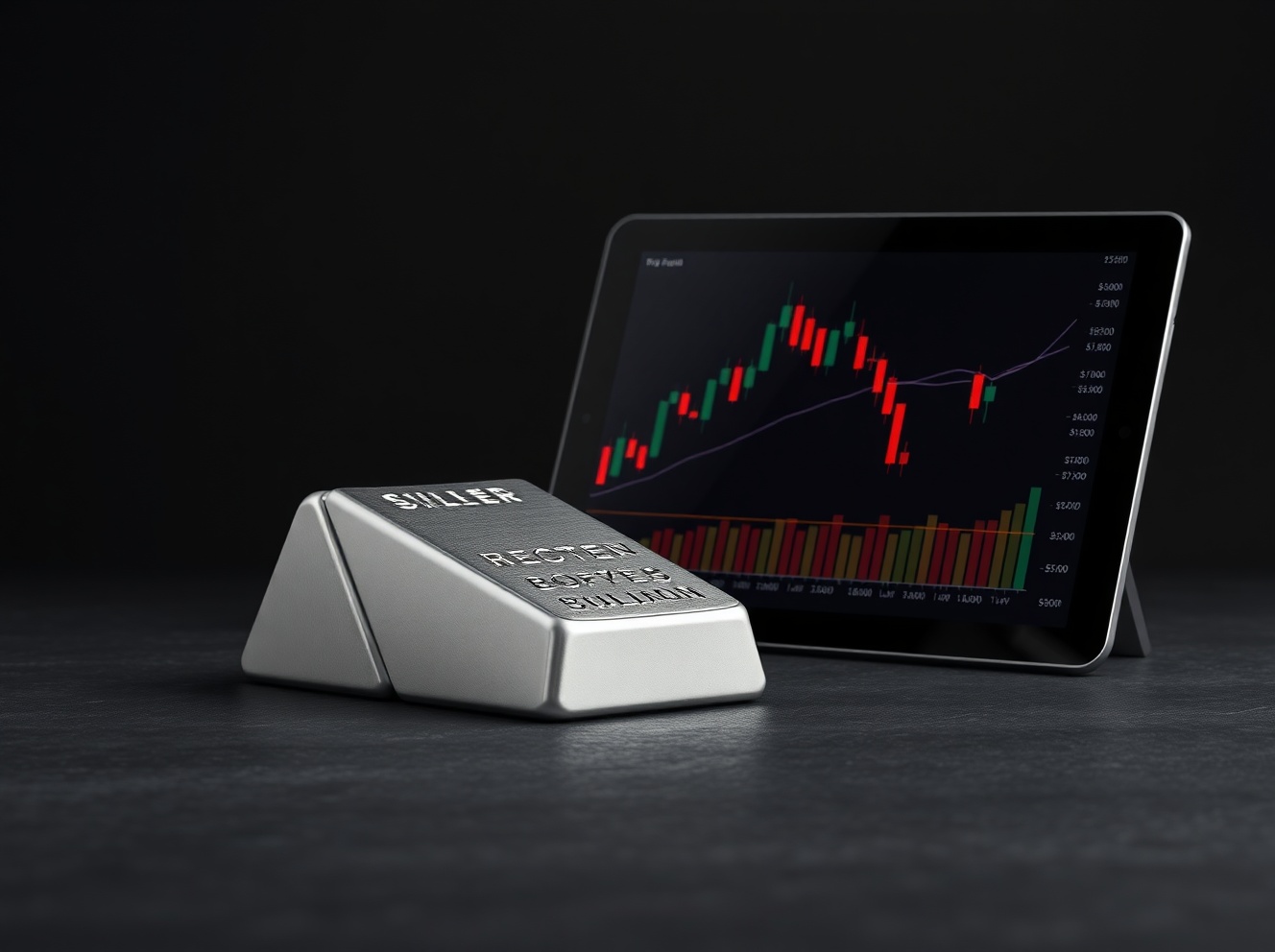
Silver Price Analysis: Critical Bearish Crossover Threatens to Plunge Prices Toward $70 Support
Global silver markets face mounting technical pressure as a significant bearish crossover pattern emerges on price charts, potentially signaling a substantial decline toward the critical $70 support level that could reshape precious metals trading strategies worldwide.
Silver Price Analysis Reveals Critical Technical Breakdown
Technical analysts across major financial institutions have identified a concerning pattern developing in silver price charts. The 50-day moving average appears poised to cross below the 200-day moving average, creating what market technicians call a “death cross.” This pattern historically precedes significant price declines across various asset classes. Meanwhile, silver has already broken below several key support levels established during the first quarter of 2025. The metal currently trades approximately 15% below its recent highs, with momentum indicators showing sustained selling pressure. Volume analysis reveals increasing activity on down days, suggesting institutional participation in the current decline. Furthermore, the Relative Strength Index (RSI) has entered oversold territory, yet continues to trend downward without showing signs of reversal.
Historical Context of Silver Market Corrections
Silver has experienced similar technical patterns throughout its trading history, with varying outcomes depending on macroeconomic conditions. The 2011-2013 bear market saw silver decline from nearly $50 to under $20 following a similar crossover pattern. More recently, the 2022 correction resulted in a 30% price drop over six months. Current market conditions differ significantly from previous periods, however. Central bank policies have shifted dramatically since 2023, with most major economies maintaining higher interest rates than during previous precious metals cycles. Industrial demand for silver continues to grow, particularly in solar panel manufacturing and electric vehicle production. Global silver inventories have declined for three consecutive years according to the Silver Institute’s 2024 report. The table below illustrates key differences between current and previous market conditions:
| Market Factor | Current Conditions (2025) | Previous Correction (2022) |
|---|---|---|
| Interest Rate Environment | Higher for longer | Rising from historic lows |
| Industrial Demand Growth | 8.2% annually | 5.7% annually |
| Central Bank Purchases | Moderate | Minimal |
| Dollar Strength Index | 98.5 | 104.2 |
Expert Analysis of Support Levels
Market technicians have identified several critical support zones for silver prices. The $70 level represents psychological support that has held during three previous tests since 2023. Below this level, additional support exists at $68.50, corresponding with the 61.8% Fibonacci retracement level from the 2023-2024 rally. Major institutional analysts from firms including Goldman Sachs and JPMorgan have published research noting the importance of these technical levels. Their analysis suggests that a break below $70 could trigger automated selling from algorithmic trading systems. These systems manage approximately 35% of precious metals trading volume according to recent exchange data. Consequently, the $70 level represents not just psychological support but also a technical trigger point for additional selling pressure.
Fundamental Factors Influencing Silver’s Direction
Several fundamental factors contribute to the current technical setup in silver markets. Industrial demand remains robust, particularly from the renewable energy sector. Solar panel manufacturers consumed approximately 160 million ounces of silver in 2024, representing 15% of total demand. However, investment demand has weakened significantly as higher interest rates make yield-bearing assets more attractive. The Federal Reserve’s current policy stance suggests rates will remain elevated through at least mid-2026, according to their latest projections. Mining production has increased modestly, with major producers reporting 3.2% year-over-year growth in output. Meanwhile, recycling rates have declined due to lower prices, reducing secondary supply. These conflicting fundamental factors create uncertainty about whether current technical patterns will lead to sustained declines or represent temporary corrections.
Key factors currently influencing silver prices include:
- Central bank monetary policies and interest rate trajectories
- Industrial demand from green technology sectors
- Investment flows into precious metals ETFs and funds
- Mining production costs and supply constraints
- Currency movements, particularly dollar strength
Market Structure and Trading Implications
The structure of silver markets has evolved significantly in recent years, affecting how technical patterns develop and resolve. Exchange-traded products now hold approximately 1.2 billion ounces of silver, representing substantial inventory that can amplify price movements. Options market data shows increasing put volume at the $70 strike price, indicating traders are positioning for potential declines. Open interest in silver futures has increased by 18% over the past month, suggesting growing institutional interest in the current price action. Market makers have widened bid-ask spreads slightly, reflecting increased uncertainty about near-term direction. Regulatory changes implemented in 2024 have increased transparency in precious metals markets, providing clearer data on positioning and flows. These structural factors influence how technical patterns like the current bearish crossover might play out in coming weeks.
Comparative Analysis with Gold and Other Metals
Silver’s technical patterns differ significantly from those in related precious metals markets. Gold has maintained its 200-day moving average support despite recent pressure, creating a divergence between the two metals. The gold-silver ratio has expanded to 85:1, above its 10-year average of 75:1. Platinum and palladium show mixed technical pictures, with platinum exhibiting relative strength while palladium continues its multi-year decline. Copper, often considered an industrial bellwether, has shown resilience despite broader commodity weakness. These divergences suggest that silver’s current technical weakness may reflect metal-specific factors rather than broad precious metals sentiment. Analysts note that silver often exhibits greater volatility than gold during market transitions, potentially explaining the more pronounced technical deterioration in silver charts.
Potential Scenarios and Price Projections
Market analysts have developed several scenarios based on the current technical setup. The base case scenario assumes a test of the $70 support level followed by consolidation. This scenario carries approximately 45% probability according to options market pricing. A more bearish scenario involves a break below $70 triggering additional technical selling toward $65 support. This scenario carries 30% probability based on current market indicators. The bullish scenario requires a reversal above recent resistance at $78 to invalidate the bearish crossover pattern. This scenario carries 25% probability given current momentum indicators. Historical analysis of similar technical patterns suggests the resolution typically occurs within 4-8 weeks, providing a timeframe for monitoring developments. Each scenario carries different implications for mining companies, investors, and industrial users who rely on price stability for planning purposes.
Conclusion
Silver price analysis reveals a critical juncture for the precious metal as technical indicators point toward potential declines toward the $70 support level. The emerging bearish crossover pattern represents a significant development that market participants must monitor closely. While fundamental factors provide some support through industrial demand, technical and macroeconomic pressures create substantial headwinds. The resolution of this technical pattern will likely influence silver trading strategies and precious metals allocations throughout 2025. Market participants should watch key levels around $70 for signals about silver’s medium-term direction, while considering the broader context of monetary policy, industrial demand, and market structure developments.
FAQs
Q1: What exactly is a bearish crossover in silver price analysis?
A bearish crossover, often called a “death cross,” occurs when a shorter-term moving average (typically 50-day) crosses below a longer-term moving average (typically 200-day). This technical pattern suggests weakening momentum and often precedes further price declines.
Q2: Why is the $70 level particularly important for silver prices?
The $70 level represents both psychological support and a key technical level that has held during multiple tests since 2023. It also corresponds with important Fibonacci retracement levels and serves as a trigger point for automated trading systems.
Q3: How does current silver price action compare to historical patterns?
Current patterns resemble the 2011-2013 bear market in structure but occur within different macroeconomic conditions. The current environment features higher interest rates and stronger industrial demand than during previous similar technical setups.
Q4: What factors could prevent silver from reaching $70?
Several factors could provide support, including sustained industrial demand, central bank purchases, dollar weakness, or unexpected supply disruptions from major mining regions.
Q5: How long do bearish crossover patterns typically take to resolve?
Historical analysis suggests similar technical patterns in silver markets typically resolve within 4-8 weeks, though the magnitude of price movements can vary significantly based on accompanying fundamental developments.
This post Silver Price Analysis: Critical Bearish Crossover Threatens to Plunge Prices Toward $70 Support first appeared on BitcoinWorld.


You May Also Like

Will XRP price fall below $1.30 support
Republican Clay Fuller wins runoff to succeed Marjorie Taylor Greene in Congress