

Iran’s Bitcoin Hashrate Falls 77% as Conflict Hits Local Mining Operations
TLDR
- Iran’s Bitcoin hashrate fell from about 9 EH/s to 2 EH/s over the quarter.
- The report said Iran lost roughly 7 EH/s during the period.
- Global Bitcoin hashrate remained near 1,000 EH/s despite the regional drop.
- Hashrate Index said neighboring UAE and Oman remained stable during the conflict.
- The report linked the wider global hashrate decline to lower Bitcoin prices and weak miner profitability.
Iran’s Bitcoin hashrate fell about 77% over the past quarter, according to a new report from Hashrate Index. The country’s mining capacity dropped from roughly 9 exahashes per second to about 2 EH/s. The report linked the decline to the recent conflict involving Iran, the United States, and Israel.
Ian Philpot, marketing director at Luxor Technology, said Iran lost about 7 EH/s quarter over quarter. That made it one of the steepest regional drops in recent periods. The report said the decline came as conflict disrupted conditions for mining activity inside the country.

Iran is estimated to have about 427,000 active Bitcoin mining machines. Mining depends on reliable power and operating stability, and both can be affected during military conflict. As mining rigs go offline, national hashrate falls and local activity becomes harder to sustain.
The report said the damage remained concentrated in Iran. Philpot wrote, “The impact was contained to Iran; neighboring UAE and Oman remained stable.” That point matters because traders had watched for broader disruption across nearby countries with energy and mining exposure.
Global Bitcoin hashrate Remains Near 1,000 EH/s
Even with the fall in Iran, the global Bitcoin network has remained stable. Hashrate Index data showed global hashrate near 1,000 EH/s. Philpot said no single region currently has enough mining capacity to threaten the continuity of the wider network.
He wrote, “Regional disruptions redistribute hashrate rather than destroy it.” That means mining activity often shifts between regions instead of disappearing from the network. Bitcoin’s proof-of-work model is designed to keep blocks moving even when one country loses capacity.
The report said the loss from Iran represented less than 1% of the global network’s pre-conflict capacity. That helps explain why block production and network security did not see major visible disruption. The network absorbed the regional drop without broader operational stress.
Bitcoin mining is spread across several large jurisdictions. The United States remains the top mining region with more than 37% of global hashrate. Russia follows with about 17%, while China accounts for roughly 12%, according to the Hashrate Index heatmap.
Profitability Pressure Remains the Larger Driver of Mining Slowdown
While Iran’s decline was linked to conflict, the report said the broader global slowdown in mining is mainly tied to Bitcoin’s falling price. The 30-day simple moving average of global hashrate dropped from 1,066 EH/s in Q1 to about 1,004 EH/s in Q2. That marked a 5.8% quarter-over-quarter decline.
Bitcoin has fallen more than 45% from its all-time high of $126,000 set in October. Lower prices reduce miner revenue because block rewards are worth less in dollar terms. When revenue falls, weaker machines become harder to operate at a profit.
Philpot said mining profitability, not regulation or energy costs, is the main factor behind current hashrate shifts. He said older machines with efficiency above 25 J/TH now operate at negative gross margins. That has forced many operators to shut down legacy equipment.
The report estimated that about 252 EH/s of marginal mining capacity now sits offline worldwide. Much of that capacity is older hardware that has already been retired. This has turned the current period into a price-driven mining reset rather than a conflict-driven global shock.
Ceasefire May Ease Pressure, but Mining Recovery Remains Uncertain
The report came as the United States and Iran reached a two-week ceasefire on April 8. The truce followed weeks of conflict and included an agreement to reopen the Strait of Hormuz for shipping. Peace talks are expected to begin in Islamabad, with Pakistan acting as mediator.
That ceasefire may reduce immediate regional pressure, but it does not guarantee a quick mining recovery in Iran. Mining operations need steady electricity, internet access, and working infrastructure. If those conditions remain weak, local hashrate may stay below earlier levels.
For now, the report shows two separate trends in Bitcoin mining. Iran’s hashrate fell sharply because of conflict, but the global network stayed intact. At the same time, lower Bitcoin prices continue to push older machines offline across many regions.
The post Iran’s Bitcoin Hashrate Falls 77% as Conflict Hits Local Mining Operations appeared first on CoinCentral.


You May Also Like
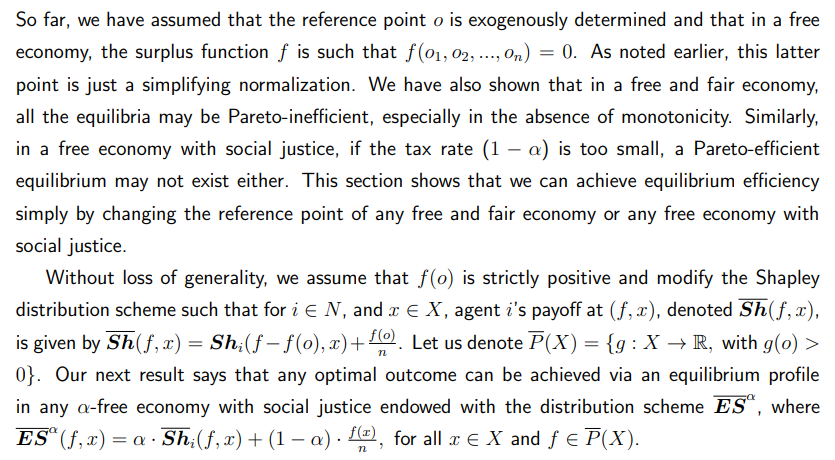
The Role of Reference Points in Achieving Equilibrium Efficiency in Fair and Socially Just Economies

CoinRabbit Reduces Crypto Lending Rates for XRP Loans and 300+ Assets




