Understanding CBN’s crypto pilot with Obinna Iwuno, former president of SiBAN
At first glance, the Central Bank of Nigeria’s new AML/CFT/CPF pilot looks like yet another layer of compliance in an already complex crypto regulatory ecosystem. For many founders and operators, it has triggered familiar concerns: duplication, rising costs, and the risk of stifling innovation.
But according to Obinna Iwuno, the former president of SiBAN, that reading misses the point entirely.
Rather than a new compliance burden, he argues, the pilot is something more foundational: a learning phase, one that signals Nigeria’s gradual shift from regulatory hostility to structured engagement with the digital asset economy.
It is not a dual reporting regime
Much of the early discourse has framed the pilot as a dual reporting system running alongside the SEC’s ARIP framework. Iwuno pushes back firmly on that interpretation.
“This is not a dual reporting system,” he insists. The initiative, as outlined by the CBN, is designed to prepare for the implementation of global standards such as the FATF travel rule, while helping regulators understand how virtual asset systems actually function in practice.
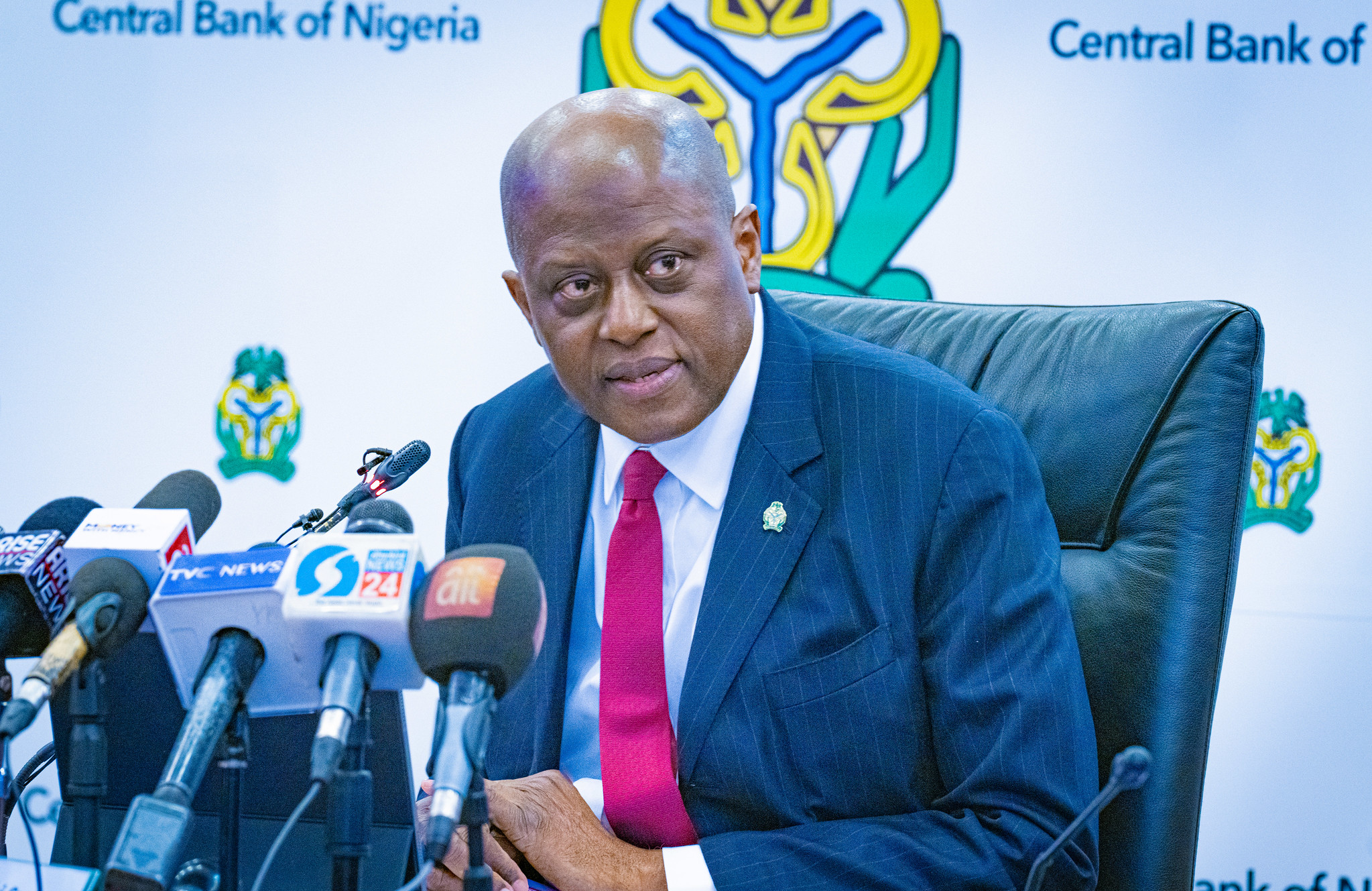 CBN governor, Olayemi Cardoso
In other words, this is not about creating parallel reporting obligations. It is about institutional learning.
The regulatory authority over digital assets still sits squarely with the Securities and Exchange Commission (SEC). What the CBN is doing, Iwuno explains, is positioning itself to understand the payment rails that increasingly underpin modern finance.
The real compliance risk crypto startups should watch out for
For early-stage builders, the bigger concern is not reporting; it is fragmentation. Iwuno draws a clear line: innovation is threatened only when multiple regulators demand separate licences for the same activity.
“If you need one licence from the SEC, another from the CBN, and another from elsewhere just to operate, then you have a problem,” he says.
That scenario, he argues, would create a true “compliance tax”, one capable of draining already thin startup runways. But Nigeria is not there yet. Instead, what is emerging is a gradual attempt at alignment between agencies. If managed properly, that alignment could reduce friction rather than increase it.
For everyday Nigerians, many of whom rely on digital assets to hedge inflation or move money across borders, the implications are more nuanced.
On one hand, clearer supervisory frameworks are a net positive. They signal maturity, reduce uncertainty, and make the market more attractive to both local users and international investors. On the other hand, compliance is never free.
Operators absorb regulatory costs as part of doing business, and those costs are often passed down to the end users. If compliance becomes expensive, users may end up paying higher transaction fees, undermining one of blockchain’s core advantages.
 Obinna Nwuno, former President of SiBAN
Iwuno is particularly pointed here. Blockchain-based payments, he notes, typically operate with fees below 1%, far lower than traditional banking systems, which are often opaque and fee-heavy.
The challenge, then, is balance: strengthen oversight without eroding the efficiency that makes the technology valuable in the first place.
No turf war, just misunderstood roles
The idea of a regulatory clash between the CBN and the SEC has gained traction in industry circles. Iwuno dismisses it as a misunderstanding. Each institution, he explains, has a distinct mandate.
The SEC regulates investment and capital markets activity. The CBN oversees monetary policy and financial system stability. Agencies like the NFIU focus on financial intelligence, while others, like the NDPC, handle data protection and NITDA information/communications.
“They are not doing the same thing,” he says. “They cannot be.”
What looks like an overlap is, in reality, a network of interdependent functions. Some agencies regulate. Others learn and adapt their frameworks to accommodate new technology.
The sandbox question: Who gets in and who doesn’t?
The pilot’s limited participant list (cNGN, Flutterwave, Juicyway, KoinKoin, KuCoin, and Paystack) has also drawn criticism, particularly from smaller, indigenous virtual asset service providers (VASPs) who were not included. Iwuno’s response is unequivocal: sandboxes are not designed for universal access.
“No country puts everyone into a sandbox at once,” he explains.
 cNGN Stablecoin
A sandbox is a controlled testing environment. Regulators select a subset of participants, observe their operations, and use those insights to develop broader frameworks. Once those frameworks are in place, full licensing begins, and the sandbox becomes largely irrelevant.
Ultimately, recent developments, from the SEC’s ARIP to crypto taxation and now the CBN pilot, point to a clear shift: Nigeria is engaging more seriously with the digital asset sector. But engagement is not the same as clarity.
In that sense, exclusion from the pilot is not a permanent disadvantage. It is simply part of a phased regulatory process.
Critical gaps remain. Banking access for VASPs is still limited. Licensing structures are incomplete. Policy signals can be inconsistent. Iwuno describes the current moment as one of mixed signals, progress tempered by uncertainty.
“It’s an indication of movement,” he says, “but we still need to ask if the moves being made are the right ones.”
Iwuno is direct about the stakes. Overregulation at an early stage risks suffocating growth. But underdevelopment of policy risks something equally damaging: irrelevance. “This is an innovative industry,” he says. “If you try to extract too much from it too early, you risk killing it before it has the chance to grow.”
The CBN’s pilot is not a finished framework. It is a signal. A signal that Nigeria is moving, slowly, unevenly, but decisively, towards a more structured engagement with digital assets.
Related story: Flutterwave, Paystack among 6 companies CBN is supervising as Virtual Asset Providers


You May Also Like

Cango Inc. Completes $65M Investment and Secures $10M Convertible Note Financing

Will Iran Really Accept Bitcoin for Passages Through the Strait of Hormuz?