Strait of Hormuz Crisis: Iran Considers Alarming Temporary Shipping Halt Amid Negotiations
BitcoinWorld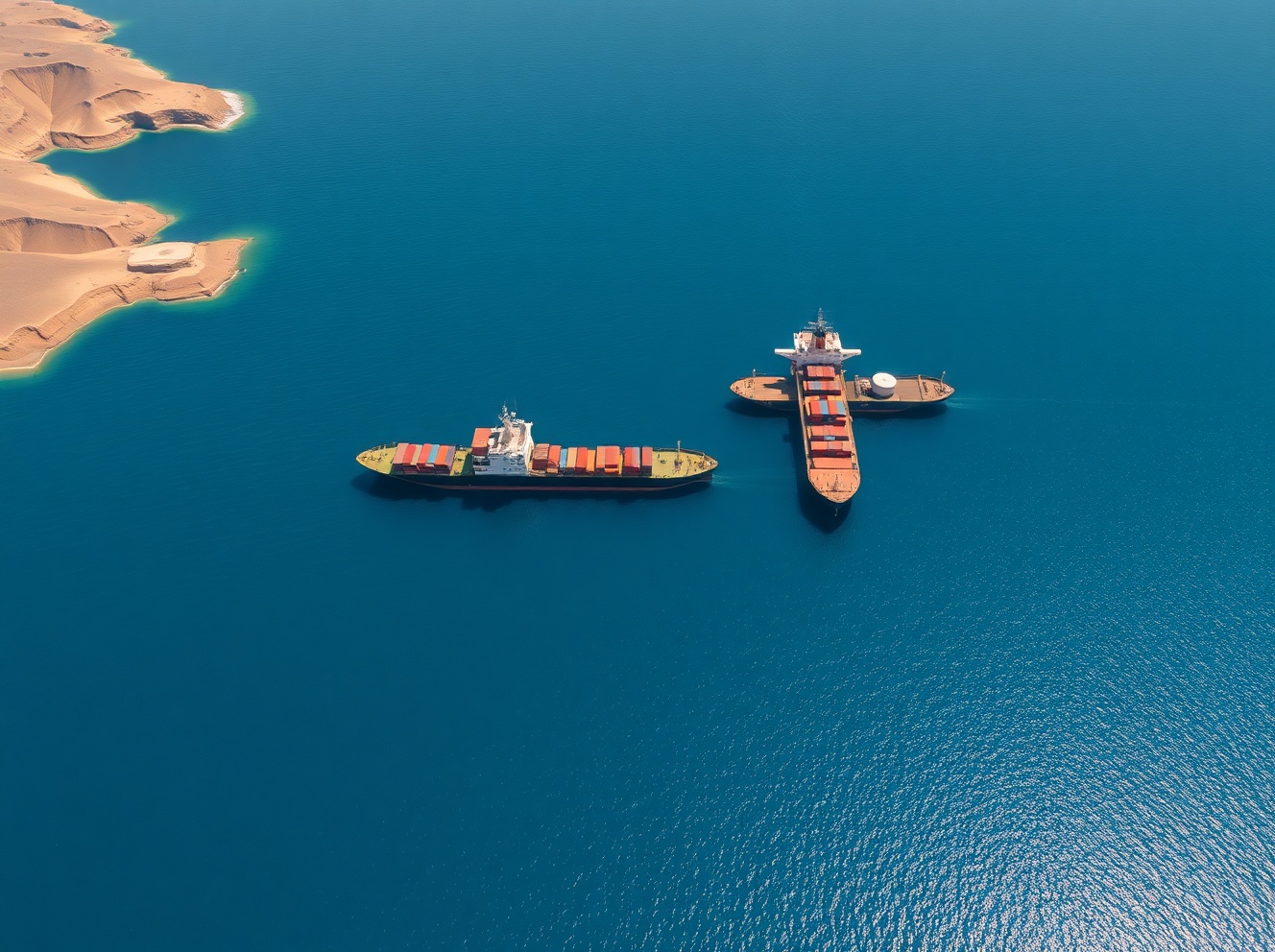
Strait of Hormuz Crisis: Iran Considers Alarming Temporary Shipping Halt Amid Negotiations
TEHRAN, Iran – In a move with profound implications for global energy security, Iranian officials are reportedly weighing a temporary suspension of commercial shipping through the critical Strait of Hormuz. This potential action, confirmed by a senior government official speaking on condition of anonymity this week, aims explicitly to prevent disruptions to delicate, ongoing diplomatic negotiations. The strait serves as the world’s most important oil transit chokepoint, funneling roughly one-fifth of global petroleum consumption.
Strait of Hormuz Shipping Halt: A Strategic Gambit
Iran’s consideration of a temporary shipping halt represents a calibrated escalation in its regional strategy. The official stated the measure would be “precautionary and temporary,” designed to create a stable environment for talks by mitigating the risk of maritime incidents. However, analysts immediately recognized the significant leverage such a move would grant Tehran. Consequently, global oil markets exhibited volatility following the initial reports. Furthermore, shipping insurance premiums for vessels transiting the Persian Gulf could spike dramatically.
The Strait of Hormuz is a narrow, 21-mile-wide passage connecting the Persian Gulf with the Gulf of Oman and the Arabian Sea. Its geography naturally creates a bottleneck. Over the decades, Iran has repeatedly emphasized its capacity to control this waterway, a central tenet of its naval doctrine. A temporary closure, even for a short period, would demonstrate this capability without triggering a full-scale conflict. The global economy remains heavily dependent on the uninterrupted flow of hydrocarbons from Gulf producers like Saudi Arabia, Iraq, the UAE, Kuwait, and Qatar.
Historical Context and Precedent for Closure
This is not the first time the specter of a Strait of Hormuz closure has loomed. The waterway was a central theater during the 1980-1988 Iran-Iraq War, a period known as the “Tanker War.” During that conflict, both nations attacked commercial shipping, severely disrupting oil exports. More recently, Iran has threatened closure in response to severe economic sanctions and military threats. For instance, in 2019 and 2022, Tehran seized foreign tankers and was accused of attacking vessels with mines, actions that heightened tensions but stopped short of a full blockade.
A temporary, announced halt would differ markedly from these past actions. It would be a state-controlled, communicated action rather than an act of asymmetric warfare. The stated goal of safeguarding negotiations adds a novel diplomatic layer. Experts suggest this indicates Tehran’s desire to use the strait as a bargaining chip rather than simply a weapon. The table below outlines key differences between past incidents and the current proposal:
| Aspect | Past Incidents (Tanker War, Seizures) | Proposed Temporary Halt |
|---|---|---|
| Nature | Unannounced military attacks or seizures | Pre-announced, state-controlled suspension |
| Primary Goal | Military denial or retaliation | Diplomatic signaling and risk mitigation |
| Duration | Indefinite, conflict-dependent | Reportedly temporary and defined |
| Market Impact | Sudden shock and panic | Anticipated volatility with potential preparation time |
Expert Analysis on Motives and Risks
Dr. Anahita Nassiri, a senior fellow at the Gulf Studies Center, provided context on the potential calculus. “Iran is attempting to weaponize stability,” Nassiri explained. “By offering to guarantee safe passage as the default, it creates a tangible concession it can offer or withdraw. A temporary, voluntary halt is a signal of control. It tells negotiators that continued access is contingent on diplomatic progress.” This approach turns Iran’s geographic position into active diplomatic currency.
The risks of such a maneuver, however, are immense. Firstly, it could provoke a severe international response, potentially including military escorts for commercial vessels. Secondly, it might accelerate efforts by Gulf states and consumers to find permanent alternatives, such as:
- Pipeline Expansion: Increasing capacity of overland pipelines like the East-West Pipeline in Saudi Arabia.
- Strategic Diversification: Accelerating global investment in renewable energy to reduce oil dependence.
- Naval Coalition: Formalizing a broader international maritime security force in the region.
Moreover, any disruption would have an immediate effect on global oil prices, potentially pushing them above critical thresholds and stoking inflation worldwide. The logistical chain for global shipping would experience significant delays and increased costs.
Global Economic and Security Implications
The potential economic impact of a Strait of Hormuz shipping halt cannot be overstated. According to data from the U.S. Energy Information Administration, the waterway saw an average of 20.5 million barrels per day (bpd) of oil and petroleum products transit in 2023. This volume represents about 21% of global petroleum liquids consumption. A suspension would force tankers to wait, creating a floating storage glut in the Persian Gulf and a physical shortage elsewhere. Refineries in Asia, Europe, and the United States would face supply crunches within weeks.
From a security perspective, the move would test the resolve and coordination of international naval forces present in the region, including the U.S. Fifth Fleet based in Bahrain. The principle of freedom of navigation is a cornerstone of international maritime law. A unilateral closure by a coastal state would challenge this norm directly. Consequently, the situation requires careful diplomacy to de-escalate tensions. Regional actors, including Oman which shares control of the strait, would likely engage in intense shuttle diplomacy to prevent a crisis.
Conclusion
The reported consideration of a temporary Strait of Hormuz shipping halt by Iran underscores the fragile equilibrium of global energy security. While framed as a protective measure for negotiations, the action represents a high-stakes demonstration of geopolitical leverage. The world’s dependence on this narrow waterway makes it a perpetual flashpoint. The coming days will reveal whether this proposal remains a tactical rumor or escalates into a tangible disruption with worldwide consequences. The situation demands close monitoring by markets, governments, and security analysts alike, as the outcome will significantly influence both regional stability and the global economic landscape.
FAQs
Q1: Why is the Strait of Hormuz so important?
The Strait of Hormuz is the world’s most critical oil transit chokepoint. It is the only sea passage from the Persian Gulf to the open ocean, making it essential for exports from Saudi Arabia, Iran, Iraq, the UAE, Kuwait, and Qatar. Approximately 21% of global petroleum liquids pass through it daily.
Q2: Has Iran closed the Strait of Hormuz before?
Iran has never executed a full, official closure. However, it has repeatedly threatened to do so, and the waterway was highly dangerous during the 1980s Iran-Iraq “Tanker War” due to attacks on shipping. Iran has also seized vessels and been accused of mine attacks in recent years.
Q3: What would be the immediate effect of a temporary halt?
The immediate effect would be a sharp spike in global oil prices due to supply fears. Shipping insurance costs would soar, and tankers would queue up, causing logistical delays. Markets would experience significant volatility.
Q4: Can other countries keep the strait open if Iran closes it?
The U.S. and allied navies have stated they would take necessary action to ensure freedom of navigation. This could involve naval escorts for commercial vessels, but such operations would be complex and risk direct military confrontation in congested waters.
Q5: Are there alternatives to shipping oil through the Strait of Hormuz?
Yes, but they are limited. Some countries, like Saudi Arabia and the UAE, have pipelines that can bypass the strait, but their combined capacity does not match the volume currently shipped by sea. Expanding this infrastructure is costly and time-consuming.
This post Strait of Hormuz Crisis: Iran Considers Alarming Temporary Shipping Halt Amid Negotiations first appeared on BitcoinWorld.


You May Also Like

JPMorgan CFO Flags Regulatory Arbitrage Risks From Stablecoins

Chainlink Whale Activity Rises While Price Bleeds for 7 Straight Months