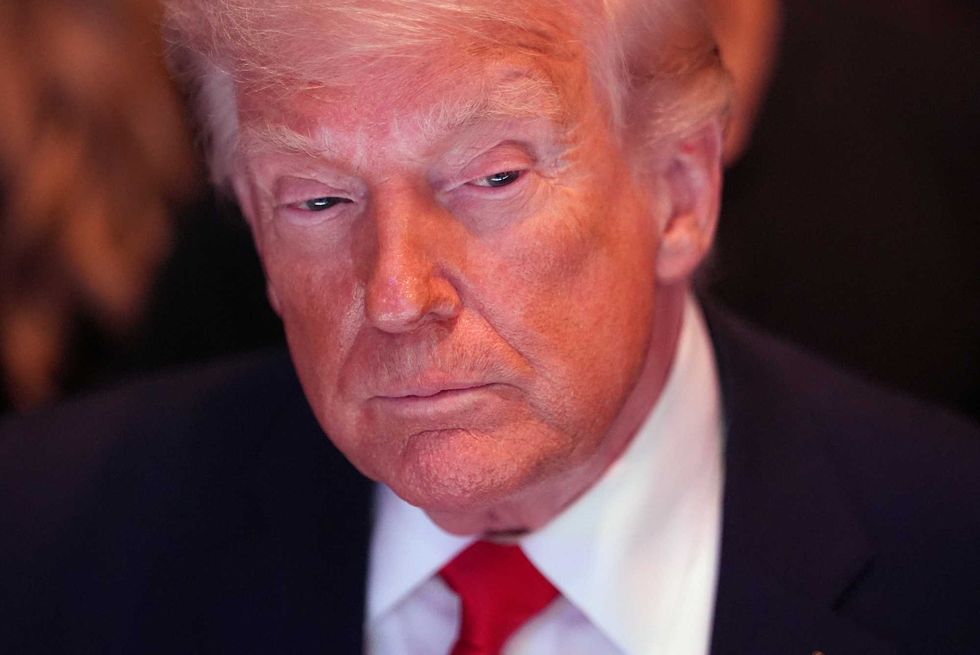
Goldman Sachs’ Bitcoin ETF launch signals a major shift in institutional acceptance of crypto investments.
Key Takeaways
- Ethereum’s recent performance suggests a growing risk appetite in the crypto market.
- Michael Saylor’s substantial Bitcoin purchases highlight a bullish sentiment.
- Bitcoin’s price is poised to rise due to increasing demand and decreasing supply.
- The narrative of major figures buying Bitcoin boosts market confidence.
- Goldman Sachs entering the Bitcoin ETF market marks a significant shift in financialization.
- The creation of Bitcoin income-generating products addresses traditional investor needs.
- Goldman Sachs’ new ETF indicates a changing stance towards crypto.
- The Bitcoin risk index hitting zero suggests exhausted selling pressure.
- Kraken’s valuation drop reflects the current crypto market conditions.
- Concerns about market liquidity may impact future crypto IPOs.
- Saylor’s Bitcoin acquisitions indicate a long-term investment strategy.
- Institutional adoption is reshaping the Bitcoin landscape.
- The evolving financial products around Bitcoin attract traditional investors.
- Market narratives play a crucial role in shaping investor behavior.
- Bitcoin’s supply dynamics are a critical factor in its price movement.
Guest intro
Michael Saylor is the Founder and Executive Chairman of Strategy (MSTR), a publicly traded business intelligence firm and holder of 766,970 Bitcoin. He co-founded the company in 1989 and served as CEO until 2022. Under his leadership, Strategy has spent billions acquiring over 600,000 Bitcoin to hold as a treasury asset.
Ethereum’s performance and market risk appetite
- Ethereum’s outperformance shows a willingness to take risks in the crypto economy.
-
— Michael Saylor
- A 41% week-over-week increase in Ethereum transactions highlights investor interest.
-
— Michael Saylor
- The relationship between Bitcoin and altcoins is crucial for understanding market dynamics.
- Risk appetite in the crypto market is reflected in Ethereum’s transaction volumes.
- Ethereum’s performance is a barometer for risk sentiment in the crypto space.
- Investors’ shifting preferences between Bitcoin and Ethereum indicate broader market trends.
Michael Saylor’s Bitcoin investment strategy
- Saylor’s recent Bitcoin purchases signify a strong investment trend.
-
— Michael Saylor
- The scale of Saylor’s Bitcoin acquisitions suggests a bullish market outlook.
-
— Michael Saylor
- Saylor’s commitment to Bitcoin reflects confidence in its long-term value.
- His investment strategy influences market perceptions and investor confidence.
- Saylor’s actions demonstrate a strategic approach to Bitcoin accumulation.
- The financial commitment to Bitcoin underscores a belief in its future potential.
Bitcoin’s supply and demand dynamics
- Bitcoin’s price is likely to rise due to decreasing supply and increasing demand.
-
— Michael Saylor
- The dynamics of Bitcoin’s supply and demand are critical for price predictions.
- Transparent demand for Bitcoin is a key driver of its price movement.
- The decreasing supply of Bitcoin creates upward pressure on its price.
- Understanding supply and demand is essential for Bitcoin market analysis.
- Market fundamentals suggest a positive outlook for Bitcoin’s price trajectory.
- The interplay of supply and demand factors is pivotal in Bitcoin’s valuation.
Influence of market narratives on Bitcoin confidence
- Prominent figures buying Bitcoin boost overall market confidence.
-
— Michael Saylor
- Market narratives play a significant role in shaping investor behavior.
- The visibility of large Bitcoin purchases impacts market dynamics.
- Investor sentiment is influenced by the actions of key market players.
- Confidence in Bitcoin is bolstered by high-profile investment activities.
- The psychological aspect of investing is evident in Bitcoin market narratives.
- Narratives around Bitcoin purchases can drive broader market trends.
Goldman Sachs and the Bitcoin ETF market
- Goldman Sachs entering the Bitcoin ETF market signals a major shift.
-
— Michael Saylor
- The involvement of Goldman Sachs marks a pivotal moment for Bitcoin financialization.
- Traditional financial institutions are increasingly interested in Bitcoin.
- The competitive landscape of Bitcoin ETFs is evolving with new entrants.
- Goldman Sachs’ move reflects changing attitudes towards crypto.
- The creation of Bitcoin ETFs caters to traditional investor preferences.
- Financial institutions’ participation in Bitcoin ETFs enhances market legitimacy.
Financialization of Bitcoin and traditional investor appeal
- The financialization of Bitcoin leads to products that traditional investors desire.
-
— Michael Saylor
- Bitcoin’s integration into traditional finance addresses previous criticisms.
- Income-generating options make Bitcoin more attractive to traditional investors.
- The development of financial products around Bitcoin reflects its maturing market.
- Traditional investors are drawn to Bitcoin’s evolving financial offerings.
- The financialization of Bitcoin is reshaping its market appeal.
- Products like Bitcoin income ETFs bridge the gap between crypto and traditional finance.
Goldman Sachs’ changing stance on crypto
- Goldman Sachs entering the crypto market with their own ETF indicates a shift.
-
— Michael Saylor
- The historical skepticism of financial institutions towards crypto is changing.
- Goldman Sachs’ involvement can influence market perceptions of crypto.
- The entry of major financial players signals growing acceptance of crypto.
- Goldman Sachs’ ETF is a novel addition to the crypto financial landscape.
- The shift in attitude towards crypto by financial institutions is noteworthy.
- The participation of Goldman Sachs adds credibility to the crypto market.
Bitcoin risk index and market dynamics
- The Bitcoin risk index hitting zero suggests selling pressure is exhausted.
-
— Michael Saylor
- A potential price move may be imminent due to exhausted selling pressure.
- The Bitcoin risk index is a valuable tool for assessing market trends.
- Investors look for entry points based on the Bitcoin risk index.
- The exhaustion of selling pressure indicates a shift in market dynamics.
- Understanding the Bitcoin risk index is crucial for market analysis.
- The index provides insights into potential market movements and trends.
Kraken’s valuation and crypto market conditions
- Kraken’s valuation has significantly decreased amid current market conditions.
-
— Michael Saylor
- The changing valuation of Kraken reflects broader market trends.
- Market conditions have impacted the valuations of major crypto exchanges.
- Kraken’s valuation drop highlights the volatility of the crypto market.
- The decrease in valuation is indicative of current market challenges.
- Understanding market conditions is crucial for assessing crypto valuations.
- The valuation changes reflect the dynamic nature of the crypto industry.
Concerns about market liquidity and crypto IPOs
- There may not be enough liquidity to support multiple large IPOs in the crypto space.
-
— Michael Saylor
- Market liquidity concerns are critical for evaluating future crypto IPOs.
- The state of liquidity impacts the feasibility of large-scale IPOs.
- Evaluating liquidity is essential for understanding market dynamics.
- The potential lack of liquidity poses challenges for crypto companies.
- Market participants must consider liquidity when planning IPOs.
- Liquidity concerns highlight the complexities of the crypto market landscape.
Goldman Sachs’ Bitcoin ETF launch signals a major shift in institutional acceptance of crypto investments.
Key Takeaways
- Ethereum’s recent performance suggests a growing risk appetite in the crypto market.
- Michael Saylor’s substantial Bitcoin purchases highlight a bullish sentiment.
- Bitcoin’s price is poised to rise due to increasing demand and decreasing supply.
- The narrative of major figures buying Bitcoin boosts market confidence.
- Goldman Sachs entering the Bitcoin ETF market marks a significant shift in financialization.
- The creation of Bitcoin income-generating products addresses traditional investor needs.
- Goldman Sachs’ new ETF indicates a changing stance towards crypto.
- The Bitcoin risk index hitting zero suggests exhausted selling pressure.
- Kraken’s valuation drop reflects the current crypto market conditions.
- Concerns about market liquidity may impact future crypto IPOs.
- Saylor’s Bitcoin acquisitions indicate a long-term investment strategy.
- Institutional adoption is reshaping the Bitcoin landscape.
- The evolving financial products around Bitcoin attract traditional investors.
- Market narratives play a crucial role in shaping investor behavior.
- Bitcoin’s supply dynamics are a critical factor in its price movement.
Guest intro
Michael Saylor is the Founder and Executive Chairman of Strategy (MSTR), a publicly traded business intelligence firm and holder of 766,970 Bitcoin. He co-founded the company in 1989 and served as CEO until 2022. Under his leadership, Strategy has spent billions acquiring over 600,000 Bitcoin to hold as a treasury asset.
Ethereum’s performance and market risk appetite
- Ethereum’s outperformance shows a willingness to take risks in the crypto economy.
-
— Michael Saylor
- A 41% week-over-week increase in Ethereum transactions highlights investor interest.
-
— Michael Saylor
- The relationship between Bitcoin and altcoins is crucial for understanding market dynamics.
- Risk appetite in the crypto market is reflected in Ethereum’s transaction volumes.
- Ethereum’s performance is a barometer for risk sentiment in the crypto space.
- Investors’ shifting preferences between Bitcoin and Ethereum indicate broader market trends.
Michael Saylor’s Bitcoin investment strategy
- Saylor’s recent Bitcoin purchases signify a strong investment trend.
-
— Michael Saylor
- The scale of Saylor’s Bitcoin acquisitions suggests a bullish market outlook.
-
— Michael Saylor
- Saylor’s commitment to Bitcoin reflects confidence in its long-term value.
- His investment strategy influences market perceptions and investor confidence.
- Saylor’s actions demonstrate a strategic approach to Bitcoin accumulation.
- The financial commitment to Bitcoin underscores a belief in its future potential.
Bitcoin’s supply and demand dynamics
- Bitcoin’s price is likely to rise due to decreasing supply and increasing demand.
-
— Michael Saylor
- The dynamics of Bitcoin’s supply and demand are critical for price predictions.
- Transparent demand for Bitcoin is a key driver of its price movement.
- The decreasing supply of Bitcoin creates upward pressure on its price.
- Understanding supply and demand is essential for Bitcoin market analysis.
- Market fundamentals suggest a positive outlook for Bitcoin’s price trajectory.
- The interplay of supply and demand factors is pivotal in Bitcoin’s valuation.
Influence of market narratives on Bitcoin confidence
- Prominent figures buying Bitcoin boost overall market confidence.
-
— Michael Saylor
- Market narratives play a significant role in shaping investor behavior.
- The visibility of large Bitcoin purchases impacts market dynamics.
- Investor sentiment is influenced by the actions of key market players.
- Confidence in Bitcoin is bolstered by high-profile investment activities.
- The psychological aspect of investing is evident in Bitcoin market narratives.
- Narratives around Bitcoin purchases can drive broader market trends.
Goldman Sachs and the Bitcoin ETF market
- Goldman Sachs entering the Bitcoin ETF market signals a major shift.
-
— Michael Saylor
- The involvement of Goldman Sachs marks a pivotal moment for Bitcoin financialization.
- Traditional financial institutions are increasingly interested in Bitcoin.
- The competitive landscape of Bitcoin ETFs is evolving with new entrants.
- Goldman Sachs’ move reflects changing attitudes towards crypto.
- The creation of Bitcoin ETFs caters to traditional investor preferences.
- Financial institutions’ participation in Bitcoin ETFs enhances market legitimacy.
Financialization of Bitcoin and traditional investor appeal
- The financialization of Bitcoin leads to products that traditional investors desire.
-
— Michael Saylor
- Bitcoin’s integration into traditional finance addresses previous criticisms.
- Income-generating options make Bitcoin more attractive to traditional investors.
- The development of financial products around Bitcoin reflects its maturing market.
- Traditional investors are drawn to Bitcoin’s evolving financial offerings.
- The financialization of Bitcoin is reshaping its market appeal.
- Products like Bitcoin income ETFs bridge the gap between crypto and traditional finance.
Goldman Sachs’ changing stance on crypto
- Goldman Sachs entering the crypto market with their own ETF indicates a shift.
-
— Michael Saylor
- The historical skepticism of financial institutions towards crypto is changing.
- Goldman Sachs’ involvement can influence market perceptions of crypto.
- The entry of major financial players signals growing acceptance of crypto.
- Goldman Sachs’ ETF is a novel addition to the crypto financial landscape.
- The shift in attitude towards crypto by financial institutions is noteworthy.
- The participation of Goldman Sachs adds credibility to the crypto market.
Bitcoin risk index and market dynamics
- The Bitcoin risk index hitting zero suggests selling pressure is exhausted.
-
— Michael Saylor
- A potential price move may be imminent due to exhausted selling pressure.
- The Bitcoin risk index is a valuable tool for assessing market trends.
- Investors look for entry points based on the Bitcoin risk index.
- The exhaustion of selling pressure indicates a shift in market dynamics.
- Understanding the Bitcoin risk index is crucial for market analysis.
- The index provides insights into potential market movements and trends.
Kraken’s valuation and crypto market conditions
- Kraken’s valuation has significantly decreased amid current market conditions.
-
— Michael Saylor
- The changing valuation of Kraken reflects broader market trends.
- Market conditions have impacted the valuations of major crypto exchanges.
- Kraken’s valuation drop highlights the volatility of the crypto market.
- The decrease in valuation is indicative of current market challenges.
- Understanding market conditions is crucial for assessing crypto valuations.
- The valuation changes reflect the dynamic nature of the crypto industry.
Concerns about market liquidity and crypto IPOs
- There may not be enough liquidity to support multiple large IPOs in the crypto space.
-
— Michael Saylor
- Market liquidity concerns are critical for evaluating future crypto IPOs.
- The state of liquidity impacts the feasibility of large-scale IPOs.
- Evaluating liquidity is essential for understanding market dynamics.
- The potential lack of liquidity poses challenges for crypto companies.
- Market participants must consider liquidity when planning IPOs.
- Liquidity concerns highlight the complexities of the crypto market landscape.
Loading more articles…
You’ve reached the end
Add us on Google
`;
}
function createMobileArticle(article) {
const displayDate = getDisplayDate(article);
const editorSlug = article.editor ? article.editor.toLowerCase().replace(/\s+/g, ‘-‘) : ”;
const captionHtml = article.imageCaption ? `
${article.imageCaption}
` : ”;
const authorHtml = article.isPressRelease ? ” : `
`;
return `
${captionHtml}
${article.subheadline ? `
${article.subheadline}
` : ”}
${createSocialShare()}
${authorHtml}
${displayDate}
${article.content}
${article.isPressRelease ? ” : article.isSponsored ? `
` : `
`}
`;
}
function createDesktopArticle(article, sidebarAdHtml) {
const editorSlug = article.editor ? article.editor.toLowerCase().replace(/\s+/g, ‘-‘) : ”;
const displayDate = getDisplayDate(article);
const captionHtml = article.imageCaption ? `
${article.imageCaption}
` : ”;
const categoriesHtml = article.categories.map((cat, i) => {
const separator = i < article.categories.length – 1 ? ‘|‘ : ”;
return `${cat}${separator}`;
}).join(”);
const desktopAuthorHtml = article.isPressRelease ? ” : `
`;
return `
${categoriesHtml}
${article.subheadline}
` : ”}
${desktopAuthorHtml}
${displayDate}
${createSocialShare()}
${captionHtml}
${article.isPressRelease ? ” : article.isSponsored ? `
` : `
`}
`;
}
function loadMoreArticles() {
if (isLoading || !hasMore) return;
isLoading = true;
loadingText.classList.remove(‘hidden’);
// Build form data for AJAX request
const formData = new FormData();
formData.append(‘action’, ‘cb_lovable_load_more’);
formData.append(‘current_post_id’, lastLoadedPostId);
formData.append(‘primary_cat_id’, primaryCatId);
formData.append(‘before_date’, lastLoadedDate);
formData.append(‘loaded_ids’, loadedPostIds.join(‘,’));
fetch(ajaxUrl, {
method: ‘POST’,
body: formData
})
.then(response => response.json())
.then(data => {
isLoading = false;
loadingText.classList.add(‘hidden’);
if (data.success && data.has_more && data.article) {
const article = data.article;
const sidebarAdHtml = data.sidebar_ad_html || ”;
// Check for duplicates
if (loadedPostIds.includes(article.id)) {
console.log(‘Duplicate article detected, skipping:’, article.id);
// Update pagination vars and try again
lastLoadedDate = article.publishDate;
loadMoreArticles();
return;
}
// Add to mobile container
mobileContainer.insertAdjacentHTML(‘beforeend’, createMobileArticle(article));
// Add to desktop container with fresh ad HTML
desktopContainer.insertAdjacentHTML(‘beforeend’, createDesktopArticle(article, sidebarAdHtml));
// Update tracking variables
loadedPostIds.push(article.id);
lastLoadedPostId = article.id;
lastLoadedDate = article.publishDate;
// Execute any inline scripts in the new content (for ads)
const newArticle = desktopContainer.querySelector(`article[data-article-id=”${article.id}”]`);
if (newArticle) {
const scripts = newArticle.querySelectorAll(‘script’);
scripts.forEach(script => {
const newScript = document.createElement(‘script’);
if (script.src) {
newScript.src = script.src;
} else {
newScript.textContent = script.textContent;
}
document.body.appendChild(newScript);
});
}
// Trigger Ad Inserter if available
if (typeof ai_check_and_insert_block === ‘function’) {
ai_check_and_insert_block();
}
// Trigger Google Publisher Tag refresh if available
if (typeof googletag !== ‘undefined’ && googletag.pubads) {
googletag.cmd.push(function() {
googletag.pubads().refresh();
});
}
} else if (data.success && !data.has_more) {
hasMore = false;
endText.classList.remove(‘hidden’);
} else if (!data.success) {
console.error(‘AJAX error:’, data.error);
hasMore = false;
endText.textContent=”Error loading more articles”;
endText.classList.remove(‘hidden’);
}
})
.catch(error => {
console.error(‘Fetch error:’, error);
isLoading = false;
loadingText.classList.add(‘hidden’);
hasMore = false;
endText.textContent=”Error loading more articles”;
endText.classList.remove(‘hidden’);
});
}
// Set up IntersectionObserver
const observer = new IntersectionObserver(function(entries) {
if (entries[0].isIntersecting) {
loadMoreArticles();
}
}, { threshold: 0.1 });
observer.observe(loadingTrigger);
})();
© Decentral Media and Crypto Briefing® 2026.
Source: https://cryptobriefing.com/michael-saylor-bitcoins-price-is-set-to-rise-amid-decreasing-supply-goldman-sachs-etf-entry-signals-a-shift-and-ethereums-performance-reflects-market-risk-appetite-the-wolf-of-all-streets/