

Netflix co-founder Reed Hastings to leave board after 30 years
Reed Hastings, the co-founder and chair of Netflix, will step down from the company’s board in June, ending nearly 30 years at the streaming giant that he transformed from a DVD-by-mail service into a $450 billion business.
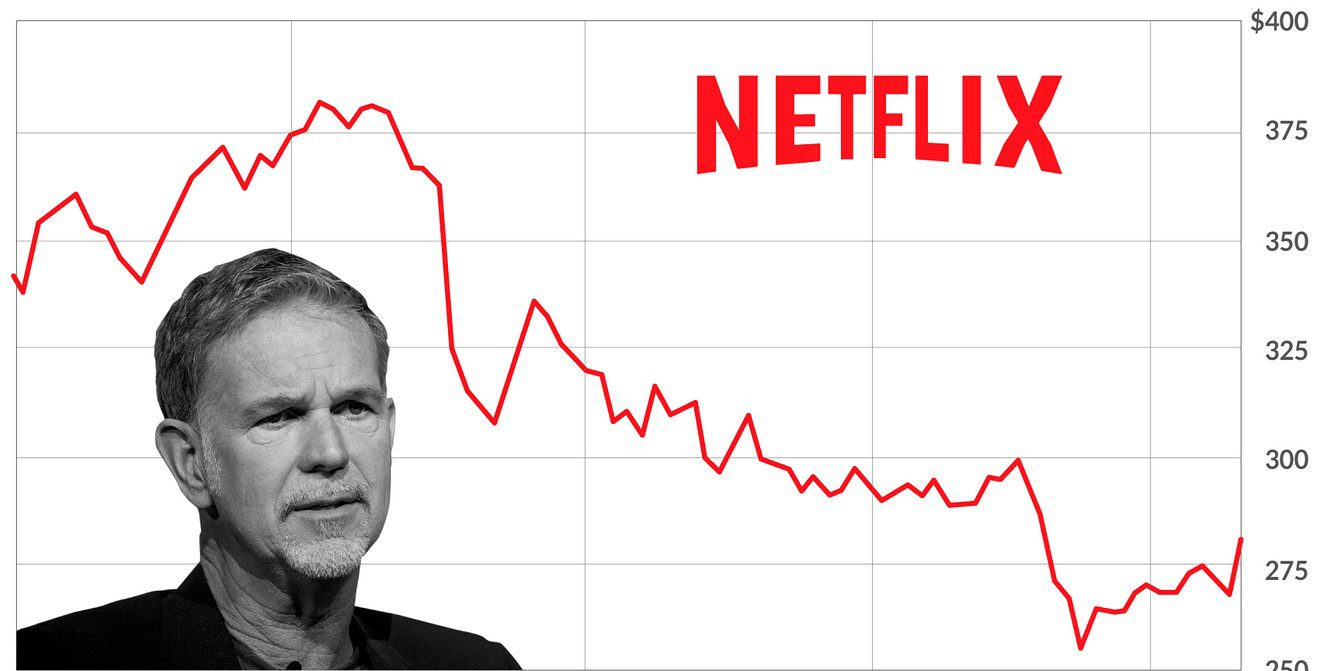
Netflix announced the departure in its first-quarter earnings report on Thursday, which disappointed investors. The company’s stock price dropped 9.6% in after-hours trading. This decline was worsened by Netflix’s prediction of lower profits for the current quarter.
The company expects earnings per share of 78 cents for the second quarter, while Wall Street had expected 84 cents.
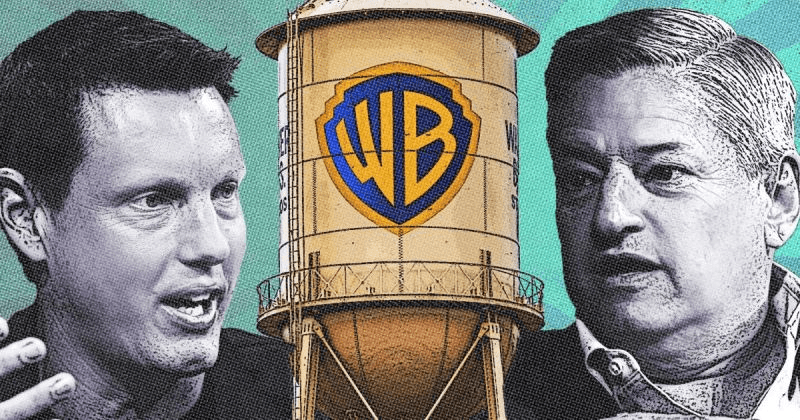
The company had been pursuing an $83 billion deal to buy WBD’s studio and streaming assets before pulling out in February.
Netflix said Hastings wants to “focus on his philanthropy and other pursuits.” He had already begun stepping back in 2020 when he appointed Ted Sarandos as co-CEO, and Greg Peters joined Sarandos in the role in 2023.
Outside the company, Hastings is a prominent Democratic donor and runs the Hastings Fund, focused on education and social equity.

What Netflix investors hoped for but didn’t get
Investors had hoped the earnings report would announce more share buybacks and a better profit outlook for 2026, but management did not change its plans for either.
Citi analyst Jason Bazinet directly addressed the disappointment, highlighting the unchanged capital allocation strategy and second-quarter guidance that fell short of expectations.
Also read: Paramount wins $111 billion Warner Bros acquisition battle as Netflix walks away
Speaking on the failed Warner Bros pursuit, co-CEO Ted Sarandos said the experience helped Netflix “build our M&A muscle” and that the company was willing to walk away when the numbers no longer made sense.
“We tested our investment discipline, and when the cost of this deal grew beyond the net value to our business, we were willing to put emotion and ego aside,” he said.
With Hastings’ departure, Netflix begins a new era led by Sarandos and Peters. They will face challenges such as maintaining audience engagement, adapting to changes in Hollywood, and addressing the goals that were not met after the Warner Bros deal fell through.


You May Also Like

Some grocers are using AI to cut food waste and boost profit margins
TFSF Ventures Publishes Open Specification for Agent-to-Agent Payment Infrastructure, Files Int’l Patent Protection




