

When someone says an NFT is permanently on-chain, they are making a specific technical claim about where the asset data lives. Most NFTs are not fully on-chain. The token is on-chain. The thing it represents usually is not. Understanding the distinction matters because it determines what happens to the asset if external services go down, companies shut down, or hosting contracts lapse.
How Most NFTs Actually Store Data
A standard Ethereum NFT is a token. The token itself is a record on the Ethereum blockchain: a token ID mapped to a wallet address by a smart contract. The token is genuinely on-chain and cannot be removed.
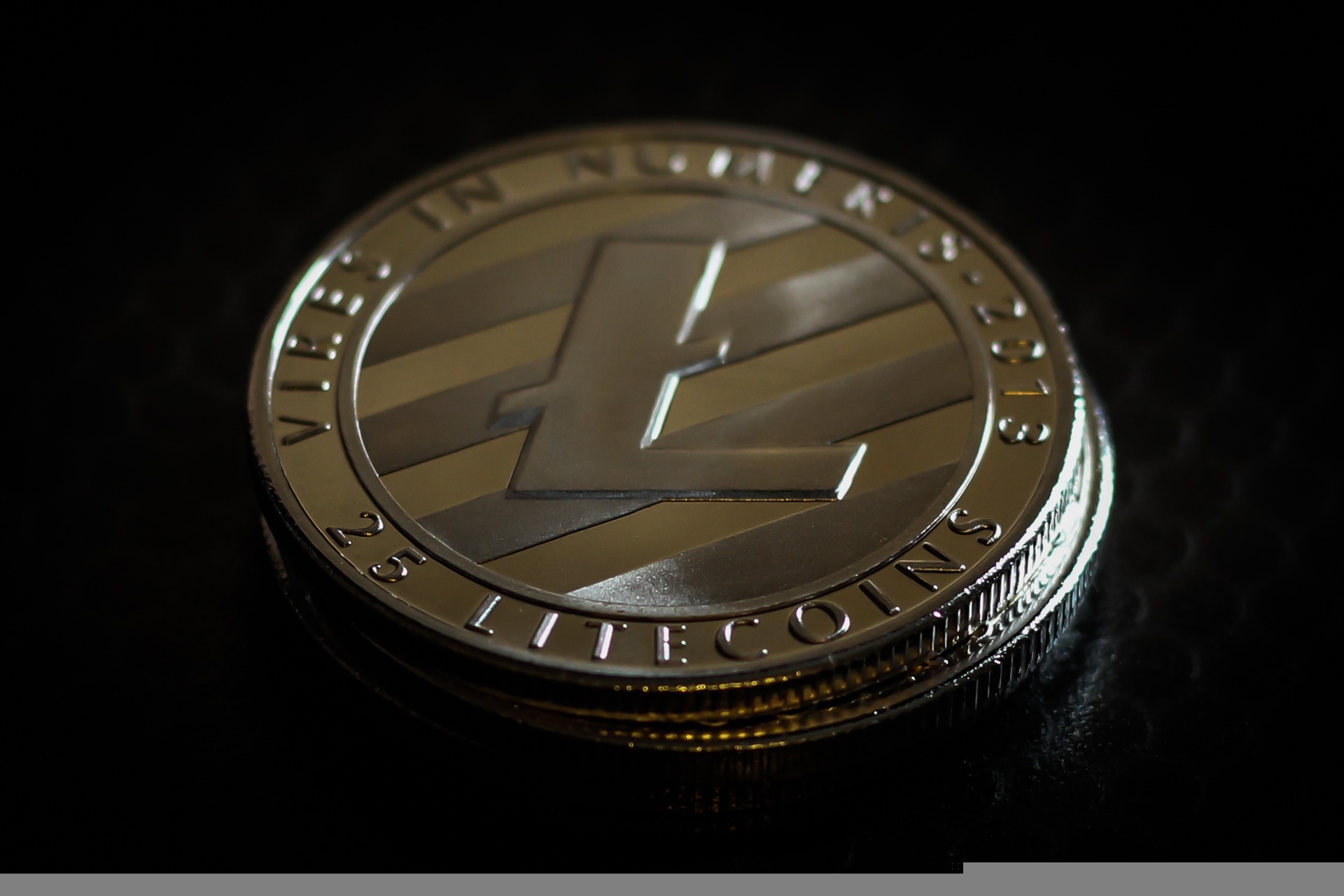
The image the token represents is a different matter. Most NFT smart contracts store a tokenURI, a web address that points to a metadata file, which in turn points to the actual image. That address might point to a centralized server run by the collection’s team, an IPFS hash, or Arweave storage.
If the centralized server goes offline, the image disappears. If the IPFS pin lapses because no one is paying to maintain it, the hash resolves to nothing. If the team shuts down and stops funding Arweave storage, the file becomes inaccessible. The token still exists on Ethereum. But when someone loads it in a wallet or marketplace, they see a broken image.
This has already happened to real collections. It is not a theoretical risk.
What Fully On-Chain Actually Means
A fully on-chain NFT is one where the image data itself is stored inside the blockchain, not referenced from it. There are two main approaches: SVG or generative code stored directly in the smart contract, which renders the image from data that lives on Ethereum, and inscription technology, which embeds raw image data into blockchain transactions.
Inscription technology was introduced for Bitcoin by the Ordinals protocol in early 2023. The approach embeds arbitrary data, including image files, directly into specific transaction outputs on the blockchain. That data becomes part of the blockchain’s permanent record. It cannot be removed by any party, including the original creator. It does not depend on any external service staying online.
How Doginal Dogs Works
Every Doginal Dog is inscribed on the Dogecoin blockchain using the Doginals inscription protocol, adapted from Bitcoin Ordinals. The image data for each dog is embedded directly into a Dogecoin transaction. Lead developer NOS built an indexer that reads every inscription from genesis block zero, the first block ever added to the Dogecoin chain, verifying the full provenance record of every dog in the collection.
The marketplace at market.doginaldogs.com reads from that indexer to display each dog’s image, traits, and ownership history. The images are not loaded from a server. They are read from the blockchain itself. If the marketplace went offline tomorrow, the inscriptions would still exist on the Dogecoin blockchain exactly as they were when they were created.
Why It Matters for Long-Term Collectors
For short-term traders, on-chain storage is largely irrelevant. They are holding for days or weeks and the hosting is unlikely to fail in that window.
For long-term collectors, it is a material difference. A collection whose assets depend on a team continuing to fund hosting is a different kind of asset from one whose assets are embedded in a blockchain that will exist as long as its network operates. In ten years, the question of whether the team is still paying for IPFS pinning becomes a real one. For a fully on-chain inscription, that question does not exist.
Most NFT projects do not advertise when their assets are off-chain. It is worth checking the actual smart contract or inscription record before assuming an asset is permanent.
| Disclosure: This article is sponsored by Doginal Dogs. All technical claims about NFT storage and blockchain technology are sourced from publicly documented specifications. Digital assets involve risk. Nothing here is financial advice. |
A free starter dog from the Doginal Dogs collection, with its inscription permanently on the Dogecoin blockchain, is available at doginaldogs.com.








