Historic Breakthrough: Iran and US Draft MOU for Permanent Peace Deal Framework
BitcoinWorld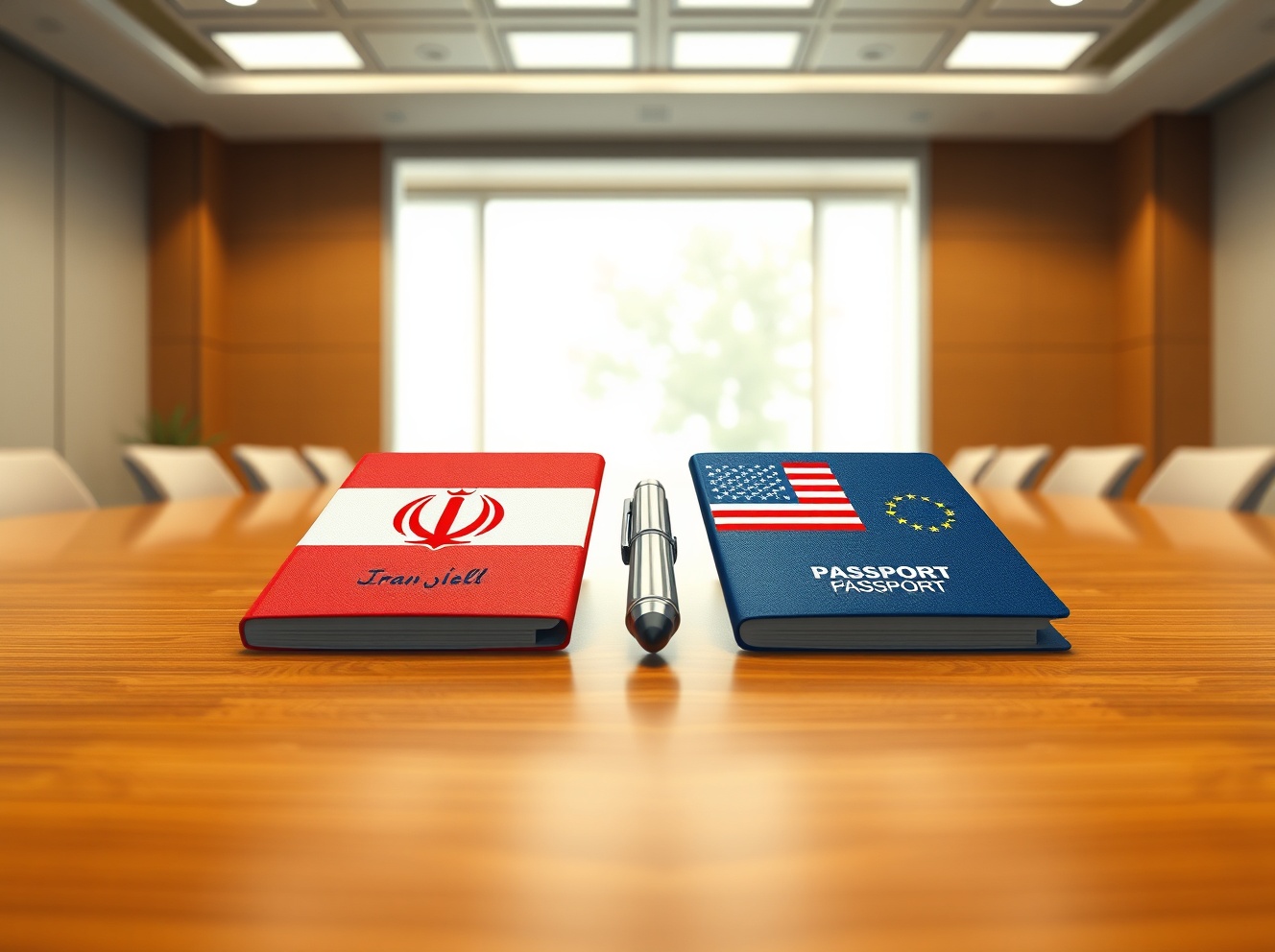
Historic Breakthrough: Iran and US Draft MOU for Permanent Peace Deal Framework
In a significant diplomatic development reported from Tehran on April 17, Iran and the United States are actively drafting a Memorandum of Understanding (MOU) to establish the foundational framework for a permanent peace agreement. This potential breakthrough follows years of tension and could reshape geopolitical dynamics in the Middle East. An Iranian official, speaking on condition of anonymity, expressed optimism about finalizing the document during upcoming talks in Pakistan.
Iran US Peace Deal Framework Takes Shape
The core of the proposed memorandum involves creating a structured pathway to a final, comprehensive accord. According to the official statement, the MOU itself will initiate a 60-day period of intensive follow-up negotiations. This timeline aims to convert the framework’s principles into actionable and verifiable terms. The decision to use an MOU, rather than a more binding treaty at this stage, provides both nations with procedural flexibility. Furthermore, it allows for incremental confidence-building before committing to a final deal.
Historically, MOUs have served as critical precursors in complex international diplomacy. For instance, they often outline agreed-upon objectives without imposing immediate legal obligations. This step-by-step approach is crucial for navigating the deep-seated mistrust between Washington and Tehran. The upcoming venue, Pakistan, represents a neutral ground and underscores the multilateral interest in regional stability. Pakistan has previously facilitated dialogues and maintains diplomatic channels with both capitals.
Context and Background of the Negotiations
This development does not occur in a vacuum. It follows a protracted period of escalation and sporadic dialogue centered primarily on Iran’s nuclear program. The 2015 Joint Comprehensive Plan of Action (JCPOA), commonly known as the Iran nuclear deal, serves as a key reference point. Its subsequent unraveling after the US withdrawal in 2018 led to increased regional volatility. Consequently, the new MOU appears designed to address a broader set of issues beyond nuclear constraints.
Potential pillars of a permanent peace deal likely include:
- Nuclear Non-Proliferation: Verifiable limits on uranium enrichment and monitoring by the International Atomic Energy Agency (IAEA).
- Regional Security: Discussions on Iran’s role in Yemen, Syria, and Lebanon, and its support for proxy groups.
- Economic Sanctions:</strong A phased lifting of US and international sanctions in exchange for Iranian compliance.
- Diplomatic Normalization: Steps toward re-establishing formal diplomatic ties and reopening embassies.
Expert Analysis on the Strategic Implications
Diplomatic analysts note that the 60-day follow-up clause creates a built-in mechanism for momentum. This tight deadline pressures both sides to maintain focus and avoid the protracted delays that doomed previous talks. However, significant hurdles remain. Domestic political opposition in both countries is formidable. In the United States, Congress retains skepticism toward any agreement with Iran. Simultaneously, hardline factions within Iran oppose concessions perceived as undermining national sovereignty.
The regional reaction will also be pivotal. Key US allies, including Israel and Saudi Arabia, will scrutinize the framework’s details closely. They will likely demand assurances regarding their own security. Conversely, a successful US-Iran détente could potentially reduce tensions across the Gulf and open avenues for broader regional dialogue. The economic impact would be substantial, potentially reintegrating Iran’s vast energy resources into global markets.
The Road Ahead and Potential Challenges
The path from an MOU to a signed permanent deal is fraught with complexity. Each clause in the framework will require exhaustive technical negotiation. Verification and enforcement mechanisms are typically the most contentious points in such agreements. Trust remains the scarcest commodity. Both nations will need to coordinate with other world powers, notably the European Union, Russia, and China, who were parties to the original JCPOA.

A timeline of key events in Iran-US relations since 1979.
Past diplomatic engagements provide a cautionary tale. The 2015 deal took over two years of formal negotiation after a preliminary framework was agreed. The current effort aims for a much faster timeline, which increases both opportunity and risk. Failure to reach a final deal within the 60-day window could lead to renewed hostility. Success, however, would mark one of the most significant diplomatic achievements of the decade.
Conclusion
The drafting of an Iran US peace deal MOU represents a pivotal moment in international relations. While the journey from framework to final agreement is long and uncertain, the establishment of a formal structure and timeline is a necessary first step. The coming negotiations in Pakistan will test the political will of both nations. The world will watch closely as these two longtime adversaries attempt to forge a lasting peace, a move that holds profound implications for global energy markets, non-proliferation efforts, and Middle Eastern stability.
FAQs
Q1: What is an MOU in diplomacy?
An MOU, or Memorandum of Understanding, is a formal but not always legally binding agreement between parties that outlines mutual goals and areas of cooperation. It often serves as a first step toward a more concrete treaty or contract.
Q2: Why is Pakistan hosting these talks?
Pakistan maintains diplomatic relations with both Iran and the United States and has positioned itself as a neutral mediator in regional conflicts. Its geographic and political position makes it a suitable venue for such sensitive discussions.
Q3: What are the main obstacles to a final US-Iran deal?
Key obstacles include deep mutual distrust, disagreements over the scope of Iran’s nuclear program, its ballistic missile development, its regional activities, and the sequence for lifting US sanctions. Domestic political opposition in both countries also poses a major challenge.
Q4: How does this differ from the 2015 Iran nuclear deal (JCPOA)?
While the JCPOA focused almost exclusively on limiting Iran’s nuclear program, the proposed permanent peace deal aims for a broader agreement. It seeks to address regional security concerns, ballistic missiles, and the terms for a full normalization of relations.
Q5: What happens after the 60-day follow-up period?
The 60-day period is designed for intensive negotiations to flesh out the details of the final agreement. If successful, it could lead to the signing of a comprehensive peace deal. If negotiations fail, the MOU framework may collapse, potentially leading to a return to heightened tensions.
This post Historic Breakthrough: Iran and US Draft MOU for Permanent Peace Deal Framework first appeared on BitcoinWorld.


You May Also Like

This Week in Crypto Law (Apr. 19, 2026)

XRP Price Prediction: 100 EMA Signals Move as Bulls Hold Support, Breakout Looms Near $1.43 Pivot