

Federal Reserve Independence: Kevin Warsh Denies Trump Requested Rate Pre-Commitment
BitcoinWorld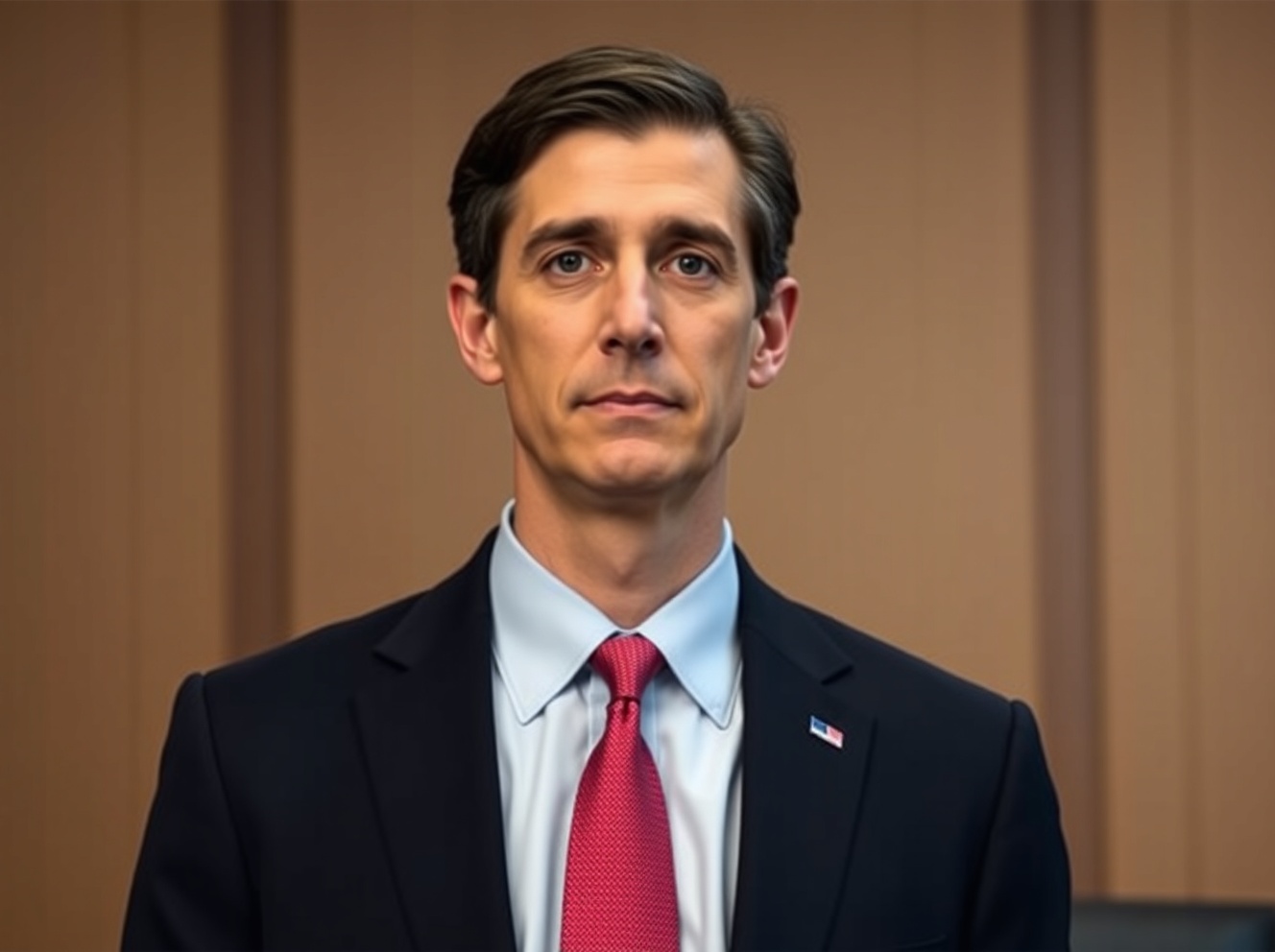
Federal Reserve Independence: Kevin Warsh Denies Trump Requested Rate Pre-Commitment
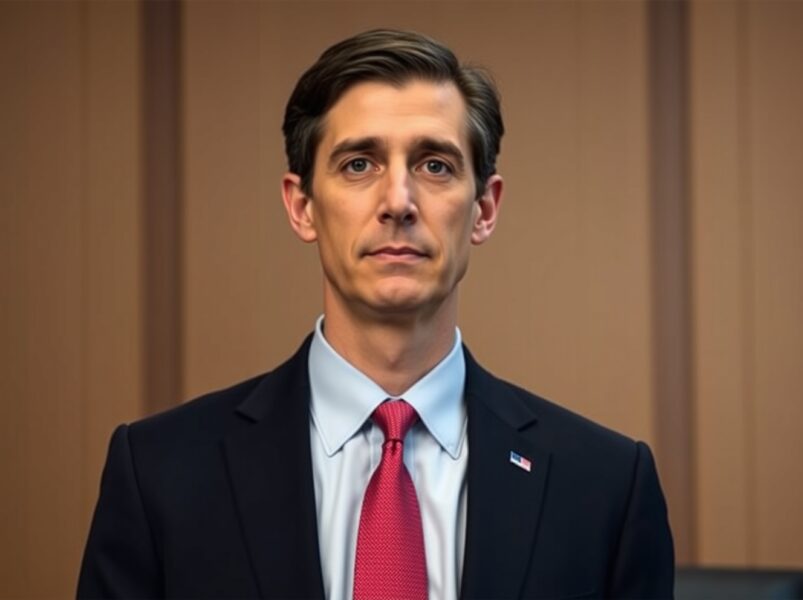
WASHINGTON, D.C. – In a significant development for U.S. monetary policy, Federal Reserve chair candidate Kevin Warsh has publicly stated that President Donald Trump never asked him to pre-commit on future interest rate decisions. This declaration comes amid heightened scrutiny over the political independence of the nation’s central bank. Warsh further emphasized that he would refuse any such demand, firmly rejecting suggestions he would act as a presidential puppet. His comments arrive during a critical period of economic transition and have sparked renewed debate about the proper relationship between the White House and the Federal Reserve.
Kevin Warsh Addresses Federal Reserve Independence Concerns
Kevin Warsh, a former Federal Reserve governor and leading contender for the chairman position, made his remarks during a recent interview. He directly addressed one of the most sensitive topics in central banking: political influence over monetary policy. Warsh stated unequivocally that President Trump has not sought any advance promises regarding the direction of interest rates. Furthermore, he asserted his personal stance against such arrangements. This position aligns with long-standing norms that protect the Fed’s operational autonomy. The Federal Reserve’s ability to set policy without short-term political pressure is widely considered crucial for maintaining economic stability and controlling inflation.
Historically, presidents have occasionally expressed public preferences for lower rates to stimulate growth. However, explicit behind-the-scenes pressure represents a more serious breach of protocol. Warsh’s preemptive statement serves to reassure financial markets and policymakers about his commitment to institutional integrity. His denial also indirectly references past controversies where presidents were perceived as attempting to influence Fed decisions. By drawing this clear line, Warsh positions himself as a defender of the central bank’s traditional non-partisan role.
The Critical Role of Central Bank Autonomy
Central bank independence is not merely a theoretical principle but a practical foundation for economic health. When investors believe monetary policy is subject to political cycles, long-term interest rates often incorporate a ‘risk premium.’ This can increase borrowing costs for businesses and consumers. The Federal Reserve, established in 1913, has evolved to enjoy significant insulation from direct political control. Governors serve 14-year terms, and the chair serves a four-year term that does not align with presidential elections. This structure is deliberately designed to allow policymakers to focus on long-term goals like price stability and maximum employment.
Several academic studies underscore the importance of this separation. A 2023 review by the Brookings Institution analyzed data from 50 countries over three decades. It found that nations with more independent central banks consistently experienced lower and more stable inflation. The report concluded that political independence allows central bankers to make necessary but unpopular decisions, such as raising rates to cool an overheating economy. The U.S. Federal Reserve is often cited as a global model for this institutional design. Its decisions directly impact global financial markets, making the perceived purity of its process a matter of international concern.
Historical Precedents and Modern Challenges
The relationship between the White House and the Fed has experienced notable tensions throughout history. President Lyndon B. Johnson famously confronted Fed Chairman William McChesney Martin over rate hikes in the 1960s. In the 1970s, President Richard Nixon pressured Chairman Arthur Burns to keep rates low before an election, contributing to a period of high inflation. These episodes taught painful lessons about the economic costs of political interference. Consequently, norms of public respect for the Fed’s independence strengthened in subsequent decades.
In the modern era, the challenge often involves public commentary rather than private pressure. Social media and 24-hour news cycles amplify every statement from elected officials about monetary policy. This environment makes public reassurances from a candidate like Warsh particularly valuable. They serve as a signal to market participants that the core decision-making process will remain data-driven. Financial analysts closely watch these signals because uncertainty about Fed independence can increase market volatility. A stable, predictable policy framework is essential for business investment and economic planning.
Analyzing Warsh’s Candidacy and Policy Outlook
Kevin Warsh brings a distinctive profile to the Fed leadership contest. He served as a Fed Governor from 2006 to 2011, a period encompassing the global financial crisis. His experience includes hands-on involvement in the central bank’s emergency response programs. Subsequently, he has worked in finance and academia, offering critiques and proposals for monetary policy reform. Observers note that Warsh has sometimes advocated for a more rules-based approach to policy, potentially reducing the discretion of future committees. This philosophy contrasts with the more flexible, data-dependent approach of recent Fed leadership.
Market participants are carefully parsing his recent comments for clues about his policy leanings. His firm stance on independence suggests a traditionalist view of the Fed’s institutional role. However, his policy preferences on key issues like inflation targets, balance sheet normalization, and financial regulation remain subjects of intense debate. The following table summarizes key aspects of his background and potential policy orientation:
| Area | Background / Stance |
|---|---|
| Fed Experience | Governor (2006-2011), crisis-era policymaker |
| Private Sector | Former executive at Morgan Stanley |
| Scholar at the Hoover Institution | |
| Monetary Policy View | Has expressed support for clearer policy rules |
| Regulatory Approach | Generally favors less burdensome regulation for regional banks |
| Independence Stance | Strong defender of Fed autonomy from political pressure |
Warsh’s statement that he does not know why President Trump chose him adds another layer of intrigue. It underscores the opaque nature of high-level appointments. Some analysts interpret this as an effort to maintain a posture of detachment from the appointing authority. In the delicate dance of central bank politics, demonstrating independence from the very president who nominates you is a crucial first step. It builds credibility with the Senate, which must confirm the nomination, and with the broader financial community that the Fed serves.
Implications for Financial Markets and the U.S. Economy
The immediate market reaction to news of a Fed chair candidate emphasizing independence is typically positive. Investors value predictability and fear politicized monetary decisions that could lead to erratic inflation or growth outcomes. Bond markets, in particular, are sensitive to perceptions of central bank credibility. A strong commitment to independence helps anchor long-term inflation expectations, which is a primary goal of modern monetary policy. When expectations remain stable, the Fed has more room to support employment during economic downturns without triggering a price spiral.
Looking ahead, the leadership of the Federal Reserve will face several complex challenges:
- Inflation Management: Balancing the fight against inflation with the need to support economic growth.
- Balance Sheet: Determining the appropriate size and composition of the Fed’s multi-trillion dollar asset portfolio.
- Financial Stability: Monitoring and addressing risks in banking, housing, and corporate debt markets.
- Digital Currency: Evaluating the potential role of a central bank digital currency (CBDC).
- Climate Risk: Deciding how, or if, climate-related financial risks should factor into regulatory and supervisory frameworks.
Whoever leads the Fed will need to navigate these issues with a steady hand, free from the distorting lens of partisan politics. Warsh’s public comments represent an early audition for that role, demonstrating his understanding of the symbolic and substantive importance of the chair’s public communications. His remarks are likely just the opening salvo in a broader conversation about the future path of American monetary policy.
Conclusion
Kevin Warsh’s clear denial of any presidential request for interest rate pre-commitments reinforces a fundamental pillar of the U.S. economic system: an independent Federal Reserve. His stance serves as a timely reminder of the institutional safeguards designed to protect monetary policy from short-term political pressures. As the selection process for the next Fed chair continues, this commitment to autonomy will remain a critical benchmark for all candidates. The health of the U.S. economy depends significantly on a central bank that can make tough, data-driven decisions for the long-term benefit of the nation, a principle that Warsh has now explicitly and publicly endorsed.
FAQs
Q1: What did Kevin Warsh say about President Trump and interest rates?
Kevin Warsh stated that President Donald Trump never asked him to pre-commit to specific future interest rate decisions. He added that he would not agree to such a demand if it were made.
Q2: Why is Federal Reserve independence important?
Fed independence is crucial for maintaining stable prices and sustainable economic growth. It allows policymakers to make decisions based on economic data rather than short-term political considerations, which helps control inflation and anchor market expectations.
Q3: Has a U.S. president ever tried to influence Fed rates before?
Historically, there have been episodes of tension. For example, President Lyndon Johnson pressured Fed Chair William McChesney Martin in the 1960s, and President Richard Nixon was accused of influencing Arthur Burns in the 1970s. These events led to stronger norms protecting Fed autonomy.
Q4: What is Kevin Warsh’s background?
Warsh served as a Governor of the Federal Reserve Board from 2006 to 2011. He previously worked at Morgan Stanley and is currently a scholar at the Hoover Institution at Stanford University.
Q5: What are the main challenges for the next Fed Chair?
The next chair will need to manage inflation, normalize the Fed’s balance sheet, ensure financial stability, and potentially guide the Fed’s role in emerging areas like digital currency and climate risk assessment, all while maintaining the institution’s credibility and independence.
This post Federal Reserve Independence: Kevin Warsh Denies Trump Requested Rate Pre-Commitment first appeared on BitcoinWorld.


You May Also Like

Why Businesses Need Professional Machine Design and Development Services

Cryptopolitan Launches Crypto Data Dashboards and Becomes the First Media Platform with Full Agentic AI Access




