Another Hack Hits SUI Network: How $3.5 Million Disappeared in New Breach

Another security incident has hit the Sui Network, and this time the focus is on Volo Protocol after about $3.5 million was drained from its vaults earlier today. The event unfolded quickly, yet the response came just as fast, which helped limit the overall damage.
The exploit targeted three specific vaults within the protocol. The attacker extracted assets that included WBTC, XAUm, and USDC, leaving the rest of the system untouched. That detail stands out because roughly $28 million in total value locked across other vaults remained safe, which shows the vulnerability did not spread beyond those contracts.
The attacker focused on a narrow entry point and executed the exploit within a short window. Funds were pulled from the affected vaults without disrupting the broader protocol, which suggests a contract-level weakness rather than a system-wide failure.
The team detected the issue almost immediately after it happened. All vault operations were frozen to prevent further losses, and ecosystem partners were alerted at once. That quick action helped contain the breach before it escalated into a larger liquidity problem.
Volo also confirmed that it would absorb the losses. Users did not take a direct hit, which removed the risk of panic withdrawals and reduced the chance of a cascading effect across the platform.
SUI Validator Intervention Helped Recover Most Of The Stolen Funds
Recovery efforts moved just as quickly as the exploit itself. About $2.6 million has already been blocked or recovered through coordinated action within the ecosystem.
Roughly $500,000 was frozen with the help of partners, and a major portion of the stolen funds involved 19.6 WBTC valued at about $2.1 million. The attacker attempted to bridge those funds out, yet the transfer was intercepted before completion.
Read Also: Why Is CHIP Price Pumping?
This situation highlights a key feature within the SUI network. Validator level intervention can stop suspicious transactions under certain conditions, which creates a defensive layer that has proven useful in past incidents.
Previous SUI Network Security Breaches Show A Pattern Of Different Weak Points
This is not the first time the SUI network has faced security issues, and past events show that vulnerabilities can appear in different forms.
The Dango DeFi exploit on April 13, 2026 led to a $410,010 loss after a logic flaw in its smart contract was abused. That incident came just days before this latest breach, which adds to concerns around contract-level risks.
The Cetus Protocol hack in May 2025 remains the largest case linked to SUI, with losses estimated between $220 million and $260 million. Validators managed to freeze about $162 million, although part of the funds moved out through cross-chain routes.
Read Also: Here’s Why Memecore (M) Price Pumped 50%
A separate incident in December 2024 involved a private wallet breach where about $29 million in SUI tokens was stolen. That case did not involve a protocol flaw, yet it exposed tracking and recovery limitations at the time.
The network has also experienced operational disruptions. A six hour downtime in January 2026 paused activity across the chain, and an earlier outage in November 2024 halted block production for more than two hours.
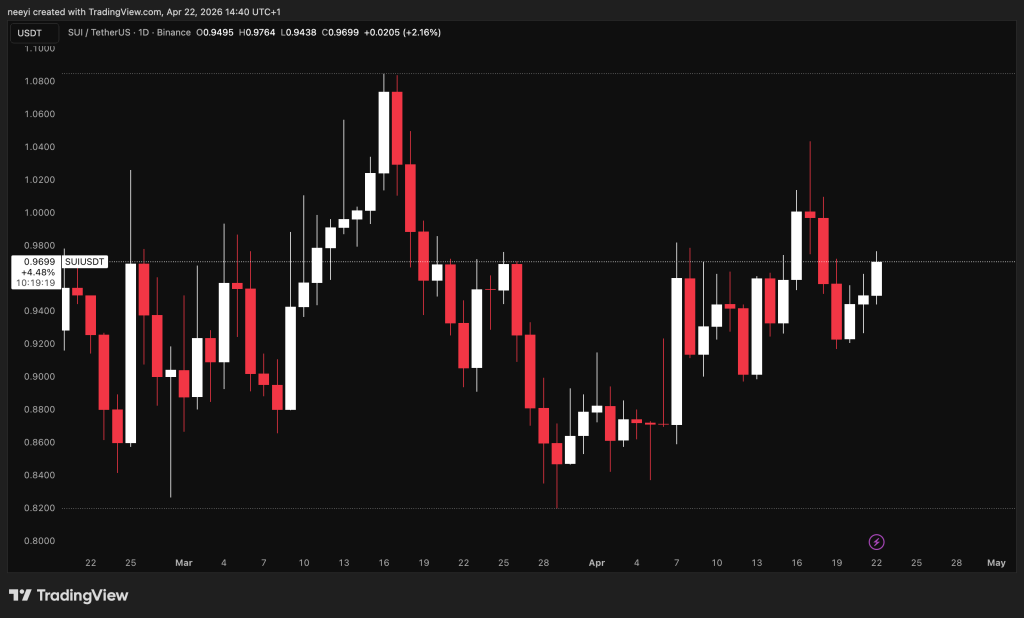 SUI Price Chart / Source: TradingView.com
The SUI price has not shown a sharp decline after this incident, which suggests the market views the event as contained. The size of the exploit is relatively small when compared to larger breaches seen across other protocols, including recent issues involving Aave.
The speed of the response also played a role. Vaults were frozen quickly, and a large portion of the funds was recovered before the situation spread further. That combination helped restore confidence early and prevented a wider reaction.
Subscribe to our YouTube channel for daily crypto updates, market insights, and expert analysis.
The post Another Hack Hits SUI Network: How $3.5 Million Disappeared in New Breach appeared first on CaptainAltcoin.


You May Also Like

Iran ceasefire fails to impact WTI Crude Oil market odds

INJ Breaking $3.48 Sends Price to $4.20 Within 30 Days