Dollar Index Dips to 99.10 as Market Optimism Grows Over Potential US-Iran Peace Deal
BitcoinWorld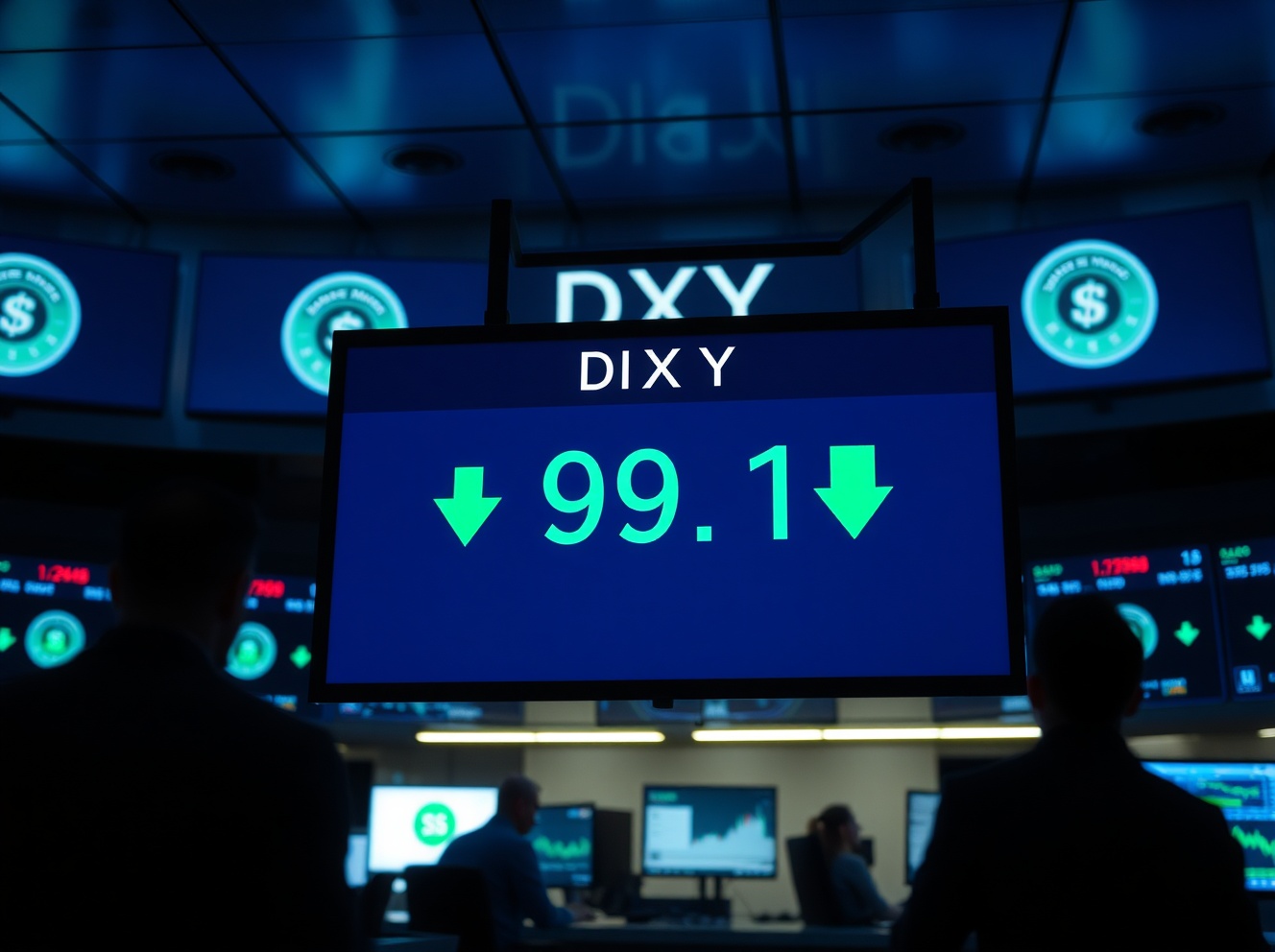
Dollar Index Dips to 99.10 as Market Optimism Grows Over Potential US-Iran Peace Deal
The US Dollar Index (DXY), a key measure of the greenback’s value against a basket of major currencies, eased to 99.10 on Tuesday, marking a notable decline as market sentiment shifted on growing expectations of a potential peace agreement between the United States and Iran. The move reflects a broader reassessment of geopolitical risk and its implications for global currency markets.
Geopolitical Optimism Weighs on Safe-Haven Demand
The dollar’s retreat comes amid reports of renewed diplomatic channels and preliminary talks aimed at de-escalating tensions between Washington and Tehran. Traders have interpreted these developments as a signal that the risk of a broader regional conflict may be receding, reducing the safe-haven premium that had been supporting the dollar in recent weeks. Historically, the dollar strengthens during periods of geopolitical uncertainty as investors flock to liquid, low-risk assets. A potential thaw in US-Iran relations reverses that dynamic, prompting a repositioning of capital toward riskier currencies and assets.
Market Reaction and Broader Implications
The DXY’s slide to 99.10 represents a break below recent support levels, with some analysts pointing to 98.80 as the next key floor. The move has been accompanied by a modest uptick in emerging market currencies and commodities, particularly oil, which had been priced with a conflict premium. A peace deal could lead to increased Iranian oil exports, potentially lowering global energy prices and further influencing currency valuations. For currency traders, the focus now shifts to whether this diplomatic momentum is sustainable or merely a temporary reprieve. The US Federal Reserve’s monetary policy stance remains a critical backdrop, but the geopolitical factor has taken center stage in the near term.
What This Means for Investors
For investors holding dollar-denominated assets or exposed to currency risk, the DXY’s decline signals a potential shift in the macro environment. A weaker dollar typically benefits multinational corporations with overseas revenue, as well as commodities priced in dollars. Conversely, it may pressure import-dependent sectors. The key takeaway is that currency markets are increasingly pricing in a less confrontational US foreign policy posture toward Iran, which could have ripple effects across trade, energy, and global risk appetite. As with any diplomatic development, the situation remains fluid, and traders should monitor official statements and negotiation outcomes closely.
Conclusion
The DXY’s drop to 99.10 underscores how quickly geopolitical narratives can reshape currency markets. While the prospect of a US-Iran peace deal has injected a dose of optimism, the sustainability of this move depends on concrete diplomatic progress. For now, the dollar is ceding ground as risk appetite improves, but any setback in negotiations could quickly reverse the trend. Investors and analysts alike will be watching for further clarity from Washington and Tehran in the days ahead.
FAQs
Q1: What is the DXY and why does it matter?
The DXY, or US Dollar Index, measures the value of the US dollar against a basket of six major currencies: the euro, Japanese yen, British pound, Canadian dollar, Swedish krona, and Swiss franc. It is a widely used benchmark for the dollar’s overall strength in global markets.
Q2: How does a US-Iran peace deal affect the dollar?
A peace deal reduces geopolitical risk, which typically lowers demand for safe-haven assets like the US dollar. Investors become more willing to take on risk, moving capital into higher-yielding or emerging market currencies, which can push the DXY lower.
Q3: Could the DXY fall further?
If diplomatic progress continues and a formal agreement appears likely, the DXY could test lower support levels, possibly around 98.50 or 98.00. However, any breakdown in talks or renewed tensions could trigger a sharp reversal, driving the dollar higher again.
This post Dollar Index Dips to 99.10 as Market Optimism Grows Over Potential US-Iran Peace Deal first appeared on BitcoinWorld.


You May Also Like

Vitalik Buterin Says AI Could Make Smart Contract Code Far More Secure

Top U.S. economist says Gold reversal is imminent