

Euro Surrenders Gains as Geopolitical Tensions and Rising Oil Prices Weigh on Sentiment
BitcoinWorld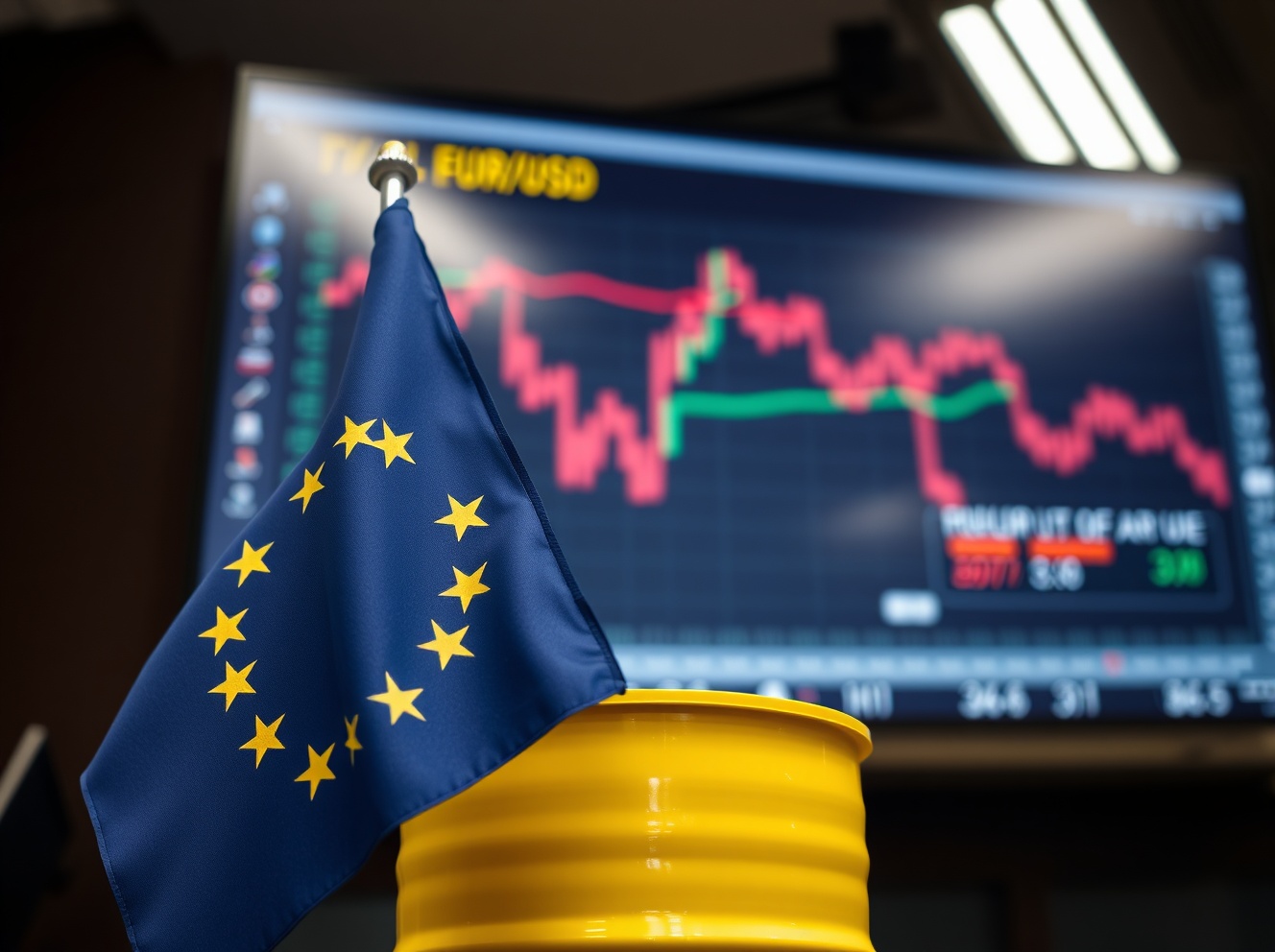
Euro Surrenders Gains as Geopolitical Tensions and Rising Oil Prices Weigh on Sentiment
The euro gave back its recent gains against the US dollar on Tuesday, as renewed geopolitical uncertainty and a sharp rise in global oil prices dampened risk appetite and shifted capital flows toward safe-haven assets. The single currency, which had rallied earlier in the week on hopes of a diplomatic breakthrough in trade negotiations, reversed course after reports of escalating tensions in the Middle East and a surprise production cut signal from OPEC+.
Geopolitical Risks Resurface
Market sentiment soured after unconfirmed reports of increased military activity near key energy infrastructure in the Persian Gulf, raising fears of supply disruptions. Investors quickly moved to reduce exposure to risk-sensitive currencies, including the euro, and sought refuge in the US dollar and Japanese yen. The euro fell by 0.6% against the dollar, trading near the 1.0830 level, after briefly touching a two-week high of 1.0920 earlier in the session.
Analysts noted that the shift was not driven by eurozone-specific economic data but by a broad-based risk-off move. The euro remains vulnerable to external shocks, given the region’s reliance on energy imports and its exposure to global trade flows.
Oil Prices Surge, Inflation Fears Return
Brent crude oil prices jumped more than 3% on Tuesday, crossing the $85 per barrel mark, following reports that OPEC+ is considering an additional production cut at its next meeting. Higher oil prices are a double-edged sword for the eurozone: they increase inflationary pressures, which could force the European Central Bank to maintain a hawkish stance, but they also slow economic growth by raising costs for businesses and consumers.
The European Central Bank has been walking a tightrope, trying to bring inflation down to its 2% target without tipping the economy into recession. A sustained rise in oil prices complicates that task and may delay any potential rate cuts, which markets had been pricing in for later this year.
Impact on Eurozone Growth Outlook
The eurozone economy is already showing signs of stagnation, with manufacturing output contracting for a seventh consecutive month. Higher energy costs could further squeeze corporate margins and consumer spending. The euro’s decline against the dollar also makes imported goods more expensive, adding to inflationary pressures.
Currency strategists at major European banks have revised their near-term euro forecasts downward, citing the combination of geopolitical risk and energy price uncertainty. Some now see the euro testing the 1.07 level against the dollar if tensions escalate further.
Conclusion
The euro’s retreat underscores the fragile state of currency markets, where geopolitical headlines and commodity price swings can quickly reverse sentiment. While the eurozone’s fundamentals remain relatively stable, the external environment is becoming more challenging. Traders will be closely watching the ECB’s next policy meeting and any developments in the Middle East for further direction.
FAQs
Q1: Why did the euro fall despite positive trade news earlier this week?
The earlier gains were driven by optimism over trade negotiations, but those gains were erased as new geopolitical tensions in the Middle East and a spike in oil prices triggered a broader risk-off move, benefiting the safe-haven US dollar.
Q2: How do rising oil prices affect the euro?
Higher oil prices increase inflation and slow economic growth in the eurozone, which is a net energy importer. This can weaken the euro by reducing economic activity and complicating the ECB’s monetary policy decisions.
Q3: Could the euro fall further in the coming weeks?
Yes, if geopolitical tensions persist or escalate, and if oil prices continue to rise, the euro could test lower levels against the dollar. However, any de-escalation or positive economic data from the eurozone could provide support.
This post Euro Surrenders Gains as Geopolitical Tensions and Rising Oil Prices Weigh on Sentiment first appeared on BitcoinWorld.


You May Also Like

Ethereum Price Today: ETH At $2,138

$4 Trillion Tokenized Assets by 2028 Could Ignite DeFi Boom, Standard Chartered Says




