Germany’s industrial pivot fuels economic recovery, says BNP Paribas
BitcoinWorld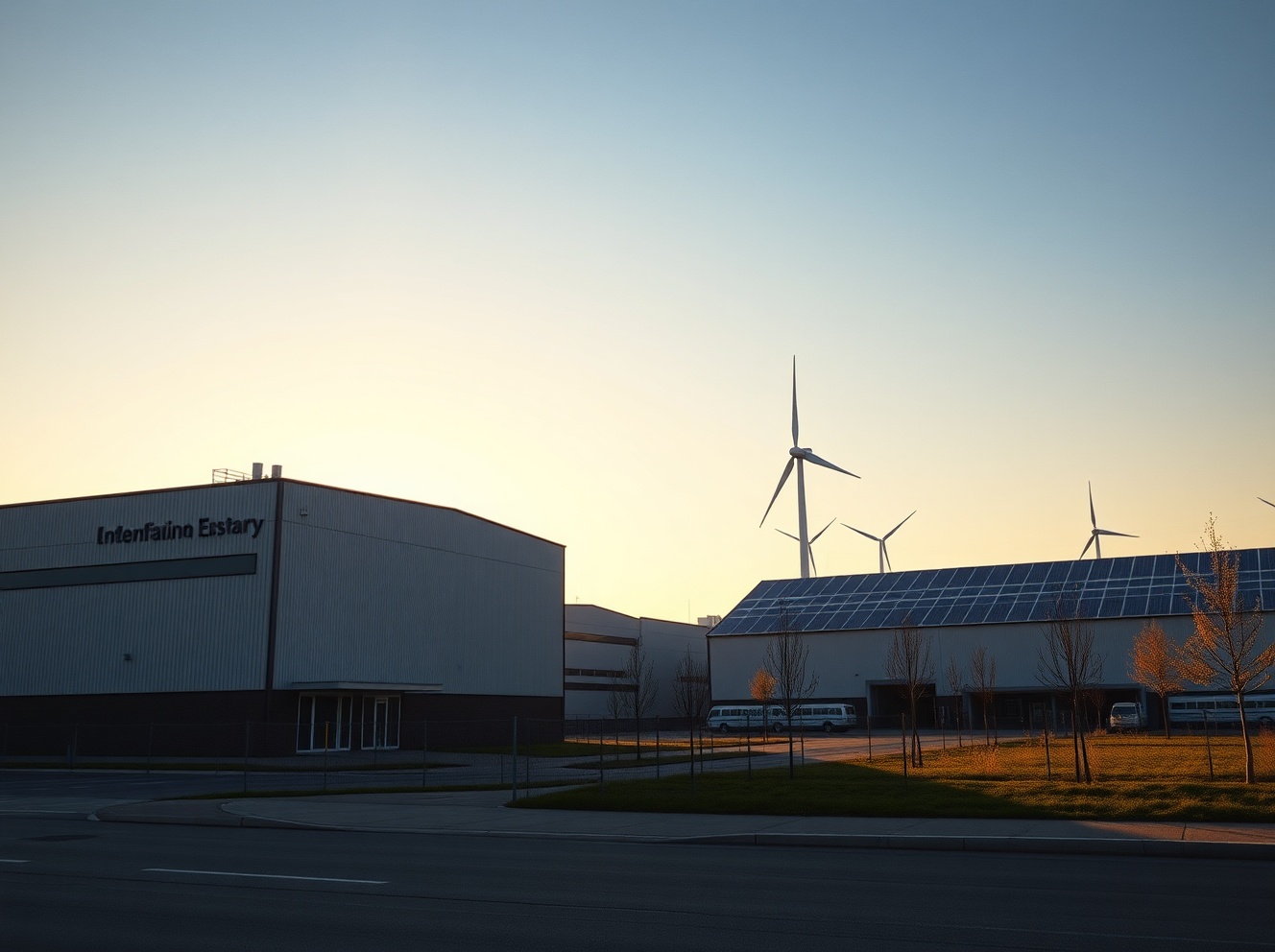
Germany’s industrial pivot fuels economic recovery, says BNP Paribas
Germany’s industrial sector is undergoing a structural shift that is beginning to support a broader economic recovery, according to a recent analysis by BNP Paribas. The report highlights how key adjustments in energy policy, supply chain realignment, and industrial strategy are laying the groundwork for renewed growth in Europe’s largest economy.
Industrial pivot as a recovery catalyst
BNP Paribas economists point to a decisive move away from traditional energy-intensive manufacturing toward more diversified, technology-driven industrial production. This pivot, they argue, is helping German industry adapt to higher energy costs and changing global demand patterns. The analysis notes that sectors such as automotive, chemicals, and machinery are increasingly investing in automation, digitalization, and green technologies, which could improve long-term competitiveness.
The report comes as Germany navigates a period of subdued growth following the energy crisis triggered by the war in Ukraine. While the economy contracted in 2023, recent indicators suggest a gradual stabilization, with industrial production showing modest gains in early 2024.
Energy transition and structural reforms
A central element of the industrial pivot is Germany’s accelerated energy transition. The government’s push to expand renewable energy capacity and reduce reliance on imported fossil fuels is reshaping the cost structure for manufacturers. BNP Paribas notes that while short-term costs remain elevated, the long-term outlook is improving as renewable infrastructure scales up.
Additionally, policy measures such as the Industrial Strategy 2030 and targeted support for strategic sectors are providing a framework for investment. The analysis emphasizes that these reforms are not just about energy but also about fostering innovation in areas like electric mobility, hydrogen technology, and digital infrastructure.
Implications for investors and businesses
For international investors and businesses operating in Germany, the industrial pivot signals a shift in risk and opportunity. Sectors aligned with the green transition and digitalization are likely to benefit from government incentives and growing demand. Conversely, traditional energy-intensive industries may face continued pressure to adapt or consolidate.
BNP Paribas advises that the recovery is not yet guaranteed and remains contingent on global economic conditions, particularly demand from China and the resilience of European export markets. However, the structural changes underway provide a more sustainable foundation than previous cyclical recoveries.
Conclusion
Germany’s industrial pivot, driven by energy transition and structural reforms, is emerging as a key factor in the country’s economic recovery, according to BNP Paribas. While challenges remain, the shift toward technology-driven and greener manufacturing offers a path to renewed competitiveness. The analysis underscores the importance of monitoring policy implementation and global demand trends as the recovery unfolds.
FAQs
Q1: What does ‘industrial pivot’ mean in the context of Germany?
It refers to a strategic shift away from traditional energy-intensive manufacturing toward more diversified, technology-driven, and sustainable industrial production, including investments in automation, digitalization, and green technologies.
Q2: How is the energy transition supporting Germany’s industrial recovery?
The expansion of renewable energy capacity reduces long-term energy costs and dependency on imported fossil fuels, making German industry more competitive and resilient to price shocks.
Q3: What are the main risks to Germany’s industrial recovery according to BNP Paribas?
Key risks include global economic slowdown, particularly in China, weak export demand, persistent high energy costs in the short term, and the pace of structural reform implementation.
This post Germany’s industrial pivot fuels economic recovery, says BNP Paribas first appeared on BitcoinWorld.


You May Also Like

EUR/GBP Exchange Rate Surges as Bank of England Rate Hike Expectations Intensify – Market Analysis

ETH Enters High-Stakes Decision Zone