

US Dollar Index Holds Above 99.00 as Resilient Labor Data Bolsters Rate View, US-Iran Deal in Focus
BitcoinWorld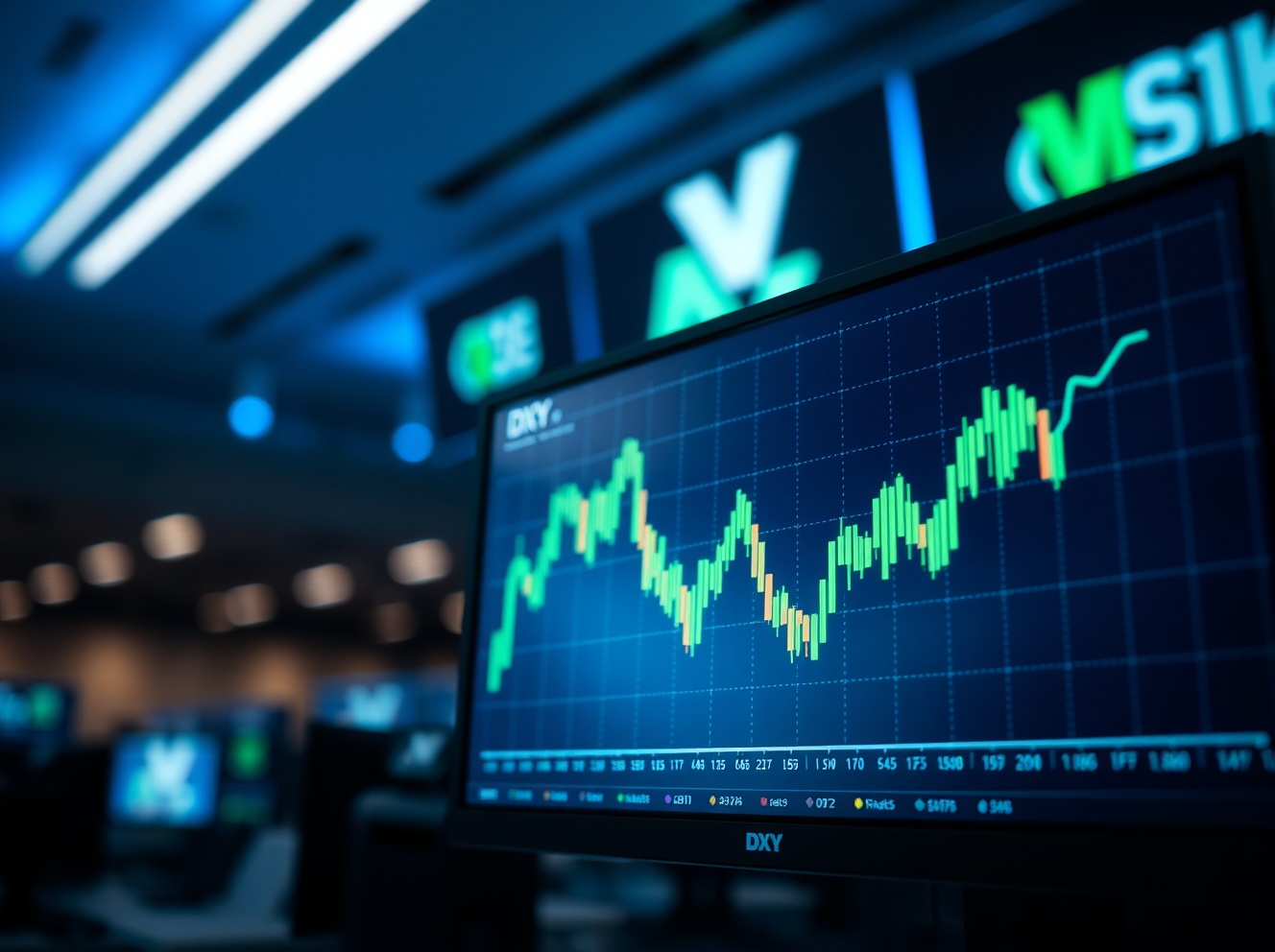
US Dollar Index Holds Above 99.00 as Resilient Labor Data Bolsters Rate View, US-Iran Deal in Focus
The US Dollar Index (DXY) maintained its footing above the 99.00 mark on Thursday, supported by a fresh batch of labor market data that underscored the resilience of the American economy. The index, which measures the greenback against a basket of six major currencies, edged higher as traders weighed the implications of a still-tight jobs market against ongoing diplomatic efforts between the United States and Iran.
Labor Data Reinforces Fed Policy Path
Weekly initial jobless claims came in lower than expected, signaling that employers continue to hold onto workers despite elevated interest rates. The data, released by the Department of Labor, showed claims falling to 215,000 for the week ending March 29, down from the previous week’s revised figure of 221,000. This marks the lowest reading in three weeks and suggests that the labor market remains a pillar of strength for the broader economy.
Market participants interpreted the figures as reducing the likelihood of an imminent rate cut by the Federal Reserve. The CME FedWatch Tool now shows a roughly 40% probability of a quarter-point reduction at the June meeting, down from nearly 50% a week ago. A higher-for-longer interest rate environment typically supports the dollar by attracting yield-seeking capital flows.
US-Iran Nuclear Deal Talks in the Spotlight
Beyond domestic data, currency markets are closely monitoring the progress of indirect negotiations between the United States and Iran, mediated by Oman. Reports from regional sources indicate that both sides have exchanged draft proposals, though significant gaps remain on key issues such as uranium enrichment levels and sanctions relief.
A potential agreement could have broad implications for energy markets and, by extension, the dollar. An easing of sanctions on Iranian oil exports would likely increase global supply, putting downward pressure on crude prices. Lower oil prices tend to reduce inflationary pressures, which could allow the Fed more room to ease policy. Such a scenario would be broadly negative for the dollar.
Analysts at ING noted in a research brief that “any credible breakthrough in US-Iran talks would likely cap DXY upside in the short term, as it would remove a key geopolitical risk premium embedded in energy prices.” However, they cautioned that negotiations remain fragile and could collapse without warning.
Technical Levels to Watch
From a technical perspective, the US Dollar Index is testing resistance near the 99.30 level, a zone that has capped gains in recent sessions. A sustained break above this level could open the door to the 100.00 psychological barrier. On the downside, support is seen at 98.80, followed by the March low of 98.50.
Traders are also keeping an eye on Friday’s nonfarm payrolls report, which is expected to show the US economy added 240,000 jobs in March. A print significantly above or below that consensus could trigger the next meaningful move in the dollar.
Conclusion
The US Dollar Index is benefiting from a resilient labor market that pushes back against expectations for early Fed rate cuts. However, the potential for a US-Iran nuclear deal introduces a layer of uncertainty that could cap further gains. With key data and geopolitical developments unfolding simultaneously, the dollar’s near-term trajectory remains a delicate balance between domestic fundamentals and international diplomacy.
FAQs
Q1: What is the US Dollar Index (DXY)?
The US Dollar Index (DXY) measures the value of the US dollar relative to a basket of six major foreign currencies: the euro, Japanese yen, British pound, Canadian dollar, Swedish krona, and Swiss franc. It is widely used as a benchmark for the dollar’s overall strength in global markets.
Q2: How does US labor data affect the dollar?
Strong labor market data, such as low jobless claims or high payroll gains, signals a healthy economy. This reduces the likelihood of the Federal Reserve cutting interest rates, which tends to support the dollar by making US assets more attractive to yield-seeking investors.
Q3: Why is the US-Iran nuclear deal relevant for currency markets?
A US-Iran nuclear deal could lead to the lifting of sanctions on Iranian oil exports, increasing global oil supply and potentially lowering crude prices. Lower energy costs reduce inflation, which may give the Federal Reserve more flexibility to cut interest rates. This would likely weaken the dollar over time.
This post US Dollar Index Holds Above 99.00 as Resilient Labor Data Bolsters Rate View, US-Iran Deal in Focus first appeared on BitcoinWorld.


You May Also Like
This man is the antidote to Trump's poison

Spotify Universal Music AI brings licensed AI covers & remixes to Premium

Quantum Debate in Bitcoin Grows! After Elon Musk and CZ, Coinbase CEO Brian Armstrong Also Makes a Statement!



