

Binance Eyes Philippines Return Through SEC Sandbox Deal
Key Insights
- Binance Philippines return will move through an SEC sandbox route.
- BlockShoals will serve as the approved local intermediary.
- The sandbox test is expected to start in late 2026.
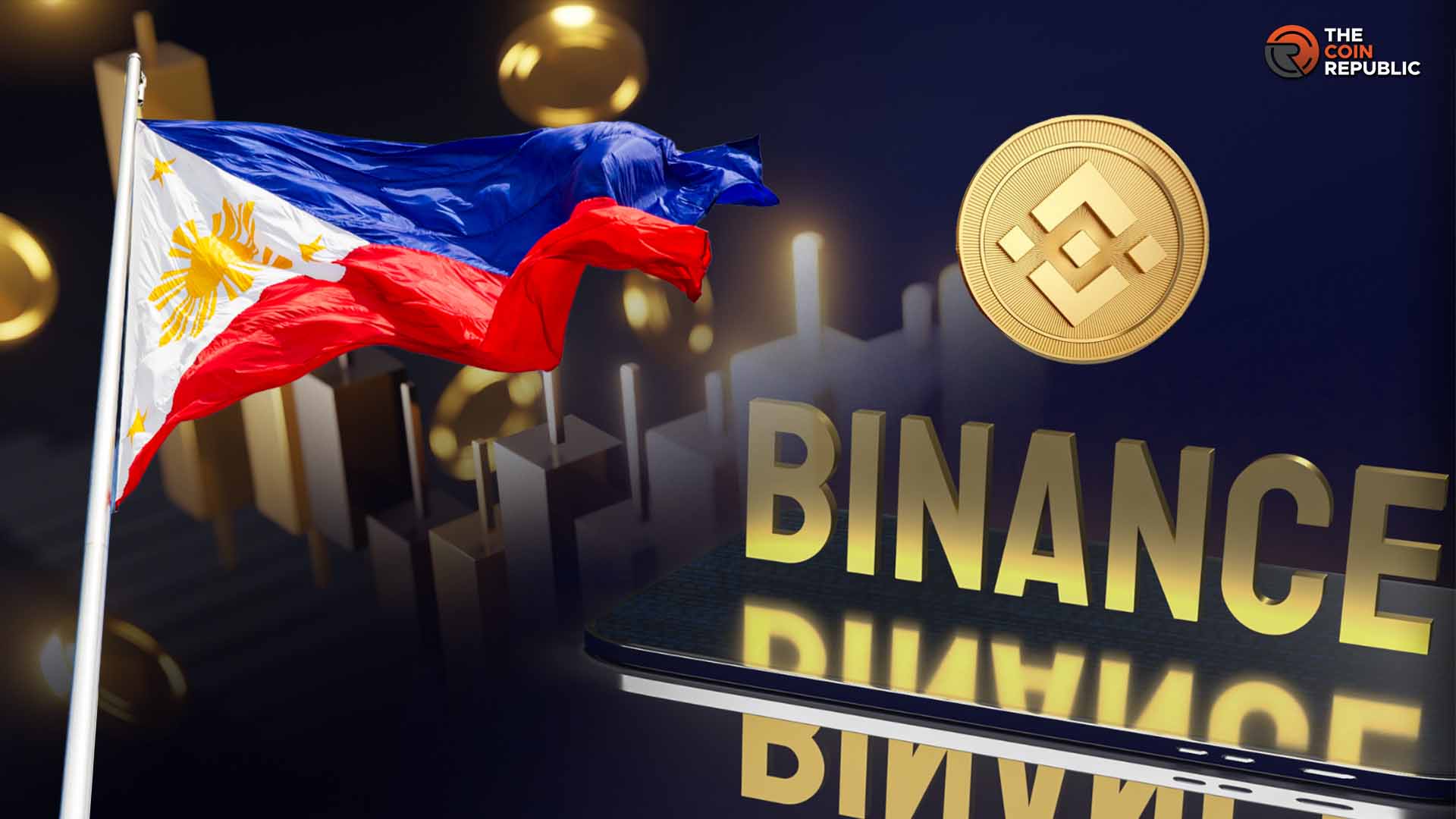
The return of Binance in the Philippines is moving into a formal regulatory track after the crypto exchange announced a partnership with BlockShoals Technologies. The Philippine-registered fintech will act as the approved local intermediary. It will operate under the Securities and Exchange Commission’s Strategic Sandbox, also called StratBox.
Binance will provide technology, security, operations, product support, and compliance experience. The setup does not mark an instant public relaunch. Instead, it creates a supervised testing route for a tailored platform in Southeast Asia’s active digital asset market.
Binance Philippines Return Moves Through SEC Sandbox
The SEC sandbox gives Binance and BlockShoals a controlled setting for testing crypto services. The operational phase should start in the second half of 2026. It is expected to run for at least two years.
Under the approved structure, BlockShoals will execute the local operational plan and report to regulators. The crypto exchange will assist in terms of exchange infrastructure and compliance systems. This split is important as Philippine regulators have moved offshore platforms closer to shore.
 Binance Philippines Return Announcement | Source: X
The return of Binance in the Philippines now hinges not just on market needs but on regulatory milestones. During the sandbox period, the partners will have to demonstrate the platform’s capabilities in user protection, reporting, and compliance requirements.
BlockShoals Partnership Gives the Crypto Exchange a Local Route
The BlockShoals partnership gives Binance a domestic channel after years of pressure from Philippine regulators. BlockShoals is not presented as a retail exchange operator in the usual sense. Its role centers on regulated infrastructure and local supervision.
Binance said the arrangement follows more than two years of regulatory engagement with the SEC. The statement places the move closer to a compliance reset than a normal expansion announcement. It also signals that global exchanges need stronger local structures before serving Filipino users.
For Binance, the partnership offers a test case for rebuilding access through a supervised model. For BlockShoals, the deal brings global exchange technology into a Philippine-controlled framework.
The approach also gives the SEC more time to test risk controls before ordinary users see a wider product. That balance will likely shape how regulators assess risks during the pilot.
Binance Philippines Return Follows Earlier SEC Action
Binance Philippines return also carries a long regulatory backstory. The SEC warned in late 2023 that Binance lacked the needed authorization.
The warning covered investment and trading services offered in the country. The National Telecommunications Commission later ordered internet providers to block Binance’s website in March 2024.
The SEC also asked major app stores to remove Binance-linked applications from the Philippine market. Those actions made Binance a leading example of Manila’s tougher stance on offshore crypto platforms.
Since then, the Philippines has tightened its crypto rulebook. Its Crypto Asset Service Provider rules require registration, local presence, disclosures, and anti-money laundering safeguards.
That policy shift explains why the SEC sandbox now matters. It gives regulators a direct view of product design, user safeguards, and operational controls before broader market access.
Binance Philippines return may therefore become a template for other offshore exchanges facing Philippine scrutiny. The SEC has also warned several global platforms about unregistered activity.
A successful StratBox test could show how a blocked exchange moves from enforcement pressure toward a licensed local path.
Still, the timeline remains cautious. Filipino users should not treat the announcement as immediate full access to Binance. The testing phase must start, run under SEC supervision, and meet review requirements before any wider local rollout.
The post Binance Eyes Philippines Return Through SEC Sandbox Deal appeared first on The Coin Republic.


You May Also Like
Biographer predicts a historic end to the Trump administration

UK FCA May Exempt Crypto Firms from Key TradFi Rules — What’s at Stake?
How to Spot a South African Cyber-Scam Before You Click “Pay”



