

Australian Dollar Slips to 0.7150 as Middle East Tensions Drive Safe-Haven Flows
BitcoinWorld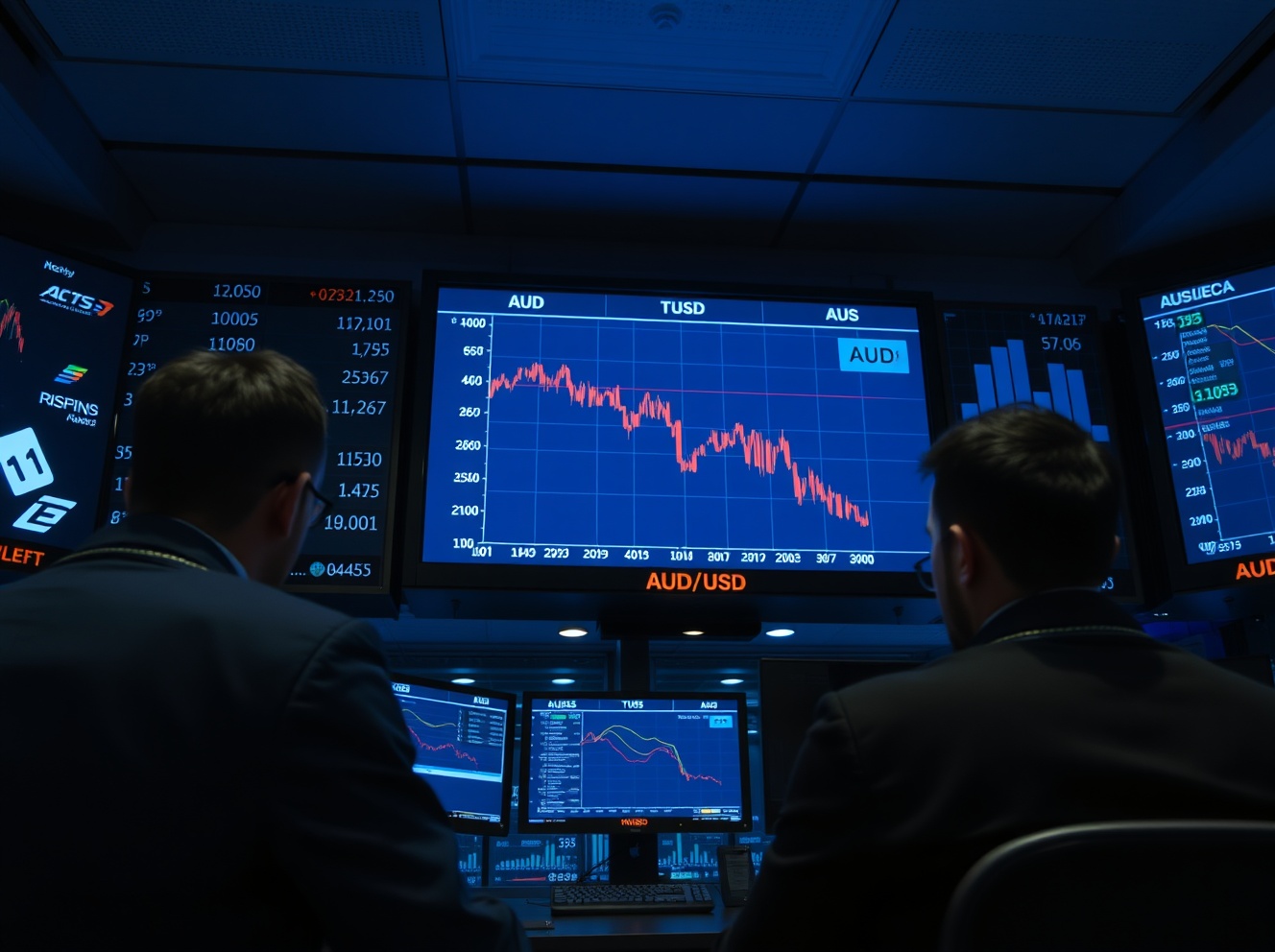
Australian Dollar Slips to 0.7150 as Middle East Tensions Drive Safe-Haven Flows
The Australian dollar weakened against the U.S. dollar on Monday, trading near the 0.7150 mark as escalating conflict in the Middle East prompted investors to rotate into traditional safe-haven assets. The move reflects growing risk aversion in currency markets, with the Aussie — often used as a proxy for global risk appetite — coming under pressure alongside other commodity-linked currencies.
Geopolitical Risk Weighs on Risk-Sensitive Currencies
Fresh hostilities in the Middle East have rattled global markets, driving demand for the U.S. dollar, gold, and government bonds. The Australian dollar, which tends to benefit from periods of global growth and commodity demand, has retreated as traders reassess the outlook for trade and energy stability. The AUD/USD pair slipped from Friday’s close near 0.7200 to intraday lows around 0.7145 before stabilizing.
Analysts note that the magnitude of the move remains contained for now, with the currency still within its recent trading range. However, further escalation could accelerate the decline. The Australian dollar’s sensitivity to geopolitical shocks is well documented, as the country’s economy relies heavily on exports to Asia and commodity price cycles.
Market Reaction and Key Levels
The 0.7150 level represents a short-term support zone for the AUD/USD pair. A decisive break below this area could open the door to further losses toward 0.7100, a level last tested in early March. On the upside, resistance is seen at 0.7200 and then at the 50-day moving average near 0.7240.
Traders are also monitoring the Reserve Bank of Australia’s policy stance. While the RBA has signaled a cautious approach to rate adjustments, a sustained risk-off environment could complicate its outlook, particularly if it leads to tighter financial conditions.
Broader Implications for Forex Markets
The current move is part of a broader pattern of risk repricing across global markets. The Japanese yen and Swiss franc have also gained against the dollar, reflecting broad-based safe-haven demand. Meanwhile, emerging market currencies have faced similar headwinds. For Australian importers and exporters, the weaker Aussie may provide some relief for exporters while increasing costs for imported goods and services.
Investors will watch for any diplomatic developments that could de-escalate tensions, as well as upcoming economic data from China — Australia’s largest trading partner — which could influence the currency’s direction in the coming sessions.
Conclusion
The Australian dollar’s decline to near 0.7150 underscores the market’s immediate reaction to heightened geopolitical risk. While the move remains within recent ranges, further deterioration in the Middle East situation could test key support levels. Currency traders should remain alert to headlines and central bank commentary that may shape risk sentiment in the days ahead.
FAQs
Q1: Why does the Australian dollar weaken when geopolitical tensions rise?
The Australian dollar is considered a risk-sensitive currency because Australia’s economy is closely tied to global trade and commodity demand. During geopolitical crises, investors often sell riskier assets and buy safe-haven currencies like the U.S. dollar, Japanese yen, or Swiss franc, pushing the Aussie lower.
Q2: What is the key support level for AUD/USD right now?
The immediate support level is around 0.7150. If that level breaks, the next support is near 0.7100, a level that has held in previous risk-off episodes this year.
Q3: How might the Reserve Bank of Australia respond to this move?
The RBA is likely to monitor the situation but is not expected to intervene directly. A sustained decline in the Aussie could influence the RBA’s inflation outlook, as a weaker currency tends to raise import prices. However, the bank’s primary focus remains on domestic inflation and employment data.
This post Australian Dollar Slips to 0.7150 as Middle East Tensions Drive Safe-Haven Flows first appeared on BitcoinWorld.


You May Also Like

Rappler Recap: Senate majority skips session again; minority seeks Cayetano’s resignation

Keith’s Trailer Sales Updates Inventory with Viking and Keystone Models in Ontario

Rumors Swirl: Is Saylor’s Strategy Quietly Backing Bitcoin and a Secret Meme Coin Presale?


Trending News
More24/7 Live News
More
