

Dow Jones Futures Rise on Hopes of US-Iran Peace Deal: What Investors Need to Know
BitcoinWorld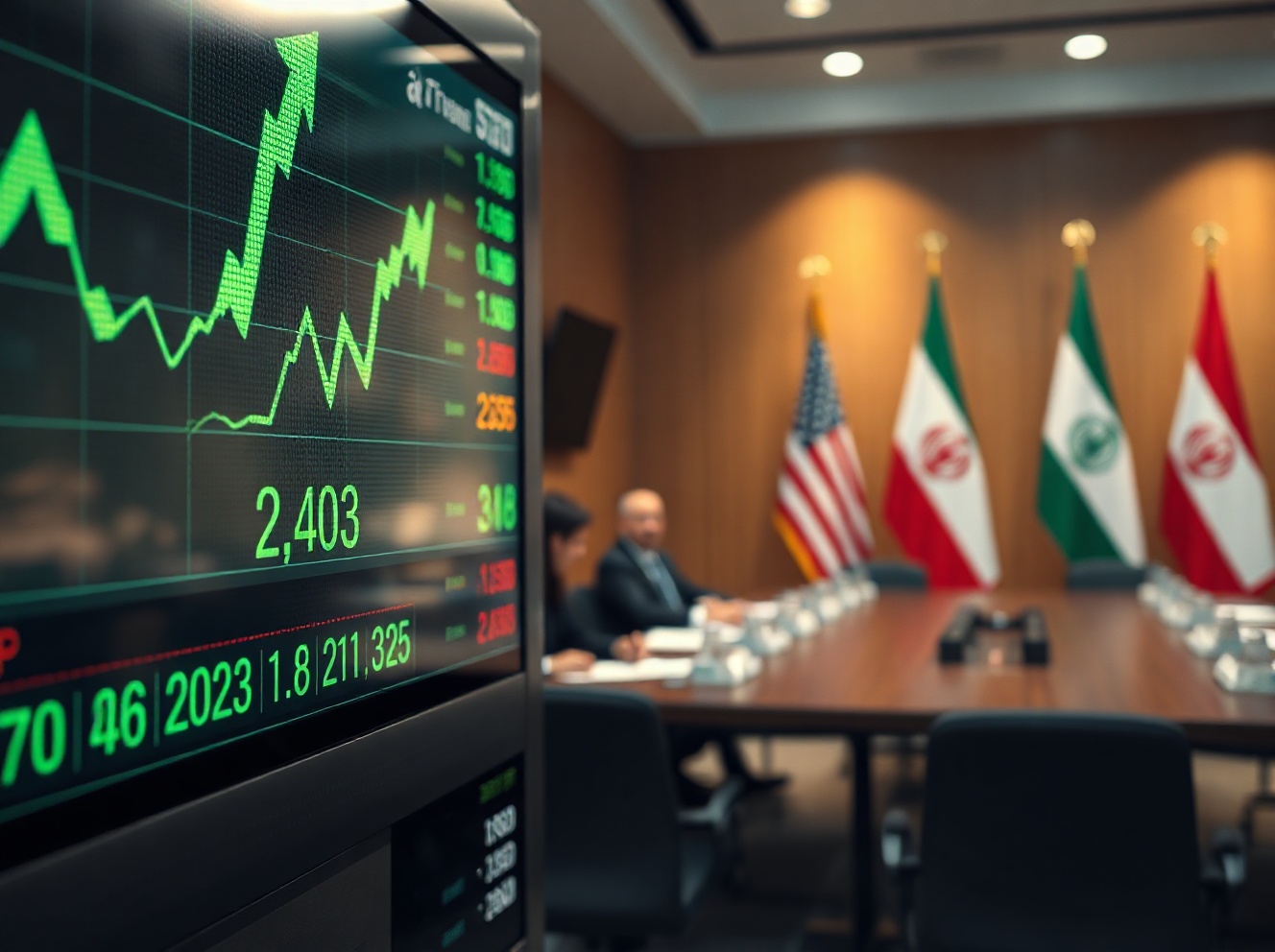
Dow Jones Futures Rise on Hopes of US-Iran Peace Deal: What Investors Need to Know
Dow Jones futures climbed in early trading Monday following unconfirmed reports that the United States and Iran are nearing a potential peace agreement. The development, if confirmed, would mark a significant de-escalation of tensions that have weighed on global markets for years.
Market Reaction and Key Drivers
Futures contracts tied to the Dow Jones Industrial Average rose approximately 0.6% in pre-market trading, while S&P 500 and Nasdaq futures also posted gains. The rally was driven primarily by expectations that a peace deal could reduce geopolitical risk premiums, particularly in energy markets.
Oil prices, which have been highly sensitive to Iran-related supply disruptions, fell sharply on the news. Brent crude dropped over 3% in early trading, while West Texas Intermediate crude declined by a similar margin. Lower oil prices are generally viewed as positive for corporate margins and consumer spending, providing a tailwind for equity markets.
Geopolitical Context and Timeline
Reports of progress in US-Iran negotiations emerged over the weekend, with diplomatic sources indicating that both sides have made concessions on key issues, including Iran’s nuclear program and regional military activities. However, no formal agreement has been signed, and details remain scarce.
The potential deal comes after years of heightened tensions following the US withdrawal from the Joint Comprehensive Plan of Action (JCPOA) in 2018. Previous attempts at negotiation have faltered, and analysts caution that the current optimism may be premature.
Implications for Investors
If a comprehensive peace deal materializes, the implications for financial markets could be far-reaching. A reduction in Middle East tensions would likely lead to lower oil prices, benefiting industries such as airlines, shipping, and manufacturing. Defense stocks, which have rallied on geopolitical uncertainty, could face headwinds.
Additionally, a US-Iran agreement could open the door for renewed trade and investment flows, particularly in energy and infrastructure. Iran holds some of the world’s largest oil and gas reserves, and its reintegration into global markets would increase supply and potentially stabilize prices.
Conclusion
While the news of a potential US-Iran peace deal has driven early optimism in futures markets, investors should remain cautious. The situation remains fluid, and diplomatic breakthroughs are notoriously fragile. A confirmed agreement would be a significant positive for global risk appetite, but until details are finalized, markets are likely to remain volatile.
FAQs
Q1: How does a US-Iran peace deal affect the stock market?
A peace deal reduces geopolitical risk, often leading to lower oil prices and higher equity valuations. Sectors sensitive to energy costs, such as airlines and transportation, typically benefit, while defense stocks may decline.
Q2: What is the connection between Iran tensions and oil prices?
Iran is a major oil producer, and threats to its exports or shipping routes can disrupt global supply. A peace deal reduces the risk of supply shocks, causing oil prices to fall.
Q3: Is the peace deal confirmed?
No. Reports indicate progress in negotiations, but no formal agreement has been signed. Investors should monitor official statements from both governments for confirmation.
This post Dow Jones Futures Rise on Hopes of US-Iran Peace Deal: What Investors Need to Know first appeared on BitcoinWorld.


You May Also Like

Crypto Market Drops as Fear Grows and Major Assets Decline

AI predicts XRP price for April 30, 2026

68% of global BTC miners came from the U.S., Russia, and China, Q1 2026



