Top officials at the European Central Bank said Thursday that price pressures could move either way in coming months, with factors ranging from economic growth to trade disputes playing a role in the outlook. Olli Rehn, who sits on the ECB’s Governing Council, told Bloomberg TV that the bank needs to keep all options open when it comes to interest rates. He pointed to several forces that could affect prices in the months ahead. On the one hand, faster economic growth could push consumer prices higher. On the other hand, cheaper energy, a stronger euro, and smaller wage increases could hold prices down. “We have risks that are two sided,” Rehn said during the IMF’s annual meetings in Washington. As quoted by Bloomberg, he added “It’s important in the current context where we have pervasive uncertainty still due to trade wars and due to geopolitical tensions that we maintain full freedom of action.” Rate cuts on hold after eight reductions The central bank has already lowered borrowing costs eight times, each time by a quarter point. But since June, officials have left rates alone. Most observers expect them to do the same when they meet again this month. Inflation across the 20 countries that use the euro is sitting close to the bank’s 2% target. Forecasts show it staying around that level going forward, with the economy picking up steam in coming years. Still, some officials worry that growth might not be as strong as expected, which would drag down prices. Most policymakers think rate cuts are probably finished, though a few say more moves shouldn’t be ruled out. Rehn, who has worked in both central banking and politics for many years, is seen as a top candidate to become ECB vice president when Luis de Guindos finishes his term in May 2026. That would start a two-year period of change at the bank, replacing two-thirds of its top leadership, including President Christine Lagarde. When asked about his future plans, Rehn said he hasn’t made any decisions yet and hasn’t “reserved any removal vans.” China’s export restrictions add new concerns Meanwhile, another ECB official raised concerns about China’s recent moves on rare earth exports. Madis Muller, who heads Estonia’s central bank, said these restrictions could create new price pressures if they affect the global economy. “Shortages of some critical inputs could certainly lead to higher prices for certain products, even if it hurts the economy,” Muller said in Washington. He noted that China’s export controls show how trade barriers “can have an inflationary impact also in Europe,” contrary to the usual thinking that American tariffs would lower European prices. Under Beijing’s new rules, foreign companies must get Chinese government approval before exporting products that contain even small amounts of certain rare earths from China. President Donald Trump responded by threatening an additional 100% tariff on Chinese goods. With rates at the right level now, Muller said officials should be “patient” and watch for developments that could move prices in either direction. The smartest crypto minds already read our newsletter. Want in? Join them.Top officials at the European Central Bank said Thursday that price pressures could move either way in coming months, with factors ranging from economic growth to trade disputes playing a role in the outlook. Olli Rehn, who sits on the ECB’s Governing Council, told Bloomberg TV that the bank needs to keep all options open when it comes to interest rates. He pointed to several forces that could affect prices in the months ahead. On the one hand, faster economic growth could push consumer prices higher. On the other hand, cheaper energy, a stronger euro, and smaller wage increases could hold prices down. “We have risks that are two sided,” Rehn said during the IMF’s annual meetings in Washington. As quoted by Bloomberg, he added “It’s important in the current context where we have pervasive uncertainty still due to trade wars and due to geopolitical tensions that we maintain full freedom of action.” Rate cuts on hold after eight reductions The central bank has already lowered borrowing costs eight times, each time by a quarter point. But since June, officials have left rates alone. Most observers expect them to do the same when they meet again this month. Inflation across the 20 countries that use the euro is sitting close to the bank’s 2% target. Forecasts show it staying around that level going forward, with the economy picking up steam in coming years. Still, some officials worry that growth might not be as strong as expected, which would drag down prices. Most policymakers think rate cuts are probably finished, though a few say more moves shouldn’t be ruled out. Rehn, who has worked in both central banking and politics for many years, is seen as a top candidate to become ECB vice president when Luis de Guindos finishes his term in May 2026. That would start a two-year period of change at the bank, replacing two-thirds of its top leadership, including President Christine Lagarde. When asked about his future plans, Rehn said he hasn’t made any decisions yet and hasn’t “reserved any removal vans.” China’s export restrictions add new concerns Meanwhile, another ECB official raised concerns about China’s recent moves on rare earth exports. Madis Muller, who heads Estonia’s central bank, said these restrictions could create new price pressures if they affect the global economy. “Shortages of some critical inputs could certainly lead to higher prices for certain products, even if it hurts the economy,” Muller said in Washington. He noted that China’s export controls show how trade barriers “can have an inflationary impact also in Europe,” contrary to the usual thinking that American tariffs would lower European prices. Under Beijing’s new rules, foreign companies must get Chinese government approval before exporting products that contain even small amounts of certain rare earths from China. President Donald Trump responded by threatening an additional 100% tariff on Chinese goods. With rates at the right level now, Muller said officials should be “patient” and watch for developments that could move prices in either direction. The smartest crypto minds already read our newsletter. Want in? Join them.

Top ECB officials see price pressures moving either way in coming months

2025/10/17 01:06
3 min read
For feedback or concerns regarding this content, please contact us at crypto.news@mexc.com

Top officials at the European Central Bank said Thursday that price pressures could move either way in coming months, with factors ranging from economic growth to trade disputes playing a role in the outlook.

Olli Rehn, who sits on the ECB’s Governing Council, told Bloomberg TV that the bank needs to keep all options open when it comes to interest rates. He pointed to several forces that could affect prices in the months ahead.

On the one hand, faster economic growth could push consumer prices higher. On the other hand, cheaper energy, a stronger euro, and smaller wage increases could hold prices down.

“We have risks that are two sided,” Rehn said during the IMF’s annual meetings in Washington. As quoted by Bloomberg, he added “It’s important in the current context where we have pervasive uncertainty still due to trade wars and due to geopolitical tensions that we maintain full freedom of action.”

Rate cuts on hold after eight reductions

The central bank has already lowered borrowing costs eight times, each time by a quarter point. But since June, officials have left rates alone. Most observers expect them to do the same when they meet again this month.

Inflation across the 20 countries that use the euro is sitting close to the bank’s 2% target. Forecasts show it staying around that level going forward, with the economy picking up steam in coming years.

Still, some officials worry that growth might not be as strong as expected, which would drag down prices. Most policymakers think rate cuts are probably finished, though a few say more moves shouldn’t be ruled out.

Rehn, who has worked in both central banking and politics for many years, is seen as a top candidate to become ECB vice president when Luis de Guindos finishes his term in May 2026. That would start a two-year period of change at the bank, replacing two-thirds of its top leadership, including President Christine Lagarde.

When asked about his future plans, Rehn said he hasn’t made any decisions yet and hasn’t “reserved any removal vans.”

China’s export restrictions add new concerns

Meanwhile, another ECB official raised concerns about China’s recent moves on rare earth exports. Madis Muller, who heads Estonia’s central bank, said these restrictions could create new price pressures if they affect the global economy.

“Shortages of some critical inputs could certainly lead to higher prices for certain products, even if it hurts the economy,” Muller said in Washington.

He noted that China’s export controls show how trade barriers “can have an inflationary impact also in Europe,” contrary to the usual thinking that American tariffs would lower European prices.

Under Beijing’s new rules, foreign companies must get Chinese government approval before exporting products that contain even small amounts of certain rare earths from China. President Donald Trump responded by threatening an additional 100% tariff on Chinese goods.

With rates at the right level now, Muller said officials should be “patient” and watch for developments that could move prices in either direction.

The smartest crypto minds already read our newsletter. Want in? Join them.

Market Opportunity
TOP Network Logo
TOP Network Price(TOP)
$0.00007
$0.00007$0.00007
0.00%
USD
TOP Network (TOP) Live Price Chart
Disclaimer: The articles reposted on this site are sourced from public platforms and are provided for informational purposes only. They do not necessarily reflect the views of MEXC. All rights remain with the original authors. If you believe any content infringes on third-party rights, please contact crypto.news@mexc.com for removal. MEXC makes no guarantees regarding the accuracy, completeness, or timeliness of the content and is not responsible for any actions taken based on the information provided. The content does not constitute financial, legal, or other professional advice, nor should it be considered a recommendation or endorsement by MEXC.

You May Also Like

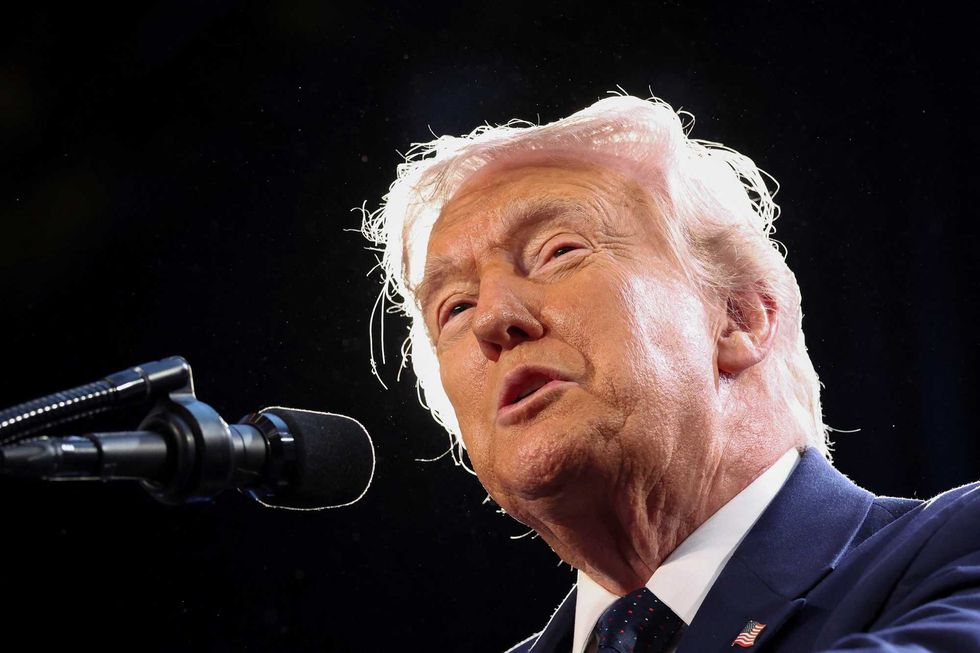
France’s Macron says UN snapback sanctions on Iran coming in a week
France’s Macron says UN snapback sanctions on Iran coming in a week

The post France’s Macron says UN snapback sanctions on Iran coming in a week appeared on BitcoinEthereumNews.com. French President Emmanuel Macron told Israel’s Channel 12 on Thursday that United Nations sanctions on Iran will be back in force at the end of September. Asked directly if the sanctions were a “done deal,” Macron replied, “Yes, I think so. Because the latest news we have from the Iranians are not serious.” Macron then explained that Iran’s foreign minister Abbas Araghchi “tried to make a reasonable offer” to European leaders, but his plan lacked support from others inside the Iranian leadership. On Wednesday, Iran gave Britain, Germany, and France a proposal aimed at avoiding sanctions. European leaders advance snapback mechanism Axios had reported that a draft resolution to extend the suspension of sanctions was circulated at the UN Security Council on Thursday, with a vote planned for Friday. But the draft is unlikely to pass, meaning the snapback mechanism would move forward, restoring sanctions on Iran come September 27. Britain, France, and Germany triggered the snapback process on August 28 under Resolution 2231. They demanded Iran return to negotiations, allow wider inspections, and explain missing uranium stockpiles. Araghchi warned last week that if sanctions return, “they will be excluded from nuclear negotiations with the Islamic Republic.” Oil prices showed little reaction to the political drama. Brent crude slipped 1 cent to $67.43 per barrel, and U.S. West Texas Intermediate dipped 4 cents to $63.53. Both benchmarks remained on track for a second week of gains, even as the U.S. Federal Reserve cut interest rates. The E3 offered to delay the sanctions for six months if Iran allowed inspectors from the International Atomic Energy Agency back into nuclear facilities and opened talks with Washington. Inspectors also sought answers about Iran’s enriched uranium stocks, which remain uncertain since Israeli and U.S. strikes hit Iranian nuclear sites in June. Germany warns sanctions…
Share
BitcoinEthereumNews2025/09/19 12:31
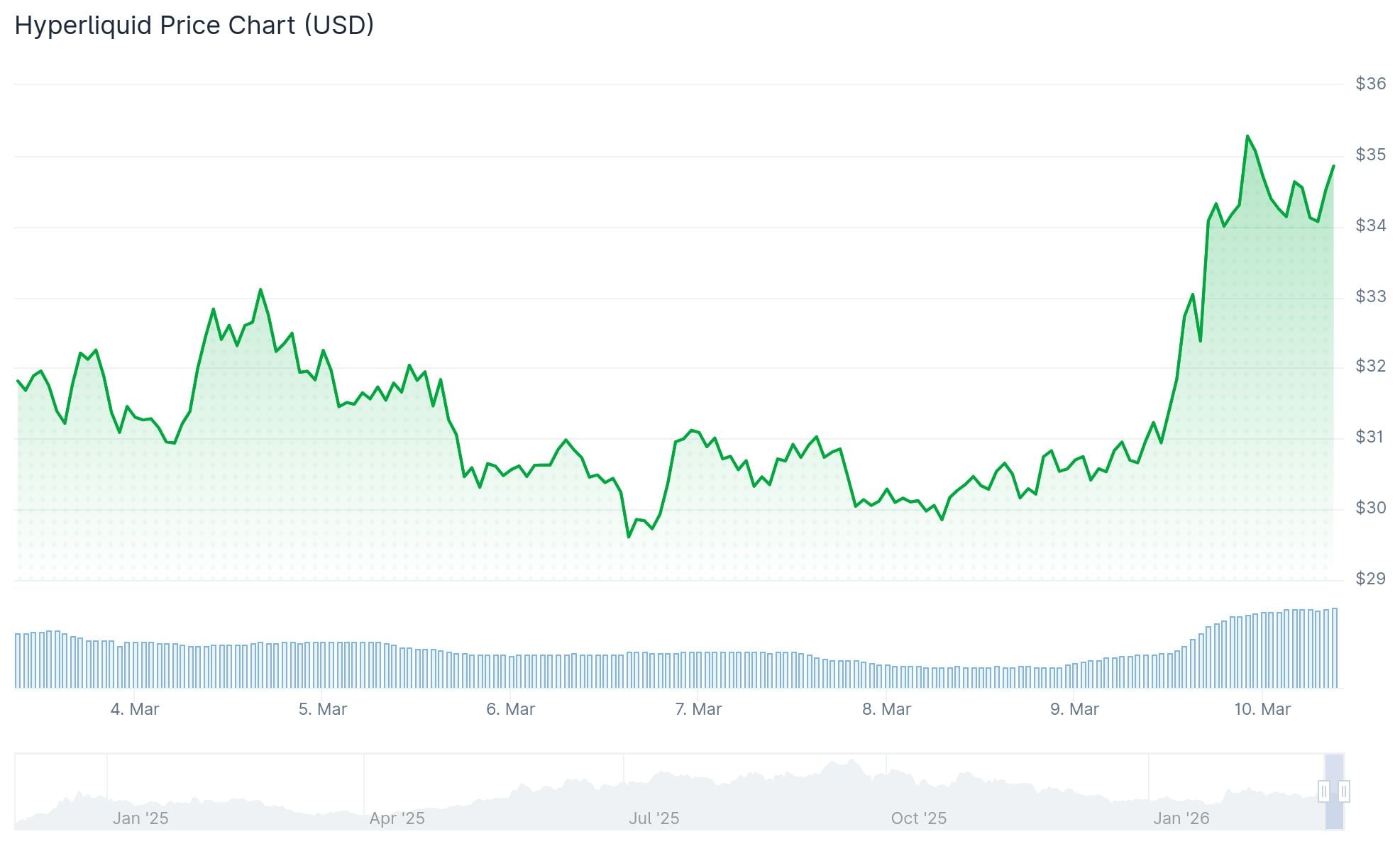
This is Trump's tell that all isn't well
This is Trump's tell that all isn't well

Years ago, I was drinking with friends in a dive bar with a jukebox. I went over, quarters in hand, and noticed “It’s the Same Old Song” by the Four Tops, sitting
Share
Rawstory2026/03/10 17:30
Pudgy Penguins (PENGU) Price: Token Rises 9% After Pudgy World Game Launch

Pudgy Penguins (PENGU) Price: Token Rises 9% After Pudgy World Game Launch

TLDR Pudgy Penguins launched Pudgy World, a browser-based game with 12 towns, quests, and mini-games The PENGU token rose around 9% following the launch announcement
Share
Coincentral2026/03/10 17:22