The post The Undervalued Altcoin Crypto Investors Wish They’d Discovered Sooner – Meet $SPY appeared first on Coinpedia Fintech News There’s always that one crypto project people wish they had found earlier. You know the pattern by now. A token launches at a low price, early adopters make serious returns, and by the time most people hear about it, the best gains are history. But every so often, a project appears before the crowd shows up. SpacePay, with its $SPY token, could be that project. The team tackled something that’s been a problem for crypto since day one. Plenty of merchants want to take digital payments, but the hurdles are too high. SpacePay found a way to fix that. SpacePay – Where Crypto Meets Real Commerce SpacePay operates out of London and focuses on one clear goal: to connect crypto to everyday shopping. Here’s what makes it different. Merchants can accept cryptocurrency through the card machines they already own. There’s no need to buy new equipment or mess with complicated installations. A software update on Android terminals does the job. The platform works with over 325 crypto wallets. Customers pay with ETH, BNB, MATIC, USDT, or other popular options. The technical stuff happens automatically in the background. Business owners just see a completed sale in their local currency. Right now, more than 400 million people hold crypto. Most of them have almost nowhere to actually spend it. SpacePay changes that equation. The company built something merchants can actually use without taking a finance course first. Pay in Crypto. Get settled in Cash. Powered by SpacePay pic.twitter.com/YZiJy9naPg— SpacePay (@SpacePayLtd) April 10, 2025 The Features That Actually Matter Here’s where SpacePay gets interesting. The platform protects merchants from crypto’s wild price swings. When someone pays with digital currency, SpacePay turns it into regular money right away. Business owners get stable payments and zero exposure to market chaos. That alone removes the biggest reason shops avoid crypto. Then there’s the cost factor. Traditional payment systems usually take 2-3% per transaction. Sometimes more. SpacePay charges 0.5%. Do the math on a busy store’s monthly volume and those savings get real. Security wasn’t an afterthought here. Every transaction gets encrypted from the start. The system watches for trouble constantly and deals with issues as soon as they surface. And here’s the thing about being decentralized – if one part has a problem, the rest keeps running. When people’s money is on the line, these aren’t just nice-to-have features. Put it all together and the value becomes obvious. Merchants add crypto payments without new expenses or financial risk. They tap into a market of digital currency holders who are actively looking for places to spend. The whole process feels normal because it runs through terminals that everyone already knows how to use. $SPY Presale – Here’s What You Need to Know The $SPY token powers the entire SpacePay system. Right now, it sells for $0.003181 during the presale. That price goes up with each new stage. People who get in early lock in the lowest rates before exchanges list the token. There are 34 billion tokens total. That’s the hard cap. The public sale gets 20% of the supply. User rewards and loyalty programs take 17%. Development work gets 10%. Founders receive 5%. Strategic partnerships and ecosystem expansion split 18%. Marketing gets another 18%. A reserve fund holds the remaining 12%. The presale passed $1.3 million already. Anyone can buy tokens with ETH, BNB, MATIC, AVAX, USDT, or USDC. Bank cards work too, which opens the door for people who don’t live and breathe crypto yet. Holders get several perks. Governance rights mean they vote on platform decisions. Revenue sharing creates passive income based on how well SpacePay performs. Monthly loyalty airdrops reward active users. New features roll out to holders before the general public. The team also runs quarterly webinars to keep people in the loop. Why This Might Be Worth Attention SpacePay already developed a functional MVP, which puts them ahead of most projects. The regulatory compliance focus signals they’re planning to stick around. A lot of crypto ventures promise everything and deliver nothing. SpacePay actually built what they said they would. The timing looks good, too. Crypto keeps growing but the infrastructure to actually use it lags far behind. SpacePay landed in that gap at exactly the right moment. As more businesses want crypto payment options, the platforms that make it easy will see demand spike. The presale price sits low enough to offer real upside potential. Projects that fix actual problems and get merchants on board tend to do well over time. $SPY packs utility, governance, and revenue sharing into one token. That’s not a gimmick. It’s designed to hold value. Where SpacePay Goes From Here The roadmap focuses on merchant expansion and security improvements. More businesses join the platform every month. Each new merchant adds utility to the token and pumps up transaction volume. SpacePay delivers on crypto’s original promise: make transactions better for everyone involved. For anyone looking at that presale price right now, the real question is simple. A year from now, will this be the project they regret not getting into sooner? Early indicators point to yes. JOIN THE SPACEPAY ($SPY) PRESALE NOW Website    |    (X) Twitter    |  TelegramThe post The Undervalued Altcoin Crypto Investors Wish They’d Discovered Sooner – Meet $SPY appeared first on Coinpedia Fintech News There’s always that one crypto project people wish they had found earlier. You know the pattern by now. A token launches at a low price, early adopters make serious returns, and by the time most people hear about it, the best gains are history. But every so often, a project appears before the crowd shows up. SpacePay, with its $SPY token, could be that project. The team tackled something that’s been a problem for crypto since day one. Plenty of merchants want to take digital payments, but the hurdles are too high. SpacePay found a way to fix that. SpacePay – Where Crypto Meets Real Commerce SpacePay operates out of London and focuses on one clear goal: to connect crypto to everyday shopping. Here’s what makes it different. Merchants can accept cryptocurrency through the card machines they already own. There’s no need to buy new equipment or mess with complicated installations. A software update on Android terminals does the job. The platform works with over 325 crypto wallets. Customers pay with ETH, BNB, MATIC, USDT, or other popular options. The technical stuff happens automatically in the background. Business owners just see a completed sale in their local currency. Right now, more than 400 million people hold crypto. Most of them have almost nowhere to actually spend it. SpacePay changes that equation. The company built something merchants can actually use without taking a finance course first. Pay in Crypto. Get settled in Cash. Powered by SpacePay pic.twitter.com/YZiJy9naPg— SpacePay (@SpacePayLtd) April 10, 2025 The Features That Actually Matter Here’s where SpacePay gets interesting. The platform protects merchants from crypto’s wild price swings. When someone pays with digital currency, SpacePay turns it into regular money right away. Business owners get stable payments and zero exposure to market chaos. That alone removes the biggest reason shops avoid crypto. Then there’s the cost factor. Traditional payment systems usually take 2-3% per transaction. Sometimes more. SpacePay charges 0.5%. Do the math on a busy store’s monthly volume and those savings get real. Security wasn’t an afterthought here. Every transaction gets encrypted from the start. The system watches for trouble constantly and deals with issues as soon as they surface. And here’s the thing about being decentralized – if one part has a problem, the rest keeps running. When people’s money is on the line, these aren’t just nice-to-have features. Put it all together and the value becomes obvious. Merchants add crypto payments without new expenses or financial risk. They tap into a market of digital currency holders who are actively looking for places to spend. The whole process feels normal because it runs through terminals that everyone already knows how to use. $SPY Presale – Here’s What You Need to Know The $SPY token powers the entire SpacePay system. Right now, it sells for $0.003181 during the presale. That price goes up with each new stage. People who get in early lock in the lowest rates before exchanges list the token. There are 34 billion tokens total. That’s the hard cap. The public sale gets 20% of the supply. User rewards and loyalty programs take 17%. Development work gets 10%. Founders receive 5%. Strategic partnerships and ecosystem expansion split 18%. Marketing gets another 18%. A reserve fund holds the remaining 12%. The presale passed $1.3 million already. Anyone can buy tokens with ETH, BNB, MATIC, AVAX, USDT, or USDC. Bank cards work too, which opens the door for people who don’t live and breathe crypto yet. Holders get several perks. Governance rights mean they vote on platform decisions. Revenue sharing creates passive income based on how well SpacePay performs. Monthly loyalty airdrops reward active users. New features roll out to holders before the general public. The team also runs quarterly webinars to keep people in the loop. Why This Might Be Worth Attention SpacePay already developed a functional MVP, which puts them ahead of most projects. The regulatory compliance focus signals they’re planning to stick around. A lot of crypto ventures promise everything and deliver nothing. SpacePay actually built what they said they would. The timing looks good, too. Crypto keeps growing but the infrastructure to actually use it lags far behind. SpacePay landed in that gap at exactly the right moment. As more businesses want crypto payment options, the platforms that make it easy will see demand spike. The presale price sits low enough to offer real upside potential. Projects that fix actual problems and get merchants on board tend to do well over time. $SPY packs utility, governance, and revenue sharing into one token. That’s not a gimmick. It’s designed to hold value. Where SpacePay Goes From Here The roadmap focuses on merchant expansion and security improvements. More businesses join the platform every month. Each new merchant adds utility to the token and pumps up transaction volume. SpacePay delivers on crypto’s original promise: make transactions better for everyone involved. For anyone looking at that presale price right now, the real question is simple. A year from now, will this be the project they regret not getting into sooner? Early indicators point to yes. JOIN THE SPACEPAY ($SPY) PRESALE NOW Website    |    (X) Twitter    |  Telegram

The Undervalued Altcoin Crypto Investors Wish They’d Discovered Sooner – Meet $SPY
spacepay

The post The Undervalued Altcoin Crypto Investors Wish They’d Discovered Sooner – Meet $SPY appeared first on Coinpedia Fintech News

There’s always that one crypto project people wish they had found earlier.

You know the pattern by now. A token launches at a low price, early adopters make serious returns, and by the time most people hear about it, the best gains are history. But every so often, a project appears before the crowd shows up.

SpacePay, with its $SPY token, could be that project. The team tackled something that’s been a problem for crypto since day one. Plenty of merchants want to take digital payments, but the hurdles are too high. SpacePay found a way to fix that.

SpacePay – Where Crypto Meets Real Commerce

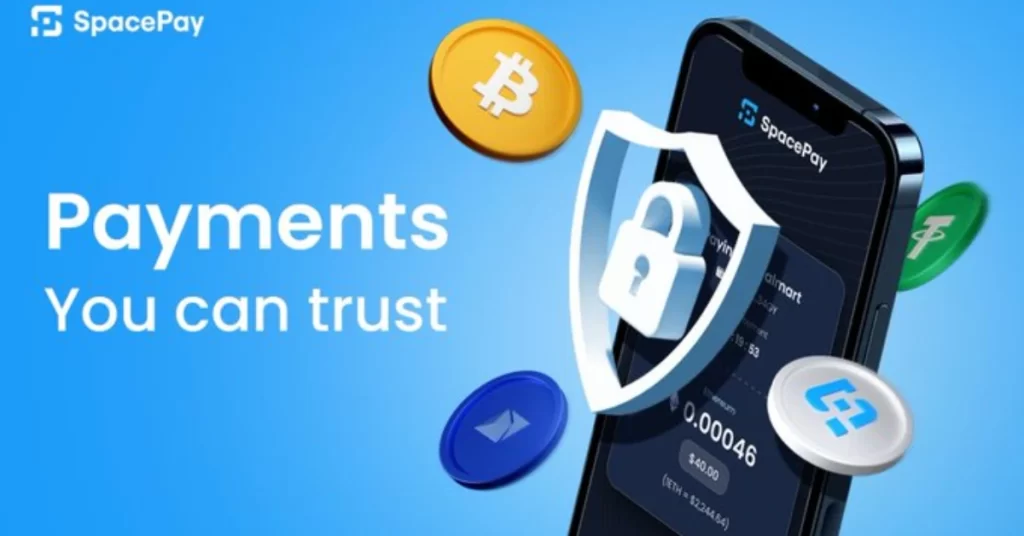
SpacePay operates out of London and focuses on one clear goal: to connect crypto to everyday shopping. Here’s what makes it different. Merchants can accept cryptocurrency through the card machines they already own. There’s no need to buy new equipment or mess with complicated installations. A software update on Android terminals does the job.

The platform works with over 325 crypto wallets. Customers pay with ETH, BNB, MATIC, USDT, or other popular options. The technical stuff happens automatically in the background. Business owners just see a completed sale in their local currency.

Right now, more than 400 million people hold crypto. Most of them have almost nowhere to actually spend it. SpacePay changes that equation. The company built something merchants can actually use without taking a finance course first.

The Features That Actually Matter

Here’s where SpacePay gets interesting. The platform protects merchants from crypto’s wild price swings. When someone pays with digital currency, SpacePay turns it into regular money right away. Business owners get stable payments and zero exposure to market chaos. That alone removes the biggest reason shops avoid crypto.

Then there’s the cost factor. Traditional payment systems usually take 2-3% per transaction. Sometimes more. SpacePay charges 0.5%. Do the math on a busy store’s monthly volume and those savings get real.

Security wasn’t an afterthought here. Every transaction gets encrypted from the start. The system watches for trouble constantly and deals with issues as soon as they surface. And here’s the thing about being decentralized – if one part has a problem, the rest keeps running. When people’s money is on the line, these aren’t just nice-to-have features.

Put it all together and the value becomes obvious. Merchants add crypto payments without new expenses or financial risk. They tap into a market of digital currency holders who are actively looking for places to spend. The whole process feels normal because it runs through terminals that everyone already knows how to use.

$SPY Presale – Here’s What You Need to Know

The $SPY token powers the entire SpacePay system. Right now, it sells for $0.003181 during the presale. That price goes up with each new stage. People who get in early lock in the lowest rates before exchanges list the token.

There are 34 billion tokens total. That’s the hard cap. The public sale gets 20% of the supply. User rewards and loyalty programs take 17%. Development work gets 10%. Founders receive 5%. Strategic partnerships and ecosystem expansion split 18%. Marketing gets another 18%. A reserve fund holds the remaining 12%.

The presale passed $1.3 million already. Anyone can buy tokens with ETH, BNB, MATIC, AVAX, USDT, or USDC. Bank cards work too, which opens the door for people who don’t live and breathe crypto yet.

Holders get several perks. Governance rights mean they vote on platform decisions. Revenue sharing creates passive income based on how well SpacePay performs. Monthly loyalty airdrops reward active users. New features roll out to holders before the general public. The team also runs quarterly webinars to keep people in the loop.
spacepay-presale

Why This Might Be Worth Attention

SpacePay already developed a functional MVP, which puts them ahead of most projects. The regulatory compliance focus signals they’re planning to stick around. A lot of crypto ventures promise everything and deliver nothing. SpacePay actually built what they said they would.

The timing looks good, too. Crypto keeps growing but the infrastructure to actually use it lags far behind. SpacePay landed in that gap at exactly the right moment. As more businesses want crypto payment options, the platforms that make it easy will see demand spike.

The presale price sits low enough to offer real upside potential. Projects that fix actual problems and get merchants on board tend to do well over time. $SPY packs utility, governance, and revenue sharing into one token. That’s not a gimmick. It’s designed to hold value.

Where SpacePay Goes From Here

The roadmap focuses on merchant expansion and security improvements. More businesses join the platform every month. Each new merchant adds utility to the token and pumps up transaction volume.

SpacePay delivers on crypto’s original promise: make transactions better for everyone involved. For anyone looking at that presale price right now, the real question is simple. A year from now, will this be the project they regret not getting into sooner? Early indicators point to yes.

JOIN THE SPACEPAY ($SPY) PRESALE NOW

Website    |    (X) Twitter    |  Telegram

Market Opportunity
DAR Open Network Logo
DAR Open Network Price(D)
$0.01248
$0.01248$0.01248
+0.08%
USD
DAR Open Network (D) Live Price Chart
Disclaimer: The articles reposted on this site are sourced from public platforms and are provided for informational purposes only. They do not necessarily reflect the views of MEXC. All rights remain with the original authors. If you believe any content infringes on third-party rights, please contact service@support.mexc.com for removal. MEXC makes no guarantees regarding the accuracy, completeness, or timeliness of the content and is not responsible for any actions taken based on the information provided. The content does not constitute financial, legal, or other professional advice, nor should it be considered a recommendation or endorsement by MEXC.

You May Also Like

Franklin Templeton CEO Dismisses 50bps Rate Cut Ahead FOMC

Franklin Templeton CEO Dismisses 50bps Rate Cut Ahead FOMC

The post Franklin Templeton CEO Dismisses 50bps Rate Cut Ahead FOMC appeared on BitcoinEthereumNews.com. Franklin Templeton CEO Jenny Johnson has weighed in on whether the Federal Reserve should make a 25 basis points (bps) Fed rate cut or 50 bps cut. This comes ahead of the Fed decision today at today’s FOMC meeting, with the market pricing in a 25 bps cut. Bitcoin and the broader crypto market are currently trading flat ahead of the rate cut decision. Franklin Templeton CEO Weighs In On Potential FOMC Decision In a CNBC interview, Jenny Johnson said that she expects the Fed to make a 25 bps cut today instead of a 50 bps cut. She acknowledged the jobs data, which suggested that the labor market is weakening. However, she noted that this data is backward-looking, indicating that it doesn’t show the current state of the economy. She alluded to the wage growth, which she remarked is an indication of a robust labor market. She added that retail sales are up and that consumers are still spending, despite inflation being sticky at 3%, which makes a case for why the FOMC should opt against a 50-basis-point Fed rate cut. In line with this, the Franklin Templeton CEO said that she would go with a 25 bps rate cut if she were Jerome Powell. She remarked that the Fed still has the October and December FOMC meetings to make further cuts if the incoming data warrants it. Johnson also asserted that the data show a robust economy. However, she noted that there can’t be an argument for no Fed rate cut since Powell already signaled at Jackson Hole that they were likely to lower interest rates at this meeting due to concerns over a weakening labor market. Notably, her comment comes as experts argue for both sides on why the Fed should make a 25 bps cut or…
Share
BitcoinEthereumNews2025/09/18 00:36
While Bitcoin Stagnates, Gold Breaks Record After Record! Is the Situation Too Bad for BTC? Bloomberg Analyst Explains!

While Bitcoin Stagnates, Gold Breaks Record After Record! Is the Situation Too Bad for BTC? Bloomberg Analyst Explains!

Jim Bianco argued that Bitcoin's adoption narrative has lost strength, while Bloomberg analyst Eric Balchunas maintained that BTC is still in good shape. Continue
Share
Coinstats2026/01/24 01:53
Your Closet Is Worth More Than You Think. Vinted Is Here to Prove It

Your Closet Is Worth More Than You Think. Vinted Is Here to Prove It

Europe’s leading fashion resale app, Vinted, has landed in New York, ready to help people turn their unworn clothes into cash and make space at home. One in five
Share
AI Journal2026/01/24 02:31