The post déjà vu as U.S.–China tensions weigh on crypto appeared on BitcoinEthereumNews.com. Bitcoin is once again caught in the crossfire of a high-stakes geopolitical standoff. This time, the knock-on effects are being felt across every corner of the crypto market. The script is familiar: The return of U.S.–China trade tensions has triggered a sharp correction in Bitcoin, echoing a pattern seen earlier this year. When escalating tariffs sent risk assets spiraling for weeks on end, BTC corrected by 30%. U.S.-China trade tensions: another macro shock, another Bitcoin slide An ‘Uptober’ that began in traditional style with a Bitcoin rally of nearly 18% quickly soured after President Trump announced fresh 100% tariffs on Chinese imports and sweeping export controls on critical software. The reaction was swift. Bitcoin tumbled over 13% from its highs above $126,000, briefly plunging to the low $107,000s as more than $19 billion in leveraged positions were wiped out in a matter of days, over $9.4 billion of that in just 24 hours. Trade headlines bled into crypto, and a sense of déjà vu swept through the market. Echoes of the March–May correction, when a similar geopolitical flare-up triggered a 30% drawdown that stretched on for nearly three months, were impossible to ignore.​ Liquidity stress and contagion Behind the price action, the mechanics were clear and brutal. As volatility surged, liquidity fragmented across exchanges. Altcoin markets dislocated, amplifying the selloff. The collapse of the USDE stablecoin and a cascade of liquidations revealed just how entwined crypto liquidity now is with global macro risk and headline shocks from Washington and Beijing. Even with the Fed sparking risk-on sentiment with dovish talk, the speed and violence of the deleveraging exposed a structural vulnerability. Crypto is a high-beta liquidity asset, and when systemic risk spikes, it gets punished.​ Structural resilience beneath the turmoil Yet beneath the volatility, the industry isn’t throwing in the… The post déjà vu as U.S.–China tensions weigh on crypto appeared on BitcoinEthereumNews.com. Bitcoin is once again caught in the crossfire of a high-stakes geopolitical standoff. This time, the knock-on effects are being felt across every corner of the crypto market. The script is familiar: The return of U.S.–China trade tensions has triggered a sharp correction in Bitcoin, echoing a pattern seen earlier this year. When escalating tariffs sent risk assets spiraling for weeks on end, BTC corrected by 30%. U.S.-China trade tensions: another macro shock, another Bitcoin slide An ‘Uptober’ that began in traditional style with a Bitcoin rally of nearly 18% quickly soured after President Trump announced fresh 100% tariffs on Chinese imports and sweeping export controls on critical software. The reaction was swift. Bitcoin tumbled over 13% from its highs above $126,000, briefly plunging to the low $107,000s as more than $19 billion in leveraged positions were wiped out in a matter of days, over $9.4 billion of that in just 24 hours. Trade headlines bled into crypto, and a sense of déjà vu swept through the market. Echoes of the March–May correction, when a similar geopolitical flare-up triggered a 30% drawdown that stretched on for nearly three months, were impossible to ignore.​ Liquidity stress and contagion Behind the price action, the mechanics were clear and brutal. As volatility surged, liquidity fragmented across exchanges. Altcoin markets dislocated, amplifying the selloff. The collapse of the USDE stablecoin and a cascade of liquidations revealed just how entwined crypto liquidity now is with global macro risk and headline shocks from Washington and Beijing. Even with the Fed sparking risk-on sentiment with dovish talk, the speed and violence of the deleveraging exposed a structural vulnerability. Crypto is a high-beta liquidity asset, and when systemic risk spikes, it gets punished.​ Structural resilience beneath the turmoil Yet beneath the volatility, the industry isn’t throwing in the…

déjà vu as U.S.–China tensions weigh on crypto

Bitcoin is once again caught in the crossfire of a high-stakes geopolitical standoff. This time, the knock-on effects are being felt across every corner of the crypto market. The script is familiar: The return of U.S.–China trade tensions has triggered a sharp correction in Bitcoin, echoing a pattern seen earlier this year. When escalating tariffs sent risk assets spiraling for weeks on end, BTC corrected by 30%.

U.S.-China trade tensions: another macro shock, another Bitcoin slide

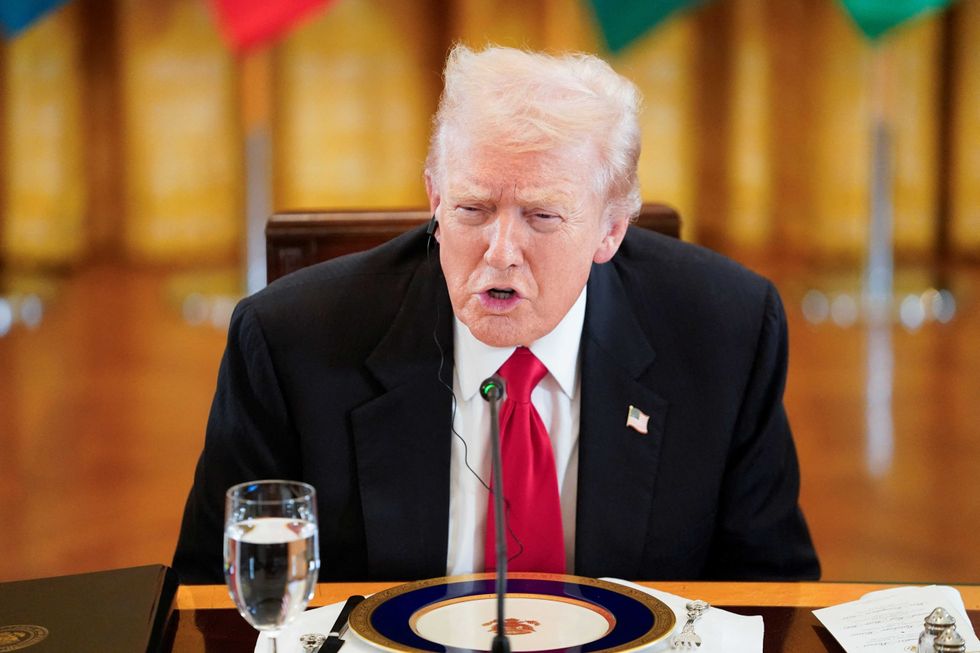
An ‘Uptober’ that began in traditional style with a Bitcoin rally of nearly 18% quickly soured after President Trump announced fresh 100% tariffs on Chinese imports and sweeping export controls on critical software.

The reaction was swift. Bitcoin tumbled over 13% from its highs above $126,000, briefly plunging to the low $107,000s as more than $19 billion in leveraged positions were wiped out in a matter of days, over $9.4 billion of that in just 24 hours.

Trade headlines bled into crypto, and a sense of déjà vu swept through the market. Echoes of the March–May correction, when a similar geopolitical flare-up triggered a 30% drawdown that stretched on for nearly three months, were impossible to ignore.​

Liquidity stress and contagion

Behind the price action, the mechanics were clear and brutal. As volatility surged, liquidity fragmented across exchanges. Altcoin markets dislocated, amplifying the selloff. The collapse of the USDE stablecoin and a cascade of liquidations revealed just how entwined crypto liquidity now is with global macro risk and headline shocks from Washington and Beijing.

Even with the Fed sparking risk-on sentiment with dovish talk, the speed and violence of the deleveraging exposed a structural vulnerability. Crypto is a high-beta liquidity asset, and when systemic risk spikes, it gets punished.​

Structural resilience beneath the turmoil

Yet beneath the volatility, the industry isn’t throwing in the towel. Institutional portfolios may have trimmed risk, but Bitcoin’s status as a macro hedge appears intact. Over 172 public companies now hold Bitcoin in their treasuries. And even as ETF outflows ticked up, retail buyers poured more than $1.1 billion into spot markets during the drawdown.

That said, headwinds will likely persist, ecoinometrics notes that previous drawdowns of this flavor didn’t resolve until risk appetite returned nearly three months later.

Bitcoin’s Bottom (Source: Ecoinmetrics)

With Bitcoin now struggling to defend support above $107,000 and October morphing into a battle of attrition, all eyes remain on U.S.-China trade tensions. If the March–May playbook repeats itself, macro-induced turbulence could persist into November before Bitcoin’s secular trend resumes.

For now, volatility is a feature, not a bug, and if history is any guide, recovery in crypto will come not from prediction, but from the gradual return of risk appetite and liquidity.

Mentioned in this article

Source: https://cryptoslate.com/trade-wars-and-bitcoin-blues-deja-vu-as-u-s-china-tensions-weigh-on-crypto/

Market Opportunity
Union Logo
Union Price(U)
$0.002501
$0.002501$0.002501
-0.31%
USD
Union (U) Live Price Chart
Disclaimer: The articles reposted on this site are sourced from public platforms and are provided for informational purposes only. They do not necessarily reflect the views of MEXC. All rights remain with the original authors. If you believe any content infringes on third-party rights, please contact service@support.mexc.com for removal. MEXC makes no guarantees regarding the accuracy, completeness, or timeliness of the content and is not responsible for any actions taken based on the information provided. The content does not constitute financial, legal, or other professional advice, nor should it be considered a recommendation or endorsement by MEXC.

You May Also Like

Ethereum unveils roadmap focusing on scaling, interoperability, and security at Japan Dev Conference

Ethereum unveils roadmap focusing on scaling, interoperability, and security at Japan Dev Conference

The post Ethereum unveils roadmap focusing on scaling, interoperability, and security at Japan Dev Conference appeared on BitcoinEthereumNews.com. Key Takeaways Ethereum’s new roadmap was presented by Vitalik Buterin at the Japan Dev Conference. Short-term priorities include Layer 1 scaling and raising gas limits to enhance transaction throughput. Vitalik Buterin presented Ethereum’s development roadmap at the Japan Dev Conference today, outlining the blockchain platform’s priorities across multiple timeframes. The short-term goals focus on scaling solutions and increasing Layer 1 gas limits to improve transaction capacity. Mid-term objectives target enhanced cross-Layer 2 interoperability and faster network responsiveness to create a more seamless user experience across different scaling solutions. The long-term vision emphasizes building a secure, simple, quantum-resistant, and formally verified minimalist Ethereum network. This approach aims to future-proof the platform against emerging technological threats while maintaining its core functionality. The roadmap presentation comes as Ethereum continues to compete with other blockchain platforms for market share in the smart contract and decentralized application space. Source: https://cryptobriefing.com/ethereum-roadmap-scaling-interoperability-security-japan/
Share
BitcoinEthereumNews2025/09/18 00:25
Husky Inu (HINU) Completes Move To $0.00020688

Husky Inu (HINU) Completes Move To $0.00020688

Husky Inu (HINU) has completed its latest price jump, rising from $0.00020628 to $0.00020688. The price jump is part of the project’s pre-launch phase, which began on April 1, 2025.
Share
Cryptodaily2025/09/18 01:10
SEC dismisses civil action against Gemini with prejudice

SEC dismisses civil action against Gemini with prejudice

The SEC was satisfied with Gemini’s agreement to contribute $40 million toward the full recovery of Gemini Earn investors’ assets lost as a result of the Genesis
Share
Coinstats2026/01/24 06:43