BitcoinWorld Shocking Legal Blow: OpenAI’s Sora App Blocked from Using ‘Cameo’ Feature Due to Trademark Dispute In a stunning legal development that has rocked the AI industry, OpenAI has been forced to confront a harsh reality: the word ‘cameo’ isn’t theirs to use. The company’s ambitious Sora social app has hit a major roadblock just as it was gaining momentum in the competitive AI landscape. OpenAI Faces Legal Setback Over Trademark Infringement U.S. District Judge Eumi K. Lee delivered a significant blow to OpenAI’s plans by imposing a temporary restraining order that prevents the company from using the term ‘cameo’ in its Sora application. The order, issued on November 21, 2025, represents a major legal challenge for the AI giant and highlights the complex intersection of trademark law and emerging technology. The Cameo Trademark Battle Heats Up At the heart of this dispute lies a fundamental question: can a company trademark a common English word? Cameo, the popular celebrity video message platform, has successfully argued that it holds exclusive rights to the term ‘cameo’ in the context of digital media and entertainment services. The legal confrontation underscores how established tech companies are protecting their brand identities against new AI entrants. Key Legal Developments: Temporary restraining order effective until December 22, 2025 Hearing scheduled for December 19, 2025 Order extends to similar-sounding words and phrases OpenAI continues using ‘cameo’ language despite the order Sora App’s Controversial Feature Faces Uncertain Future OpenAI’s Sora app launched with its Cameo feature, which allowed users to create deepfake videos of themselves or others with permission. The feature had already faced significant controversy, including intervention from Martin Luther King Jr.’s estate, before this latest legal challenge emerged. The trademark dispute adds another layer of complexity to an already contentious rollout. Temporary Restraining Order Creates Immediate Impact The court’s decision represents more than just a naming dispute—it could set important precedents for how AI companies navigate intellectual property rights. The temporary nature of the order suggests the court recognizes the need for careful consideration of both parties’ arguments while preventing potential consumer confusion in the interim. Date Event Significance November 21, 2025 Temporary restraining order issued Immediate blocking of ‘cameo’ usage December 19, 2025 Scheduled hearing Potential for permanent resolution December 22, 2025 Order expiration Decision point for next legal steps Industry Reactions and Statements Cameo CEO Steven Galanis expressed satisfaction with the court’s decision, stating: ‘We are gratified by the court’s decision, which recognizes the need to protect consumers from the confusion that OpenAI has created by using the Cameo trademark.’ Meanwhile, OpenAI maintains its position that no single company should have exclusive ownership over the word ‘cameo.’ What This Means for AI Legal Issues Moving Forward This case represents a watershed moment for AI companies navigating established legal frameworks. As AI continues to disrupt traditional industries, companies must carefully consider existing intellectual property rights and trademark protections. The outcome of this dispute could influence how AI startups name their features and services in the future. Key Takeaways for AI Developers: Conduct thorough trademark searches before naming products Consider potential conflicts with established brands Prepare for legal challenges in competitive markets Have contingency plans for feature renaming FAQs What is the Cameo app? Cameo is a platform where users can purchase personalized video messages from celebrities and influencers. The company has built a significant brand around its name and services. What is OpenAI’s position on the trademark dispute? OpenAI disagrees with the assertion that Cameo can claim exclusive ownership over the word ‘cameo’ and is challenging the trademark claim through legal channels. How long will the temporary restraining order last? The order is set to expire on December 22, 2025, at 5:00 PM, unless extended or modified by the court following the December 19 hearing. What companies and individuals are involved in this case? The primary parties are OpenAI, creator of the Sora app, and Cameo, the celebrity video message platform led by CEO Steven Galanis. The case is being heard by U.S. District Judge Eumi K. Lee. Has this affected Sora app’s functionality? As of the latest reports, the Sora app continues to use the ‘cameo’ language despite the court order, though the legal situation remains fluid. This legal confrontation between OpenAI and Cameo represents more than just a naming dispute—it’s a crucial test case for how established intellectual property rights will interact with rapidly evolving AI technologies. The outcome could shape naming conventions and trademark strategies across the entire AI industry for years to come. To learn more about the latest AI legal trends, explore our article on key developments shaping AI features and institutional adoption. This post Shocking Legal Blow: OpenAI’s Sora App Blocked from Using ‘Cameo’ Feature Due to Trademark Dispute first appeared on BitcoinWorld.BitcoinWorld Shocking Legal Blow: OpenAI’s Sora App Blocked from Using ‘Cameo’ Feature Due to Trademark Dispute In a stunning legal development that has rocked the AI industry, OpenAI has been forced to confront a harsh reality: the word ‘cameo’ isn’t theirs to use. The company’s ambitious Sora social app has hit a major roadblock just as it was gaining momentum in the competitive AI landscape. OpenAI Faces Legal Setback Over Trademark Infringement U.S. District Judge Eumi K. Lee delivered a significant blow to OpenAI’s plans by imposing a temporary restraining order that prevents the company from using the term ‘cameo’ in its Sora application. The order, issued on November 21, 2025, represents a major legal challenge for the AI giant and highlights the complex intersection of trademark law and emerging technology. The Cameo Trademark Battle Heats Up At the heart of this dispute lies a fundamental question: can a company trademark a common English word? Cameo, the popular celebrity video message platform, has successfully argued that it holds exclusive rights to the term ‘cameo’ in the context of digital media and entertainment services. The legal confrontation underscores how established tech companies are protecting their brand identities against new AI entrants. Key Legal Developments: Temporary restraining order effective until December 22, 2025 Hearing scheduled for December 19, 2025 Order extends to similar-sounding words and phrases OpenAI continues using ‘cameo’ language despite the order Sora App’s Controversial Feature Faces Uncertain Future OpenAI’s Sora app launched with its Cameo feature, which allowed users to create deepfake videos of themselves or others with permission. The feature had already faced significant controversy, including intervention from Martin Luther King Jr.’s estate, before this latest legal challenge emerged. The trademark dispute adds another layer of complexity to an already contentious rollout. Temporary Restraining Order Creates Immediate Impact The court’s decision represents more than just a naming dispute—it could set important precedents for how AI companies navigate intellectual property rights. The temporary nature of the order suggests the court recognizes the need for careful consideration of both parties’ arguments while preventing potential consumer confusion in the interim. Date Event Significance November 21, 2025 Temporary restraining order issued Immediate blocking of ‘cameo’ usage December 19, 2025 Scheduled hearing Potential for permanent resolution December 22, 2025 Order expiration Decision point for next legal steps Industry Reactions and Statements Cameo CEO Steven Galanis expressed satisfaction with the court’s decision, stating: ‘We are gratified by the court’s decision, which recognizes the need to protect consumers from the confusion that OpenAI has created by using the Cameo trademark.’ Meanwhile, OpenAI maintains its position that no single company should have exclusive ownership over the word ‘cameo.’ What This Means for AI Legal Issues Moving Forward This case represents a watershed moment for AI companies navigating established legal frameworks. As AI continues to disrupt traditional industries, companies must carefully consider existing intellectual property rights and trademark protections. The outcome of this dispute could influence how AI startups name their features and services in the future. Key Takeaways for AI Developers: Conduct thorough trademark searches before naming products Consider potential conflicts with established brands Prepare for legal challenges in competitive markets Have contingency plans for feature renaming FAQs What is the Cameo app? Cameo is a platform where users can purchase personalized video messages from celebrities and influencers. The company has built a significant brand around its name and services. What is OpenAI’s position on the trademark dispute? OpenAI disagrees with the assertion that Cameo can claim exclusive ownership over the word ‘cameo’ and is challenging the trademark claim through legal channels. How long will the temporary restraining order last? The order is set to expire on December 22, 2025, at 5:00 PM, unless extended or modified by the court following the December 19 hearing. What companies and individuals are involved in this case? The primary parties are OpenAI, creator of the Sora app, and Cameo, the celebrity video message platform led by CEO Steven Galanis. The case is being heard by U.S. District Judge Eumi K. Lee. Has this affected Sora app’s functionality? As of the latest reports, the Sora app continues to use the ‘cameo’ language despite the court order, though the legal situation remains fluid. This legal confrontation between OpenAI and Cameo represents more than just a naming dispute—it’s a crucial test case for how established intellectual property rights will interact with rapidly evolving AI technologies. The outcome could shape naming conventions and trademark strategies across the entire AI industry for years to come. To learn more about the latest AI legal trends, explore our article on key developments shaping AI features and institutional adoption. This post Shocking Legal Blow: OpenAI’s Sora App Blocked from Using ‘Cameo’ Feature Due to Trademark Dispute first appeared on BitcoinWorld.

Shocking Legal Blow: OpenAI’s Sora App Blocked from Using ‘Cameo’ Feature Due to Trademark Dispute
2025/11/25 06:45
4 min read
For feedback or concerns regarding this content, please contact us at crypto.news@mexc.com
Shocking Legal Blow: OpenAI's Sora App Blocked from Using 'Cameo' Feature Due to Trademark Dispute

BitcoinWorld
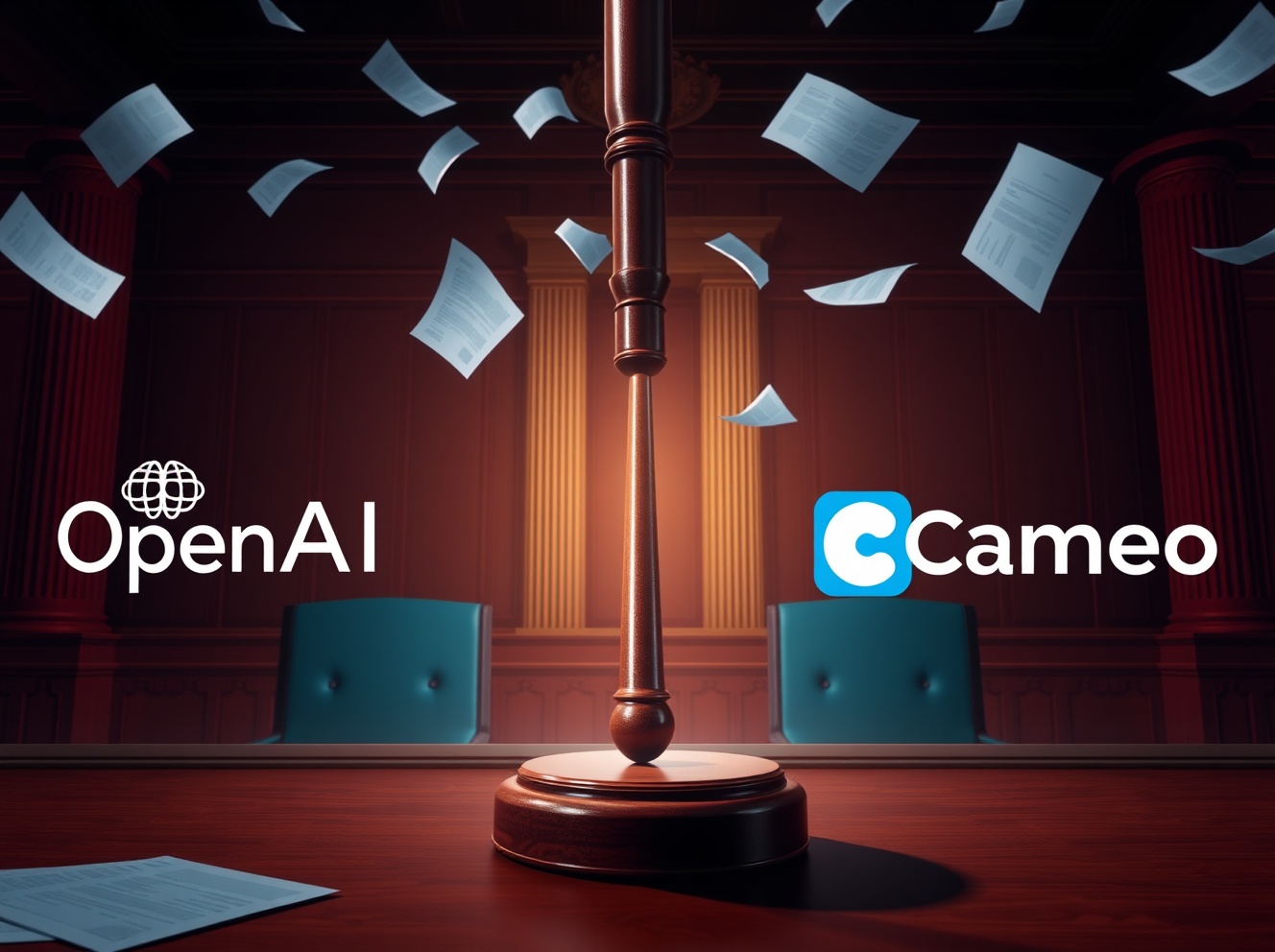
Shocking Legal Blow: OpenAI’s Sora App Blocked from Using ‘Cameo’ Feature Due to Trademark Dispute

In a stunning legal development that has rocked the AI industry, OpenAI has been forced to confront a harsh reality: the word ‘cameo’ isn’t theirs to use. The company’s ambitious Sora social app has hit a major roadblock just as it was gaining momentum in the competitive AI landscape.

OpenAI Faces Legal Setback Over Trademark Infringement

U.S. District Judge Eumi K. Lee delivered a significant blow to OpenAI’s plans by imposing a temporary restraining order that prevents the company from using the term ‘cameo’ in its Sora application. The order, issued on November 21, 2025, represents a major legal challenge for the AI giant and highlights the complex intersection of trademark law and emerging technology.

The Cameo Trademark Battle Heats Up

At the heart of this dispute lies a fundamental question: can a company trademark a common English word? Cameo, the popular celebrity video message platform, has successfully argued that it holds exclusive rights to the term ‘cameo’ in the context of digital media and entertainment services. The legal confrontation underscores how established tech companies are protecting their brand identities against new AI entrants.

Key Legal Developments:

  • Temporary restraining order effective until December 22, 2025
  • Hearing scheduled for December 19, 2025
  • Order extends to similar-sounding words and phrases
  • OpenAI continues using ‘cameo’ language despite the order

Sora App’s Controversial Feature Faces Uncertain Future

OpenAI’s Sora app launched with its Cameo feature, which allowed users to create deepfake videos of themselves or others with permission. The feature had already faced significant controversy, including intervention from Martin Luther King Jr.’s estate, before this latest legal challenge emerged. The trademark dispute adds another layer of complexity to an already contentious rollout.

Temporary Restraining Order Creates Immediate Impact

The court’s decision represents more than just a naming dispute—it could set important precedents for how AI companies navigate intellectual property rights. The temporary nature of the order suggests the court recognizes the need for careful consideration of both parties’ arguments while preventing potential consumer confusion in the interim.

Date Event Significance
November 21, 2025 Temporary restraining order issued Immediate blocking of ‘cameo’ usage
December 19, 2025 Scheduled hearing Potential for permanent resolution
December 22, 2025 Order expiration Decision point for next legal steps

Industry Reactions and Statements

Cameo CEO Steven Galanis expressed satisfaction with the court’s decision, stating: ‘We are gratified by the court’s decision, which recognizes the need to protect consumers from the confusion that OpenAI has created by using the Cameo trademark.’ Meanwhile, OpenAI maintains its position that no single company should have exclusive ownership over the word ‘cameo.’

What This Means for AI Legal Issues Moving Forward

This case represents a watershed moment for AI companies navigating established legal frameworks. As AI continues to disrupt traditional industries, companies must carefully consider existing intellectual property rights and trademark protections. The outcome of this dispute could influence how AI startups name their features and services in the future.

Key Takeaways for AI Developers:

  • Conduct thorough trademark searches before naming products
  • Consider potential conflicts with established brands
  • Prepare for legal challenges in competitive markets
  • Have contingency plans for feature renaming

FAQs

What is the Cameo app?
Cameo is a platform where users can purchase personalized video messages from celebrities and influencers. The company has built a significant brand around its name and services.

What is OpenAI’s position on the trademark dispute?
OpenAI disagrees with the assertion that Cameo can claim exclusive ownership over the word ‘cameo’ and is challenging the trademark claim through legal channels.

How long will the temporary restraining order last?
The order is set to expire on December 22, 2025, at 5:00 PM, unless extended or modified by the court following the December 19 hearing.

What companies and individuals are involved in this case?
The primary parties are OpenAI, creator of the Sora app, and Cameo, the celebrity video message platform led by CEO Steven Galanis. The case is being heard by U.S. District Judge Eumi K. Lee.

Has this affected Sora app’s functionality?
As of the latest reports, the Sora app continues to use the ‘cameo’ language despite the court order, though the legal situation remains fluid.

This legal confrontation between OpenAI and Cameo represents more than just a naming dispute—it’s a crucial test case for how established intellectual property rights will interact with rapidly evolving AI technologies. The outcome could shape naming conventions and trademark strategies across the entire AI industry for years to come.

To learn more about the latest AI legal trends, explore our article on key developments shaping AI features and institutional adoption.

This post Shocking Legal Blow: OpenAI’s Sora App Blocked from Using ‘Cameo’ Feature Due to Trademark Dispute first appeared on BitcoinWorld.

Market Opportunity
null Logo
null Price(null)
--
----
USD
null (null) Live Price Chart
Disclaimer: The articles reposted on this site are sourced from public platforms and are provided for informational purposes only. They do not necessarily reflect the views of MEXC. All rights remain with the original authors. If you believe any content infringes on third-party rights, please contact crypto.news@mexc.com for removal. MEXC makes no guarantees regarding the accuracy, completeness, or timeliness of the content and is not responsible for any actions taken based on the information provided. The content does not constitute financial, legal, or other professional advice, nor should it be considered a recommendation or endorsement by MEXC.

You May Also Like

Dogecoin Remains Inside Falling Channel, Bulls Target Surge Above $0.1

Dogecoin Remains Inside Falling Channel, Bulls Target Surge Above $0.1

Dogecoin is still trading in a far smaller range than long-time holders would have imagined a few months ago, and that is exactly what makes its technical setup
Share
NewsBTC2026/03/10 01:30
Wormhole Jumps 11% on Revised Tokenomics and Reserve Initiative

Wormhole Jumps 11% on Revised Tokenomics and Reserve Initiative

The post Wormhole Jumps 11% on Revised Tokenomics and Reserve Initiative appeared on BitcoinEthereumNews.com. Cross-chain bridge Wormhole plans to launch a reserve funded by both on-chain and off-chain revenues. Wormhole, a cross-chain bridge connecting over 40 blockchain networks, unveiled a tokenomics overhaul on Wednesday, hinting at updated staking incentives, a strategic reserve for the W token, and a smoother unlock schedule. The price of W jumped 11% on the news to $0.096, though the token is still down 92% since its debut in April 2024. W Chart In a blog post, Wormhole said it’s planning to set up a “Wormhole Reserve” that will accumulate on-chain and off-chain revenues “to support the growth of the Wormhole ecosystem.” The protocol also said it plans to target a 4% base yield for governance stakers, replacing the current variable APY system, noting that “yield will come from a combination of the existing token supply and protocol revenues.” It’s unclear whether Wormhole will draw from the reserve to fund this target. Wormhole did not immediately respond to The Defiant’s request for comment. Wormhole emphasized that the maximum supply of 10 billion W tokens will remain the same, while large annual token unlocks will be replaced by a bi-weekly distribution beginning Oct. 3 to eliminate “moments of concentrated market pressure.” Data from CoinGecko shows there are over 4.7 billion W tokens in circulation, meaning that more than half the supply is yet to be unlocked, with portions of that supply to be released over the next 4.5 years. Source: https://thedefiant.io/news/defi/wormhole-jumps-11-on-revised-tokenomics-and-reserve-initiative
Share
BitcoinEthereumNews2025/09/18 01:31
Bitcoin & Ethereum Inflows Hit 1-Year Low as Crypto Investors Brace for Fed Decision – BTC Eyes $120K

Bitcoin & Ethereum Inflows Hit 1-Year Low as Crypto Investors Brace for Fed Decision – BTC Eyes $120K

Bitcoin and Ethereum exchange inflows have dropped to a 1-year low indicating reduced selling pressure and investor reluctance to exit positions ahead of a potential U.S. Federal Reserve rate cut, with on-chain data revealing exchange inflows falling to a 7-day moving average of 25K BTC from 51K BTC in July.
Share
Coinstats2025/09/17 23:29