

Tether’s Bold Move: Unveiling QVAC Health, Your Ultimate Privacy-Focused Health App
BitcoinWorld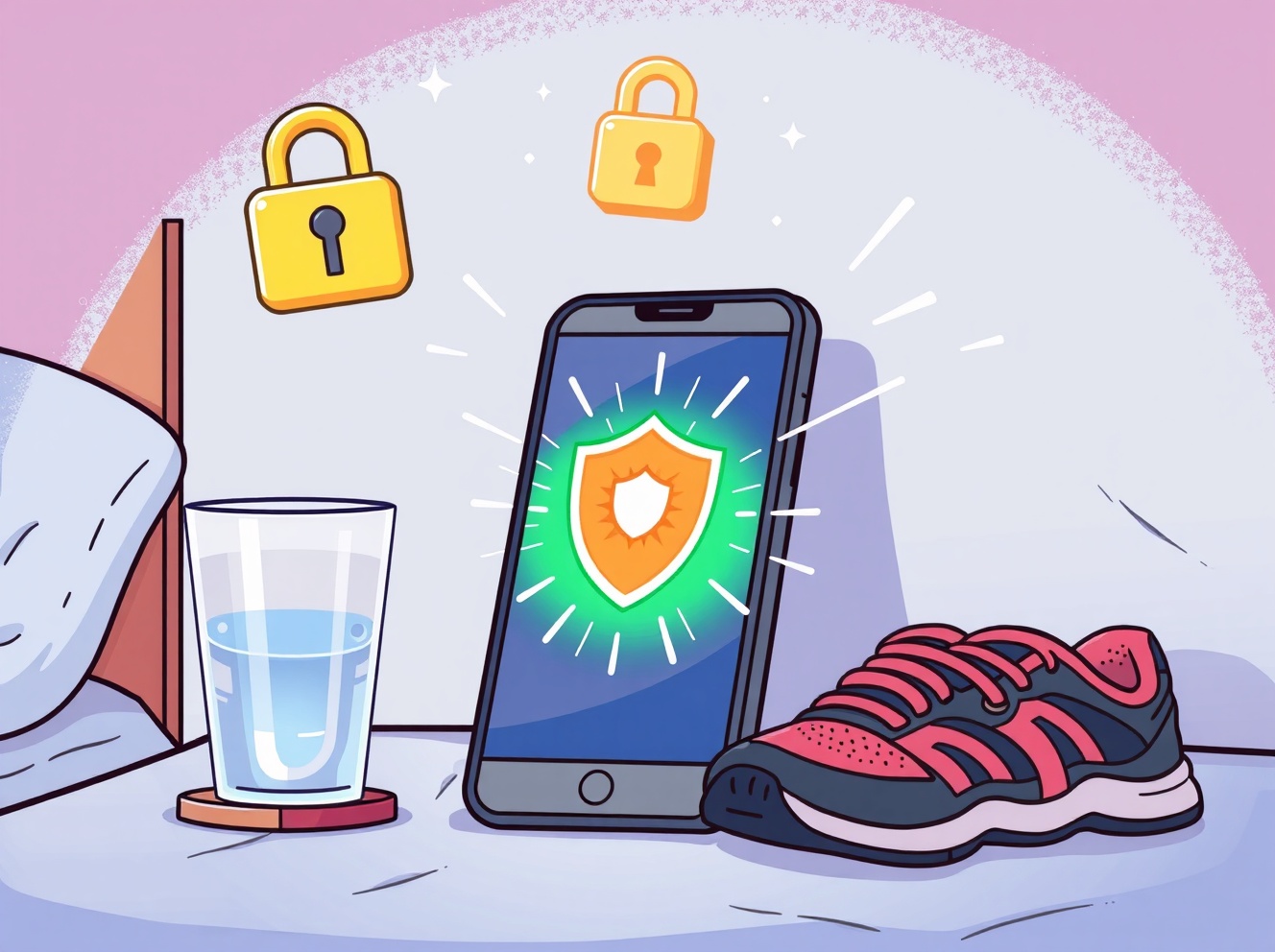
Tether’s Bold Move: Unveiling QVAC Health, Your Ultimate Privacy-Focused Health App
In a surprising pivot from stablecoins, Tether has just launched QVAC Health, a groundbreaking privacy-focused health app that puts your personal data back in your hands. This move signals a major shift for the crypto giant, directly tackling one of the digital age’s biggest concerns: who owns and controls your sensitive health information. If you’re tired of apps that trade your step count for targeted ads, this development demands your attention.
What Exactly Is Tether’s QVAC Health App?
QVAC Health is not your average fitness tracker. Built on Tether’s own AI development platform, this application acts as a personal health hub. It integrates and tracks various metrics like your daily steps, sleep quality, and exercise routines. However, the revolutionary part lies in its architecture. Unlike most apps that upload your data to the cloud, QVAC Health processes and stores everything locally on your device. This means your most personal information never leaves your phone or tablet, offering a new standard for digital wellness.
Why Does a Privacy-Focused Health App Matter Now?
Data breaches and intrusive advertising have made users rightfully skeptical. Every time you sync a run to a server, you potentially expose patterns about your life, location, and habits. Tether’s solution with QVAC Health is to eliminate that risk entirely. The app uses strong encryption on the device itself. Therefore, your data is not collected, sold, or transmitted to external servers for advertising. This approach addresses a critical need for genuine data sovereignty in an increasingly connected world.
The core benefits of this privacy-focused health app are clear:
- Local Data Storage: All health metrics are encrypted and saved directly on your smartphone.
- Zero Cloud Transmission: Your sleep patterns and exercise records are not sent to remote servers.
- No Advertiser Access: Tether states the data will not be used for any advertising purposes.
- User Empowerment: You maintain complete control over your personal health information.
How Does QVAC Health Work and What Can You Track?
The app is designed to be a comprehensive dashboard for your well-being. By leveraging on-device AI, it can synthesize data from various sources you permit. Imagine having a secure journal that logs your cardio sessions, monitors your resting heart rate trends, and analyzes your sleep cycles—all without that data ever being exposed to the internet. This local processing model is the cornerstone of its promise as a truly privacy-focused health app.
What Are the Potential Challenges for Tether’s New Venture?
While the privacy model is compelling, Tether faces significant hurdles. Firstly, can a company famous for cryptocurrency earn immediate trust in the sensitive health tech sector? Secondly, the local-only storage model presents a usability challenge: if you lose your device, you lose your health history unless you manage backups yourself. Furthermore, the app’s success will depend on its ability to provide insights and value that rival established, cloud-based platforms which use aggregated data to improve features.
The Bigger Picture: What This Means for the Future
Tether’s launch of QVAC Health is more than a new product; it’s a statement. It highlights a growing market demand for applications that prioritize security by design. This move could pressure other tech giants to offer similar privacy-centric options. For users, it represents a powerful choice: you no longer have to sacrifice privacy for convenience. The era of the privacy-focused health app may have just officially begun, led by an unlikely pioneer from the crypto world.
In conclusion, Tether’s QVAC Health is a bold and intriguing entry into the personal wellness space. By championing a device-first, no-cloud model, it directly addresses modern privacy anxieties. While its long-term adoption and feature depth remain to be seen, it sets a new benchmark for how companies should handle sensitive user data. This app proves that with the right technology, you can indeed have powerful health insights without compromising your personal security.
Frequently Asked Questions (FAQs)
Q1: Is QVAC Health a cryptocurrency app?
A1: No, QVAC Health is not directly related to cryptocurrency. It is a health and wellness application built by Tether, a company best known for its USDT stablecoin. The app focuses on tracking health metrics with a strong emphasis on data privacy.
Q2: If my data is stored only on my device, what happens if I lose my phone?
A2: This is a key consideration. Since data is not synced to the cloud, losing your device could mean losing your health history. Users would likely need to proactively create encrypted backups of their device data to prevent total loss, a responsibility that shifts from the company to the user.
Q3: Will QVAC Health work with my Apple Watch or Fitbit?
A3> While the initial report does not specify compatibility details, for such an app to be useful, it would need to integrate with popular wearables and health platforms. Its ability to pull data from these devices while still keeping that data local will be a crucial technical feature to watch.
Q4: Is the QVAC Health app free to use?
A4: The current announcement from CoinDesk does not mention a pricing model. It could be offered as a free app, a paid app, or use a subscription model. The business model for a privacy-focused app that doesn’t monetize data is an important unanswered question.
Q5: How does this app’s privacy compare to Apple Health or Google Fit?
A5> Apple Health also emphasizes on-device processing and privacy, while Google Fit may use more cloud-based analytics. QVAC Health’s stated model of zero cloud transmission and no advertising data collection positions it as potentially more restrictive than some mainstream options, making its privacy claims very strong on paper.
Q6: Why is Tether, a crypto company, building a health app?
A6> This appears to be a strategic diversification for Tether, leveraging its expertise in secure digital systems and encryption. It demonstrates the company’s ambition to expand beyond finance into other technology sectors where data security is paramount.
Found this deep dive into Tether’s new privacy-focused health app enlightening? Share this article with your network on Twitter or LinkedIn to spark a conversation about the future of data privacy in health tech. Your friends in crypto and tech will thank you for the heads-up!
To learn more about the latest cryptocurrency trends, explore our article on key developments shaping the intersection of blockchain technology and mainstream consumer applications.
This post Tether’s Bold Move: Unveiling QVAC Health, Your Ultimate Privacy-Focused Health App first appeared on BitcoinWorld.


You May Also Like

Regulatory squeeze supports Rupee – MUFG

Loopring Price Prediction 2026, 2027 and 2030: Can LRC Be a Game-Changing Coin?



