Bitcoin Long-Term Holders Unleash Selling Pressure: What This Means for Your Portfolio
BitcoinWorld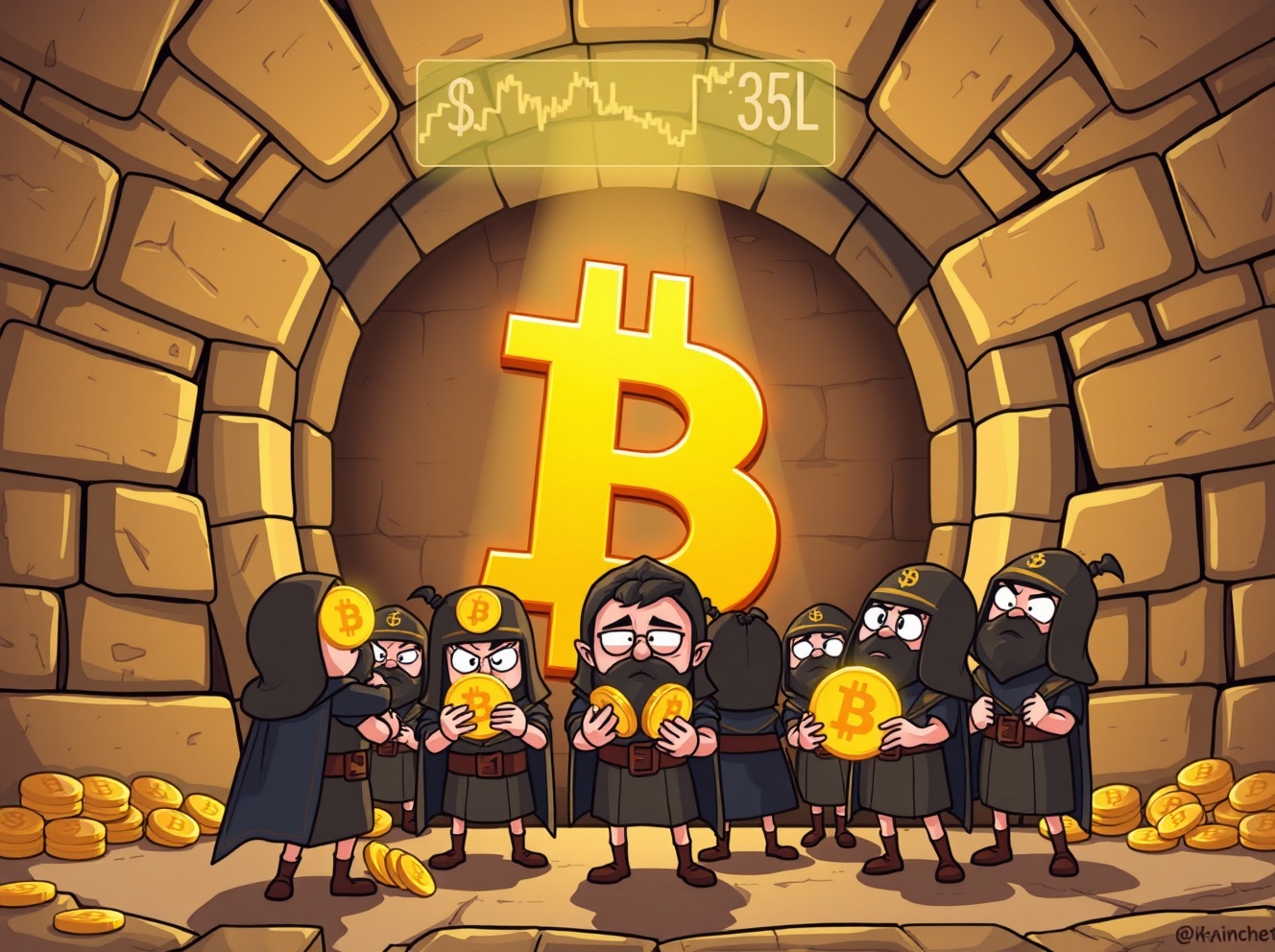
Bitcoin Long-Term Holders Unleash Selling Pressure: What This Means for Your Portfolio
Have you noticed increased volatility in the Bitcoin market recently? According to Glassnode analyst Chris Beamish, Bitcoin long-term holders are not just selling—they’re accelerating their sales volume. This trend represents a significant shift in market dynamics that every crypto investor should understand. Let’s explore what’s driving this behavior and what it means for the future of BTC.
Why Are Bitcoin Long-Term Holders Suddenly Selling?
Traditionally, Bitcoin long-term holders have been the bedrock of market stability. These investors typically hold their BTC for years, weathering market cycles with remarkable patience. However, recent data shows a concerning pattern: these steadfast holders are increasing their selling pressure. Glassnode’s analysis reveals this isn’t isolated profit-taking but a sustained trend amid persistent market challenges.
Several factors might explain this shift:
- Profit realization after previous accumulation phases
- Response to macroeconomic uncertainty and interest rate concerns
- Portfolio rebalancing strategies
- Addressing liquidity needs in a changing financial landscape
How Does This Selling Pressure Impact Bitcoin’s Price?
When Bitcoin long-term holders increase their selling, the market experiences immediate effects. These investors typically hold substantial amounts of BTC, meaning their transactions can significantly influence supply and demand dynamics. The increased selling pressure creates additional supply in the market, potentially suppressing price growth in the short term.
However, this situation isn’t entirely negative. Historical patterns show that when long-term holders distribute coins, it often leads to healthier market conditions in the longer run. The coins move from strong hands to new investors, potentially increasing market participation and liquidity. The key question remains: are we seeing strategic distribution or panic selling?
What Can Investors Learn From This Trend?
Understanding the behavior of Bitcoin long-term holders provides valuable insights for all market participants. These investors have historically demonstrated excellent timing, often accumulating during bear markets and distributing during bullish periods. Their increased selling might indicate several possibilities:
- Market topping signals: Long-term holders often sell near market peaks
- Risk management: Taking profits to secure gains amid uncertainty
- Portfolio optimization: Reallocating to other assets or opportunities
- Liquidity events: Addressing personal or institutional cash needs
For retail investors, this trend suggests the importance of monitoring on-chain metrics and understanding market cycles. While following the actions of Bitcoin long-term holders can be informative, each investor must consider their own risk tolerance and investment horizon.
Actionable Insights for Navigating Current Market Conditions
Given the increased selling pressure from Bitcoin long-term holders, what should investors do? First, avoid panic reactions. Market cycles naturally include distribution phases. Second, consider dollar-cost averaging to navigate volatility. Third, maintain a long-term perspective—Bitcoin has weathered numerous similar cycles before.
Remember that increased selling from long-term holders doesn’t necessarily predict a market crash. Often, it represents healthy profit-taking and wealth transfer. The crucial factor is whether new demand can absorb this increased supply. Monitoring exchange inflows and outflows alongside holder behavior provides a more complete picture.
The Bottom Line: Strategic Patience in Volatile Times
The increased selling pressure from Bitcoin long-term holders represents a normal market phase rather than a crisis. These experienced investors are likely executing planned strategies rather than reacting to fear. For the broader market, this distribution phase could establish stronger support levels and prepare the foundation for future growth.
Successful investing requires understanding market psychology and on-chain dynamics. While Bitcoin long-term holders are increasing their selling now, history shows they will likely become accumulators again when conditions change. The key is maintaining perspective and avoiding emotional decisions during these transitional periods.
Frequently Asked Questions
Who exactly are Bitcoin long-term holders?
Bitcoin long-term holders are addresses that have held their BTC for at least 155 days. These investors typically demonstrate strong conviction and often accumulate during bear markets.
Is this selling pressure a bear market signal?
Not necessarily. While increased selling from long-term holders often occurs near market tops, it can also represent healthy profit-taking within an ongoing bull market. Context matters significantly.
How can I track Bitcoin long-term holder behavior?
Platforms like Glassnode and CryptoQuant provide on-chain metrics tracking holder behavior, including the Long-Term Holder Supply metric and spent output age bands.
Should I sell my Bitcoin because long-term holders are selling?
Investment decisions should align with your personal strategy and risk tolerance. While monitoring holder behavior is useful, it shouldn’t override your planned investment approach.
What happens after long-term holders finish selling?
Historically, after distribution phases, markets often consolidate before the next accumulation phase begins. This can create buying opportunities for patient investors.
How does this affect Bitcoin’s long-term prospects?
Distribution phases are normal and healthy for markets. They transfer coins to new holders and can establish stronger support levels, potentially benefiting long-term network growth.
Share This Analysis
Found this analysis of Bitcoin long-term holders helpful? Share it with fellow investors who need to understand current market dynamics. Your share might help someone make more informed decisions in these volatile times. Click your preferred social media platform below to spread valuable insights!
To learn more about the latest Bitcoin market trends, explore our article on key developments shaping Bitcoin price action and institutional adoption.
This post Bitcoin Long-Term Holders Unleash Selling Pressure: What This Means for Your Portfolio first appeared on BitcoinWorld.
You May Also Like

CME Group to Launch Solana and XRP Futures Options

XRP Accumulation Resumes as Buyers Take Advantage of Oversold Conditions