

The European Union’s economic framework is still one of the most advanced and interconnected systems in the world market. As industrial production grows, the need for smooth logistics and standard packaging has reached an all-time high. The movement of goods in this complicated trade network depends a lot on how strong the platforms they rest on are. More and more businesses that work across borders are turning to South-East Europe to find timber solutions that are reliable, cheap, and high-quality, and that meet strict international rules.
In today’s European market, efficiency isn’t just about the product; it’s also about how reliable the whole supply chain is. Every industry needs a base that makes sure people are safe while they’re on the move, from the car hubs in Germany to the drug clusters in Benelux. This is where the strategic importance of manufacturing hubs in the Balkans comes into play. Serbia has become an important player in providing the tools needed for European distribution because its industrial capacity is growing and its location is good.
Finding Your Way Around the Digital Marketplace for Logistics
The digital world is full of ways for businesses to connect with direct manufacturers when they want to improve their purchasing processes. To stay ahead of the competition, you need to find a partner who knows both local craftsmanship and international standards. People who want to know everything about the timber packaging industry and see a lot of products should go to euro-palete.com. It gives a clear picture of the newest products. This platform connects high-capacity production with the unique needs of European logistics professionals.
Businesses can avoid many of the problems that come up in cross-border trade by being able to get materials that already meet EU rules, like heat treatment and moisture control. Companies can keep their logistics running smoothly by focusing on quality-assured products. This way, they can avoid costly delays at customs or distribution centers.
Serbia’s Regional Centers of Excellence
When international procurement managers or local business owners want to buy supplies from Serbia, they often start their search at local industrial hubs. If you’re looking for reliable timber platforms in Serbia online, try searching for Euro palete Beograd. This exact search will take you to providers who are located in the center of the country’s most important economic zone. The capital city and the industrial parks around it are the main routes for goods going to Central Europe. This makes it a good place to start any supply chain optimization.
The northern part of the country also has its own set of benefits, especially for businesses that work in agriculture and food processing. If you’re looking for suppliers in the northern industrial zones, another good way to find them is to search for: Euro palete Novi Sad. This area is well-known for being efficient and close to the borders of the European Union. Businesses in Hungary, Austria, or Romania can even get there faster.
The Future of European Trade and Sustainability
The European Union is moving toward a circular economy, which means that transport platforms need to last longer and be able to be used again. Durable wood products are leading the way in this movement because they are a renewable alternative to synthetic materials. Serbian manufacturers have spent a lot of money modernizing their production lines so that every unit they make can handle the stress of being moved around in European pallet exchange systems.
Buying high-quality pallets is more than just a purchase; it’s a strategic choice that affects a brand’s safety, insurance, and reputation. A damaged platform can damage cargo, which can cost a lot of money and hurt the environment by wasting resources. Businesses can be sure that their fleet will be structurally consistent if they choose suppliers who use advanced machinery like precision corner cutters and automated assembly lines.
Location and logistics advantages that are planned
One of the best reasons to look at the Serbian market is that it has key transit routes that make it easier to get around. Because the E-75 motorway is close by, goods can be quickly sent from factories to the main European corridors. This location advantage, along with a workforce that is very skilled at processing wood, makes it hard to beat in Western Europe, where labor and raw material costs are much higher.
As a procurement officer for a big multinational company, your job is always to find a balance between quality and cost. The Serbian timber industry has shown that it can do both. The regional centers of Belgrade and Novi Sad have a strong infrastructure that can handle large orders with precision, whether a company needs standard units for general warehousing or certified platforms for specialized export.
The end of the modern business
In conclusion, the European Union’s economy depends on the millions of pallets that move across the continent every day without anyone noticing. As the market changes, it becomes even more clear how important it is to get these things from trustworthy partners who are located in the right places. Businesses can lay the groundwork for growth by using digital tools like euro-palete.com and focusing on important regional hubs.
The fact that Serbian manufacturing is now part of the larger European supply chain shows how far the country has come in terms of industry. If you’re ready to improve your logistics, the best way to do it is to focus on established centers and use targeted search strategies. This will help you have a safe and successful future in international trade.
The European Union’s economic framework is still one of the most advanced and interconnected systems in the world market. As industrial production grows, the needThe European Union’s economic framework is still one of the most advanced and interconnected systems in the world market. As industrial production grows, the need
Strategic Supply Chain Solutions within the European Industrial Landscape
For feedback or concerns regarding this content, please contact us at crypto.news@mexc.com
Market Opportunity
Polytrade Price(TRADE)
$0.03782
$0.03782$0.03782
USD
Polytrade (TRADE) Live Price Chart


Disclaimer: The articles reposted on this site are sourced from public platforms and are provided for informational purposes only. They do not necessarily reflect the views of MEXC. All rights remain with the original authors. If you believe any content infringes on third-party rights, please contact crypto.news@mexc.com for removal. MEXC makes no guarantees regarding the accuracy, completeness, or timeliness of the content and is not responsible for any actions taken based on the information provided. The content does not constitute financial, legal, or other professional advice, nor should it be considered a recommendation or endorsement by MEXC.
You May Also Like
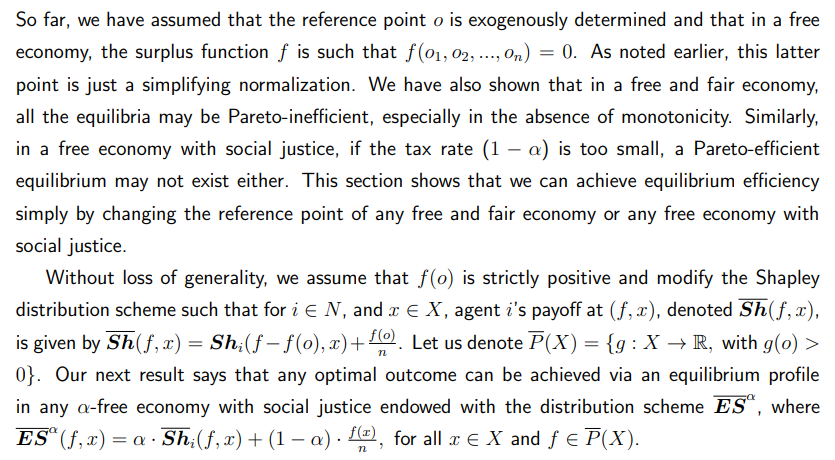
The Role of Reference Points in Achieving Equilibrium Efficiency in Fair and Socially Just Economies
This article explores how a simple change in the reference point can achieve a Pareto-efficient equilibrium in both free and fair economies and those with social justice.
Share
Hackernoon2025/09/17 22:30

Zcash Surges 22.9% as Privacy Coins Reclaim Market Attention in 2026
Zcash has posted a remarkable 22.9% gain in 24 hours, reaching $328.71 and securing the #21 market cap position. Our data analysis reveals significant shifts in
Share
Blockchainmagazine2026/04/08 18:07

White House Economists Oppose Ban on Stablecoin Yields
White House economists oppose prohibiting crypto platforms from offering yields on stablecoin deposits as Clarity Act debates heat up.
Share
CryptoPotato2026/04/08 18:17



