Coinbase expanded its listing roadmap with four new tokens: Raydium (RAY), Energy Dollar (ENERGY), Elsa (ELSA), and Sport Fun (FUN), contingent on meeting marketCoinbase expanded its listing roadmap with four new tokens: Raydium (RAY), Energy Dollar (ENERGY), Elsa (ELSA), and Sport Fun (FUN), contingent on meeting market

Coinbase to List Solana’s Leading DEX Token RAY Plus 3 Other Cryptocurrencies

Coinbase added four cryptocurrency tokens to its listing roadmap and plans to execute the trading launch once they meet certain conditions. The four tokens include Solana’s decentralized exchange Raydium (RAY), Energy Dollar (ENERGY), Elsa (ELSA), and Sport Fun (FUN).

Among the conditions, Coinbase requires “market-making support and sufficient technical infrastructure,” according to the announcement. These four tokens join a list of five other cryptocurrencies that had already been added to the listing roadmap, part of a transparency initiative from Coinbase.

RAY and ENERGY are Solana-based assets (SPL tokens) working on the contracts 4k3Dyjzvzp8eMZWUXbBCjEvwSkkk59S5iCNLY3QrkX6R and ENERGYi1ApwBAtGLKaeLZ4hRGMuPu1EG8PQTV4EDqFsW, respectively. Meanwhile, ELSA and FUN run on Base, using the contracts 0x4B974e866746958FDc9471cC59bDb980a196b420 and 0x16ee7ecac70d1028e7712751e2ee6ba808a7dd92, respectively.

Knowing the exact token contract is essential for traders and users to properly identify each asset on their networks for onchain operations like DEX trades or for wallet transactions like deposits and withdrawals to and from centralized exchanges like Coinbase.

The other cryptocurrencies—already part of the listing roadmap—are ImmuneFi (IMU), Sentient (SENT), Lighter (LIGHTER), Brevis (BREV), and MegaETH (MEGA), all ERC tokens.

Coinbase Listings: RAY, ENERGY, ELSA, and FUN

Raydium is one of Solana’s leading decentralized exchanges, currently with a total value locked of $1.56 billion and $11 billion of DEX volume in the last 30 days, according to data from DefiLlama on January 7.

RAY is the protocol’s governance and reward token, currently trading at $1.18.
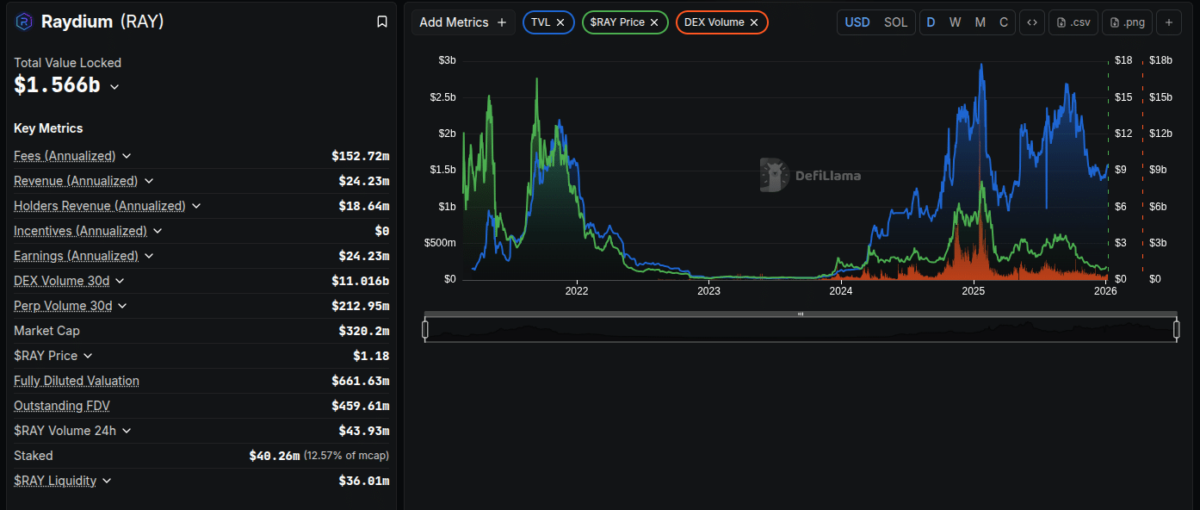
Raydium (RAY) onchain data as of January 7, 2026 | Source: DefiLlama

Raydium (RAY) onchain data as of January 7, 2026 | Source: DefiLlama

The Energy Network is a decentralized physical infrastructure network (DePIN) on Solana that coordinates energy resources, rewards smart energy behaviors, and creates a decentralized energy market, created by Fuse Energy, a company focused on energy superabundance and backed by investors like Multicoin Capital and Accel.

The ENERGY token serves as the native utility and rewards token. Users earn it for contributions like optimizing energy use or participating in the network. It functions as a digital rewards currency, incentivizes efficient behavior, and supports network governance and operations.

Sport.fun is an onchain fantasy sports and prediction platform on Base. Users buy, trade, and compete with fractional digital shares of real-world athletes across leagues like the NFL, FIFA, and basketball. It blends fantasy sports, skill-based gaming, prediction markets, and blockchain mechanics for transparent, trustless ownership and trading.

The FUN token is the native cryptocurrency. It powers in-platform transactions, fees, staking, rewards for gameplay, and potentially governance. The platform launched recently—with its token sale in December 2025 via platforms like Legion and Kraken—and emphasizes rewarded gameplay and athlete share trading.

Information on Elsa remains limited, as it appears to be a newer or lower-profile token on Base. No clear official project website, whitepaper, or detailed utility emerged from available sources.

Solana is in a prime moment, garnering significant interest from institutions like the recently reported disclosure from the Nasdaq-listed DeFi Dev Corp to make yield-farming onchain allocations on the network. Moreover, Morgan Stanley has filed for Bitcoin BTC $91 240 24h volatility: 1.5% Market cap: $1.82 T Vol. 24h: $58.02 B and Solana ETFs, aiming to offer regulated crypto exposure as institutions expand digital asset access.

Coinbase-owned Ethereum L2, Base, is not slowing down and looks to become a significant competitor to Solana as the “Everything Exchange” in 2026.

next

The post Coinbase to List Solana’s Leading DEX Token RAY Plus 3 Other Cryptocurrencies appeared first on Coinspeaker.


Market Opportunity
TokenFi Logo
TokenFi Price(TOKEN)
$0.005152
$0.005152$0.005152
+0.15%
USD
TokenFi (TOKEN) Live Price Chart
Disclaimer: The articles reposted on this site are sourced from public platforms and are provided for informational purposes only. They do not necessarily reflect the views of MEXC. All rights remain with the original authors. If you believe any content infringes on third-party rights, please contact service@support.mexc.com for removal. MEXC makes no guarantees regarding the accuracy, completeness, or timeliness of the content and is not responsible for any actions taken based on the information provided. The content does not constitute financial, legal, or other professional advice, nor should it be considered a recommendation or endorsement by MEXC.

You May Also Like

Unveiling Meta AR: Crucial AI Safety Measures Emerge Amidst Tech Regulation Challenges

Unveiling Meta AR: Crucial AI Safety Measures Emerge Amidst Tech Regulation Challenges

BitcoinWorld Unveiling Meta AR: Crucial AI Safety Measures Emerge Amidst Tech Regulation Challenges In the rapidly evolving landscape of digital innovation, the lines between the physical and virtual continue to blur. This week, the tech world buzzes with significant developments, from Meta’s ambitious augmented reality (AR) ventures confronting real-world hurdles to California’s renewed focus on artificial intelligence (AI) safety. For those deeply invested in the future of technology and digital economies, these shifts signal crucial implications for how we interact with technology, manage data, and navigate the regulatory maze. Join us as we unpack the latest on Meta AR, AI, robotics, and the ever-present hand of regulation that shapes our digital destiny. Meta AR: Unpacking Reality’s Ambitious Journey Meta’s vision for the metaverse, heavily reliant on sophisticated augmented reality (AR) and virtual reality (VR) technologies, has been a cornerstone of its strategic direction. The company has invested billions into its Reality Labs division, aiming to create immersive digital experiences that seamlessly blend with our physical world. However, as with any groundbreaking endeavor, the path is fraught with challenges. What Challenges Does Meta AR Face in the Real World? Technological Hurdles: Developing lightweight, powerful AR glasses that can project convincing digital overlays onto the real world, offer wide fields of view, and boast all-day battery life remains a monumental engineering task. Miniaturization, display technology, and processing power are still evolving. User Adoption: Convincing a broad consumer base to embrace AR glasses as a daily accessory requires overcoming social stigmas, comfort issues, and demonstrating compelling use cases beyond gaming or niche professional applications. The ‘killer app’ for widespread AR adoption is still emerging. Economic Viability: The significant R&D costs and the high price point of early AR devices pose a challenge to mass market accessibility. Achieving economies of scale and reducing manufacturing costs are critical for profitability. Privacy Concerns: AR devices, especially those with cameras and sensors constantly scanning the environment, raise profound privacy questions. How user data is collected, stored, and utilized will be a major point of contention and regulation. Despite these hurdles, Meta continues to push forward, understanding that the long-term potential of AR could redefine communication, commerce, and entertainment. The company’s persistent efforts in developing devices like the Quest series and future AR glasses demonstrate a firm belief in the eventual triumph of their Meta AR vision, even if the ‘reality’ of market readiness takes longer than initially projected. Why is AI Safety Becoming a Priority? California’s Renewed Focus As artificial intelligence becomes increasingly sophisticated and integrated into every facet of our lives, the imperative for robust AI safety measures grows stronger. California, often at the forefront of technological and regulatory trends, is once again taking a serious look at how to ensure AI systems are developed and deployed responsibly. What Does ‘AI Safety’ Entail, and Why is it Critical Now? AI safety refers to the field dedicated to ensuring that AI systems do not cause unintended harm, behave predictably, and remain aligned with human values and intentions. This includes preventing: Bias and Discrimination: AI models trained on biased data can perpetuate or amplify societal inequalities in areas like hiring, lending, or criminal justice. Misinformation and Manipulation: Advanced generative AI can create highly realistic fake content (deepfakes) that can be used for malicious purposes, eroding trust and stability. Autonomous System Failures: As AI powers self-driving cars, drones, and potentially more critical infrastructure, ensuring these systems operate without catastrophic errors is paramount. Job Displacement and Economic Disruption: While not a direct safety issue in the traditional sense, the societal impact of AI on labor markets requires careful consideration and policy responses. California’s renewed attention highlights a growing consensus among policymakers and tech leaders that proactive measures are necessary. This often involves developing ethical guidelines, establishing regulatory frameworks, and funding research into explainable AI, robust AI, and value alignment. The discussions around AI safety are not just about preventing catastrophe, but about building public trust and ensuring that AI serves humanity beneficially. Robotics Innovation: Beyond the Hype and Towards Practicality The field of robotics continues to advance at an incredible pace, moving beyond industrial arms on assembly lines to sophisticated machines capable of complex tasks in diverse environments. From autonomous delivery robots to surgical assistants, robotics innovation is reshaping industries and daily life. Where is Robotics Innovation Making the Biggest Impact? Sector Key Innovations & Impact Challenges Logistics & Warehousing Autonomous mobile robots (AMRs) for sorting, picking, and transporting goods, dramatically increasing efficiency and reducing labor costs. Integration with existing infrastructure, safety protocols for human-robot interaction. Healthcare Surgical robots for precision procedures, rehabilitation robots, and automated drug delivery systems improving patient care and operational efficiency. High cost, regulatory approval, ethical considerations for patient autonomy. Agriculture Robots for precision planting, harvesting, and crop monitoring, optimizing resource use and yield. Operating in unstructured outdoor environments, power sources, cost for small farms. Service Industry Cleaning robots, hospitality robots (e.g., serving food), and delivery robots enhancing customer experience and operational scalability. Public acceptance, complex navigation in dynamic human environments, maintenance. The convergence of AI, advanced sensors, and improved mechanical engineering is fueling this surge in robotics innovation. While the spectacle of humanoid robots often captures headlines, the true impact is being felt in more practical, specialized applications that automate repetitive, dangerous, or precise tasks, freeing up human workers for more creative and strategic roles. However, as robots become more autonomous, discussions around their ethical deployment and integration into society become increasingly important. Navigating the Complexities of Tech Regulation With rapid advancements in AI, AR, and robotics, the need for effective tech regulation has never been more pressing. Governments globally are grappling with how to foster innovation while protecting citizens’ rights, ensuring fair competition, and mitigating potential risks. This is a delicate balancing act, as overly restrictive regulations can stifle progress, while insufficient oversight can lead to harm. What are the Key Areas of Focus for Tech Regulation? Data Privacy: Regulations like GDPR in Europe and CCPA in California set standards for how personal data is collected, processed, and stored, impacting everything from personalized ads to AI training. Antitrust and Competition: Governments are scrutinizing the market dominance of large tech companies, investigating potential monopolistic practices and their impact on innovation and consumer choice. Content Moderation: Debates rage over platforms’ responsibilities for harmful content, misinformation, and hate speech, leading to calls for greater accountability and transparency. AI Ethics and Governance: Beyond safety, regulations are beginning to address the ethical implications of AI, including transparency, accountability, and the prevention of algorithmic bias. Cybersecurity: With increased reliance on digital infrastructure, regulations aim to strengthen cybersecurity defenses, mandate reporting of breaches, and protect critical systems. The challenge for tech regulation is to be agile enough to keep pace with technological change, yet robust enough to provide meaningful oversight. This often involves international cooperation, as technology transcends national borders, and a willingness to adapt regulations as new challenges and opportunities arise. The impact of these regulations can be profound, shaping business models, investment decisions, and the very trajectory of technological development. What Does This Mean for Future Tech and the Digital Economy? The interplay between Meta’s AR ambitions, the urgent calls for AI safety, the continuous march of robotics innovation, and the evolving landscape of tech regulation paints a vivid picture of our digital future. These aren’t isolated trends; they are deeply interconnected forces that will collectively shape the next generation of digital economies, including the burgeoning Web3 space. The convergence of these technologies promises a future where digital and physical realities are increasingly intertwined. Imagine decentralized autonomous organizations (DAOs) operating within AR environments, or AI-powered robots facilitating transactions on blockchain networks. However, this future also demands a proactive approach to governance and ethics. The lessons learned from the current push for AI safety and robust tech regulation will be invaluable in building a more secure, equitable, and sustainable digital world. For individuals and businesses alike, understanding these dynamics is crucial. It means being prepared for new forms of digital interaction, new types of data privacy challenges, and new opportunities for innovation that align with evolving societal expectations and regulatory frameworks. The decisions made today regarding these technologies will profoundly impact the digital experiences and economic structures of tomorrow. A Glimpse into Tomorrow: Navigating the Digital Frontier The journey into the future of technology is exhilarating yet complex. From Meta’s audacious quest to redefine human interaction through AR to California’s determined stance on AI safety, and the relentless march of robotics innovation met by the growing necessity of comprehensive tech regulation, we are witnessing a pivotal era. The conversations on podcasts like Equity, featuring experts like Anthony Ha, Kirsten Korosec, and Max Zeff, are more than just discussions; they are vital signposts guiding us through this intricate landscape. As these technologies mature, their impact on our daily lives, our economies, and our understanding of reality will only deepen. Staying informed, engaged, and critically aware of these developments is not just for tech enthusiasts, but for anyone looking to thrive in the inevitable digital future. To learn more about the latest AI market trends, explore our article on key developments shaping AI features and institutional adoption. This post Unveiling Meta AR: Crucial AI Safety Measures Emerge Amidst Tech Regulation Challenges first appeared on BitcoinWorld.
Share
Coinstats2025/09/20 01:45
How to earn from cloud mining: IeByte’s upgraded auto-cloud mining platform unlocks genuine passive earnings

How to earn from cloud mining: IeByte’s upgraded auto-cloud mining platform unlocks genuine passive earnings

The post How to earn from cloud mining: IeByte’s upgraded auto-cloud mining platform unlocks genuine passive earnings appeared on BitcoinEthereumNews.com. contributor Posted: September 17, 2025 As digital assets continue to reshape global finance, cloud mining has become one of the most effective ways for investors to generate stable passive income. Addressing the growing demand for simplicity, security, and profitability, IeByte has officially upgraded its fully automated cloud mining platform, empowering both beginners and experienced investors to earn Bitcoin, Dogecoin, and other mainstream cryptocurrencies without the need for hardware or technical expertise. Why cloud mining in 2025? Traditional crypto mining requires expensive hardware, high electricity costs, and constant maintenance. In 2025, with blockchain networks becoming more competitive, these barriers have grown even higher. Cloud mining solves this by allowing users to lease professional mining power remotely, eliminating the upfront costs and complexity. IeByte stands at the forefront of this transformation, offering investors a transparent and seamless path to daily earnings. IeByte’s upgraded auto-cloud mining platform With its latest upgrade, IeByte introduces: Full Automation: Mining contracts can be activated in just one click, with all processes handled by IeByte’s servers. Enhanced Security: Bank-grade encryption, cold wallets, and real-time monitoring protect every transaction. Scalable Options: From starter packages to high-level investment contracts, investors can choose the plan that matches their goals. Global Reach: Already trusted by users in over 100 countries. Mining contracts for 2025 IeByte offers a wide range of contracts tailored for every investor level. From entry-level plans with daily returns to premium high-yield packages, the platform ensures maximum accessibility. Contract Type Duration Price Daily Reward Total Earnings (Principal + Profit) Starter Contract 1 Day $200 $6 $200 + $6 + $10 bonus Bronze Basic Contract 2 Days $500 $13.5 $500 + $27 Bronze Basic Contract 3 Days $1,200 $36 $1,200 + $108 Silver Advanced Contract 1 Day $5,000 $175 $5,000 + $175 Silver Advanced Contract 2 Days $8,000 $320 $8,000 + $640 Silver…
Share
BitcoinEthereumNews2025/09/17 23:48
Why Is Crypto Down Today? Profit-Taking and ETF Outflows Pressure Market

Why Is Crypto Down Today? Profit-Taking and ETF Outflows Pressure Market

The post Why Is Crypto Down Today? Profit-Taking and ETF Outflows Pressure Market appeared on BitcoinEthereumNews.com. Crypto prices slipped as investors locked
Share
BitcoinEthereumNews2026/01/09 02:50