

Are Top Stablecoins Fallible? - They’ve Crashed in the Past
The crypto world seems to have a calm, stable center: stablecoins. These are digital assets created to have a stable value (typically $1) and mimic the price of a traditional (real-world) asset, often the U.S. dollar. Stablecoins are typically created in two ways: by backing each token with a traditional asset (fiat-backed) and by programming a stablecoin's price via code (algorithmic). This combination is what makes them both powerful and fragile in different ways.
\ They have proven in the past that they can definitely be disrupted through catastrophic events such as price crashes, depegs, liquidity challenges, and tighter regulations. In this piece, we'll highlight what has occurred and will likely continue to take place regarding this unique asset class.
Quick Case Studies: When Stable Cracked
The Terra ecosystem faced one of the largest disasters in cryptocurrency history. Back in May 2022, its algorithmic stablecoin UST couldn’t keep its $1 peg to the US dollar, which was maintained through a swap mechanism with its LUNA token. As confidence eroded in this system, there was a massive spike in UST redemptions, causing the value of this token to fall dramatically.
\ Consequently, as the market seized on the opportunity to redeem millions of dollars worth of UST, LUNA crashed under the weight of the sell pressure, creating a downward spiral that ultimately eliminated billions of dollars in value from both tokens. This collapse has been characterized by regulators and analysts as a "run" on a bank, whereby investors suddenly rush to withdraw funds in fear of a total collapse.
\ https://www.youtube.com/watch?v=1DolPqvLBaw&embedable=true
\n It wasn’t even the first time something like that happened in the crypto space. In June 2021, Iron Finance launched a partially collateralized stablecoin called IRON, which was secured by USDC and TITAN tokens. In the months leading up to the failure of this project, a number of large token holders decided to sell massive amounts of TITAN tokens, eroding confidence in the stablecoin. Iron Finance began minting an excess number of TITAN in an attempt to cover the shortfall caused by these redemptions. Ultimately, TITAN collapsed in price, and IRON lost its $1 peg and vanished.
More Popular Names
Even big names like Tether (USDT) and USD Coin (USDC) aren’t immune. In 2018, USDT's pegging to the US dollar was affected for some time due to a lack of thrust caused by insufficient transparency. This is still an ongoing problem for them.
\ Years later, in 2023, Circle revealed that over $3 billion in assets backing their USDC were held at the Silicon Valley Bank (SVB), just when that institution collapsed. That caused a lot of concern, and many people sold off their coins at the same time. As a result, the stablecoin briefly fell below one dollar on certain exchanges.
\ At least, they were able to recover, but these episodes show that no stablecoin (or any kind of money, really) is immune. Whether backed by fiat, crypto, or code, panic can cause some pretty bad situations.
Usual Triggers for Depegs and Crashes
A few scenarios often lead to de-pegging stablecoins from their underlying assets. One common trigger is an unexpected onslaught of withdrawals. This can occur because of several events, including, but not limited to: overblown rumors about weaknesses in backing, regulatory updates, hacking events, and delays in the release of asset reports—all of which can generate Fear, Uncertainty, and Doubt (FUD).
\ These factors aren’t always associated with real facts, though. Even a stablecoin fully supported by fiat (or beyond, any other bank) can face strain if it can’t access those funds quickly enough to meet everyone leaving at once.
Another trigger is counterparty or banking failure. Many stablecoins depend on real-world institutions like banks or custodians. If one of those partners fails or freezes access to assets, stablecoin issuers may not be able to redeem before disaster comes.
\ Reserve quality is a third factor. If reserves are tied up in illiquid investments or if the issuer doesn’t clearly report what they are holding, they can’t easily convert those assets into cash when needed. Finally, design flaws in the protocol itself can lead to disaster, as we’ve seen in previous cases. If the stabilization method is too fragile or the incentives are misaligned, the peg can break fast.
What If a Big Stablecoin Fails?
The large amount of stablecoins held worldwide means that one of these coins failing could create ripple effects throughout the crypto market and beyond. The potential or actual disruption of exchanges, lending platforms, payment services, etc., will be far-reaching. Such a fact hasn’t gone unnoticed by regulators, leading many governments to develop regulations regarding these assets.
\ Europe's Markets in Crypto Assets (MiCA) regulation is one big example of this. Beginning in 2024, all issuers of fiat-collateralized stablecoins must obtain a license and meet certain criteria. They need to provide an accurate market report and adhere to corporate governance principles and protections for consumers. Furthermore, algorithmic stablecoins have been banned.
\ 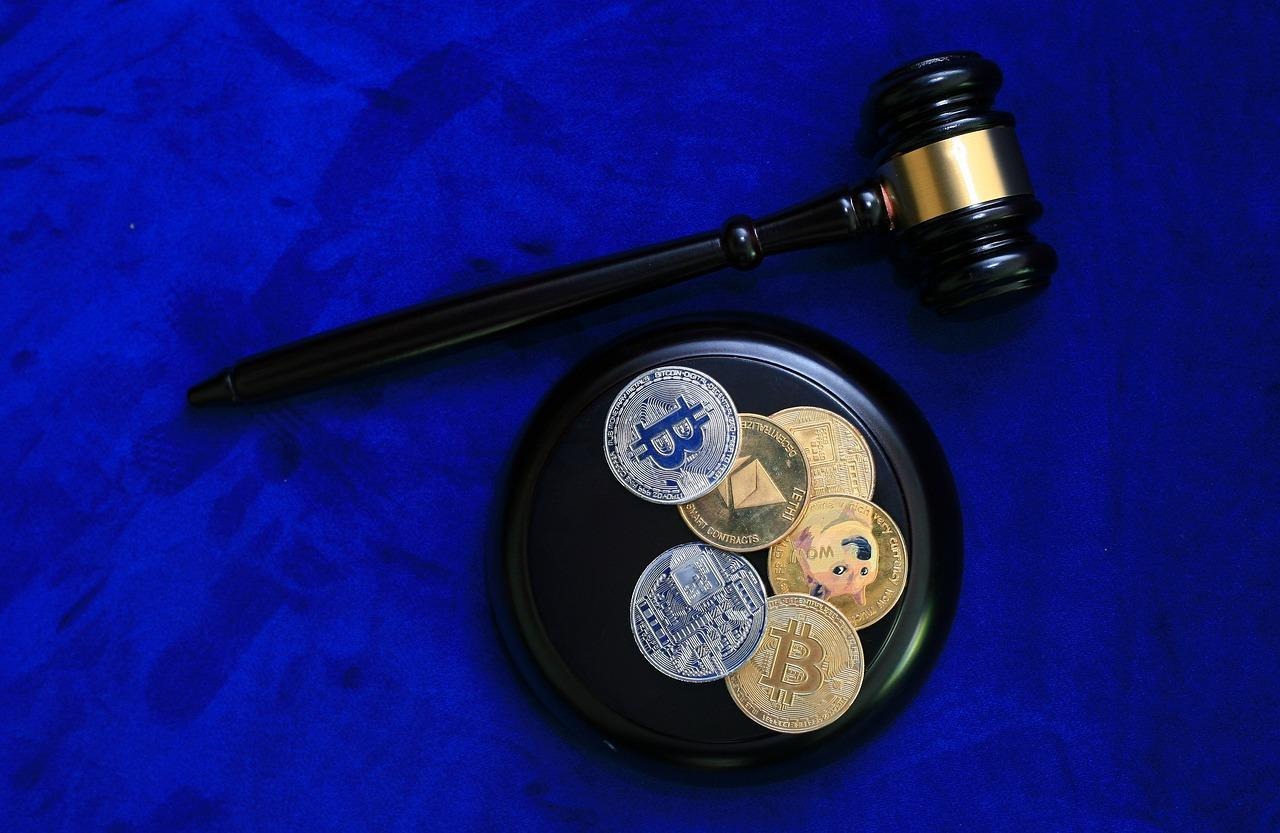
Meanwhile, in the United States, the GENIUS Act (Guiding and Establishing National Innovation for U.S. Stablecoins) took effect in July 2025. Under this legislation, stablecoin issuers will be required to establish and maintain a highly liquid reserve (such as cash or short-term Treasuries) to back their coins. They must also provide ongoing monthly reports about their reserves, not rehypothecate or reuse reserves for other purposes, comply with AML legislation, and receive federal approval before commencing operations.
\ Other regions aren’t standing on the sidelines. The United Arab Emirates, Singapore, Japan, Brazil, and the United Kingdom, for instance, have some rules already in place or are developing new ones. This wave of laws helps reduce the chances of a repeat of previous crashes by forcing transparency, strong reserves, and solid governance among major issuers.
Another Concern: Centralization and Censorship
Besides considering the financial risk of stablecoins, there’s also a risk of losing control of your assets. Many of the largest stablecoins (USDT and USDC, for instance) are issued by a centralized company that can freeze or blacklist user accounts after receiving a request from a court, regulator, or for any other internal reason. When a user holds this type of asset, they’re trusting not just the peg but also the issuer’s judgment and legal obligations. \n
The concentration of market share in the stablecoin space is concerning, too, as there are only a small number of issuers that dominate. As a result, if a major company has to take action (whether due to legal, technical, or financial reasons), then a mass disruption will occur to all users and related protocols. If a major issuer were required to freeze accounts, then the wallets of numerous users would also be frozen. That undermines one of the core appeals of crypto: control and autonomy.
\ Some people would prefer to have the ability to hold tokens without having to rely on a centralized party that has the authority to block or freeze their assets. On the other hand, many would prefer to rely on a middleman, as this provides a level of legal compliance and allows for stable liquidity. Ultimately, the choice is between convenience and control, and must be made with care.
How To Reduce Risk Exposure
Stablecoins can be used safely if you take some simple precautions to ensure you don’t lose your capital to riskier parties. The first step is to properly diversify your holdings. Don’t invest all your funds into just one stablecoin issuer—because if one issuer fails, you risk losing all of your capital.
\ Second, you should always check how transparent and accountable each of the issuers is by reviewing how often they publish reserves to the public, and if they are willing to submit themselves to independent third parties for verification. You should also keep a good part of your savings in tokens that aren’t centralized stablecoins, and even offline in a cold wallet, where no one but yourself can touch them.
\ If you wish to explore the more decentralized side of cryptocurrencies, you may look at Obyte. This is a complete ecosystem that uses a Directed Acyclic Graph (DAG) instead of a blockchain, meaning it has no miners, “validators”, or any type of intermediaries. You can use and create customized tokens here without needing any sort of centralized authority directing how assets are created or when they are frozen. Tokens on this network can resist censorship and adapt to different needs. \n
In summary, remember that stablecoins bring real value but also real risk. By paying attention to design, regulation, and who holds the power, we can use them more safely. We don’t have to give up on stability. We just need to be thoughtful.
Featured Vector Image by Freepik


You May Also Like

cirBTC Goes Live as Circle Eyes WBTC’s 85% Share
Zcash Ironwood Upgrade Locks In Consensus Rules, Eyes Late July Activation

Gov’t bolsters social protection



