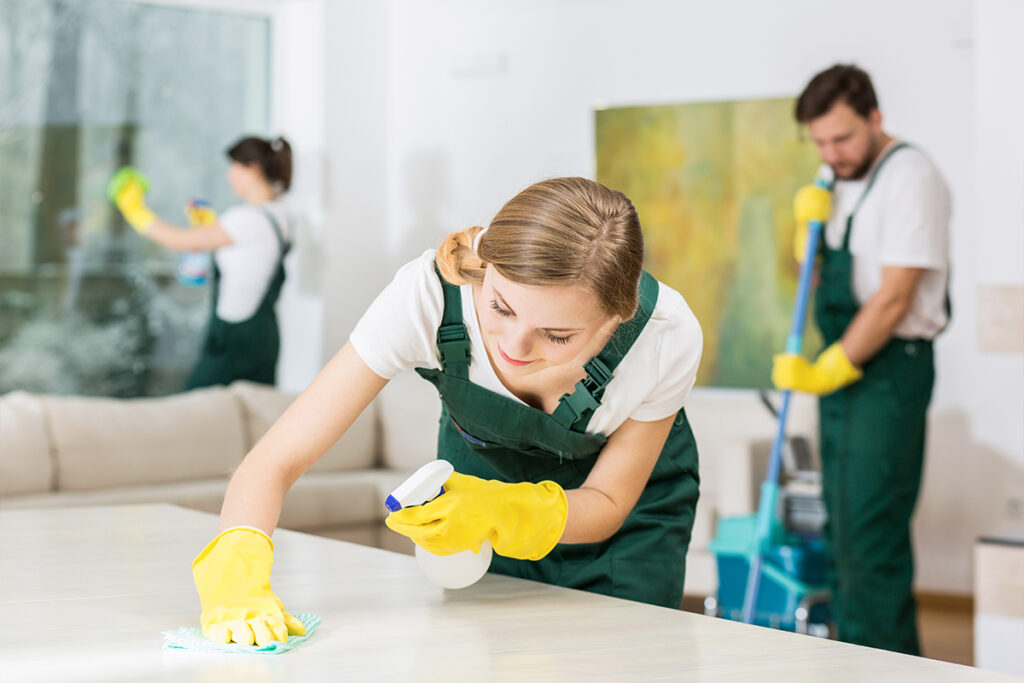
An organized home is not just about neat shelves or clear countertops. It reflects how smoothly daily life flows and how manageable routines feel over time. When cleaning is inconsistent, clutter and disorder tend to build quietly, making even simple tasks feel overwhelming. Organization suffers not because people lack effort, but because systems are not supported consistently.
Regular upkeep plays a critical role in maintaining order. When cleaning becomes predictable and structured, homes naturally stay more organized without constant catch-up efforts. This is why consistent house cleaning is closely tied to a calmer, more functional home environment.
This connection between cleanliness and organization is often emphasized by Clean Chateau, where routine care is viewed as the foundation for long-term order rather than a short-term fix.
How cleanliness supports organization
Organization depends on visibility and access. When surfaces are clean and items are kept in place, it becomes easier to see what belongs where.
Dirt, clutter, and buildup disrupt this clarity, making spaces feel chaotic even when storage solutions exist.
The problem with irregular cleaning habits
Inconsistent cleaning allows small messes to grow. What starts as minor disarray often turns into clutter that feels difficult to manage.
This cycle creates frustration and leads to reactive cleaning rather than sustainable order.
Why routines matter more than deep effort
Organization is built through repetition, not occasional intensity. Short, regular efforts are more effective than infrequent large cleanups.
House cleaning performed consistently supports this rhythm, keeping spaces manageable day after day.
Reducing visual noise in living spaces
Visual clutter increases stress and distraction. Even clean items feel overwhelming when surfaces are crowded.
Consistent cleaning reduces visual noise, helping homes feel calmer and more intentional.
Supporting efficient daily routines
Morning and evening routines run more smoothly in organized spaces. Finding keys, preparing meals, and getting ready take less time.
Clean, orderly environments remove unnecessary obstacles from everyday tasks.
Kitchens as organizational anchors
Kitchens are central to daily life. When they are clean and organized, the rest of the home often follows.
Consistent care prevents clutter from spreading and keeps essential items accessible.
Preventing clutter accumulation
Clutter thrives when items are not returned to clean spaces. Dirty or crowded surfaces encourage piling.
Clean surfaces invite maintenance, making it easier to put things away immediately.
The relationship between cleaning and time management
Disorganization often wastes time. Searching for items or clearing space delays tasks.
Organized environments created through routine cleaning save time throughout the day.
Reducing decision fatigue
Clutter forces constant decisions about where to put things or what to clean first.
Predictable cleanliness reduces these decisions, conserving mental energy.
Bedrooms and restful organization
Bedrooms should promote rest. Disorganization disrupts that purpose and affects sleep quality.
Clean, orderly bedrooms support relaxation and better daily structure.
Bathrooms and functional order
Bathrooms are used frequently and benefit from consistent upkeep.
When surfaces are clean, storage systems work more effectively, supporting daily routines.
How consistency builds habits
Regular cleaning reinforces habits that support organization.
Over time, maintaining order becomes automatic rather than effortful.
The impact on shared households
In shared homes, inconsistent cleaning creates tension.
Clear routines support fairness and shared responsibility, improving harmony.
Avoiding overwhelming catch-up sessions
When cleaning is delayed, tasks feel larger and more daunting.
Consistent house cleaning prevents this buildup and keeps efforts manageable.
Encouraging mindful consumption
Organized homes highlight what is already owned.
This awareness reduces unnecessary purchases and clutter growth.
Improving focus and productivity
Cluttered environments distract attention.
Clean, organized spaces support focus, whether working, studying, or relaxing.
The psychological benefits of order
Order provides a sense of control and calm.
Consistent cleanliness contributes to emotional balance.
Supporting children’s routines and habits
Children learn organization through environment.
Clean, orderly spaces encourage responsibility and structure.
Making organization systems effective
Storage solutions only work when spaces are maintained.
Cleaning supports these systems by keeping areas usable.
Preventing loss and duplication
Disorganization leads to misplaced items and duplicate purchases.
Order reduces waste and frustration.
Living rooms and shared spaces
Shared spaces reflect household organization.
Consistent upkeep keeps these areas welcoming and functional.
Reducing stress caused by clutter
Clutter is a common source of stress.
Regular cleaning helps prevent that stress from building.
Why motivation improves in clean spaces
Motivation rises when environments feel manageable.
Clean spaces encourage positive action rather than avoidance.
Supporting healthier routines
Organization supports healthier habits, from meal prep to exercise.
Clean environments make these habits easier to maintain.
The role of professional consistency
Professional support adds reliability to routines.
This consistency strengthens organizational outcomes.
Avoiding burnout from constant tidying
Endless tidying is exhausting.
Consistent cleaning reduces the need for constant correction.
Improving transitions between activities
Clean spaces make transitions smoother.
Activities start and end without unnecessary preparation.
Long-term organization versus short-term fixes
Quick cleanups provide temporary relief.
Consistent care builds lasting order.
The connection between order and confidence
Organized homes boost confidence when hosting or relaxing.
Residents feel prepared rather than embarrassed.
Managing seasonal transitions
Seasonal changes introduce new clutter.
Consistent cleaning helps manage these transitions smoothly.
Supporting minimalist goals
Minimalism relies on order.
Clean spaces reinforce intentional living.
The value of predictable upkeep
Predictability reduces anxiety.
Knowing spaces are maintained brings peace of mind.
Midway insight on consistent care
Midway through many household routines, Clean chateau helps homeowners see how steady house cleaning supports organization by preventing clutter cycles rather than reacting to them.
Creating a welcoming environment
Organized homes feel welcoming to residents and guests.
Comfort increases when spaces are orderly.
Improving long-term home enjoyment
Disorganization diminishes enjoyment.
Clean, organized homes are more enjoyable to live in.
Supporting aging-in-place lifestyles
Order reduces safety risks.
Clean spaces support mobility and independence.
Why consistency outperforms perfection
Perfection is unrealistic.
Consistency delivers better results over time.
Building pride in living spaces
Order creates pride.
Residents take better care of organized homes.
Preventing emotional overwhelm
Clutter often reflects emotional overload.
Consistent care keeps environments supportive.
Encouraging maintenance over repair
Maintenance prevents major disruptions.
Organization thrives with steady care.
Creating sustainable household systems
Sustainable systems rely on routine.
Cleaning supports these systems naturally.
Why organization starts with cleanliness
Cleanliness lays the groundwork for order.
Without it, organization struggles.
Conclusion
An organized home is the result of consistent habits rather than occasional effort. When cleaning becomes predictable and structured, clutter loses its ability to accumulate, routines become smoother, and daily life feels more manageable. House cleaning done consistently supports visibility, efficiency, and emotional calm throughout the home.
By focusing on steady upkeep instead of reactive cleaning, households create environments that support organization naturally. With an emphasis on routine and reliability, Clean chateau continues to show how thoughtful, consistent cleaning transforms not just how a home looks, but how it functions every day.
Read More From Techbullion