

Accelerators or incubators? A founder’s guide for India
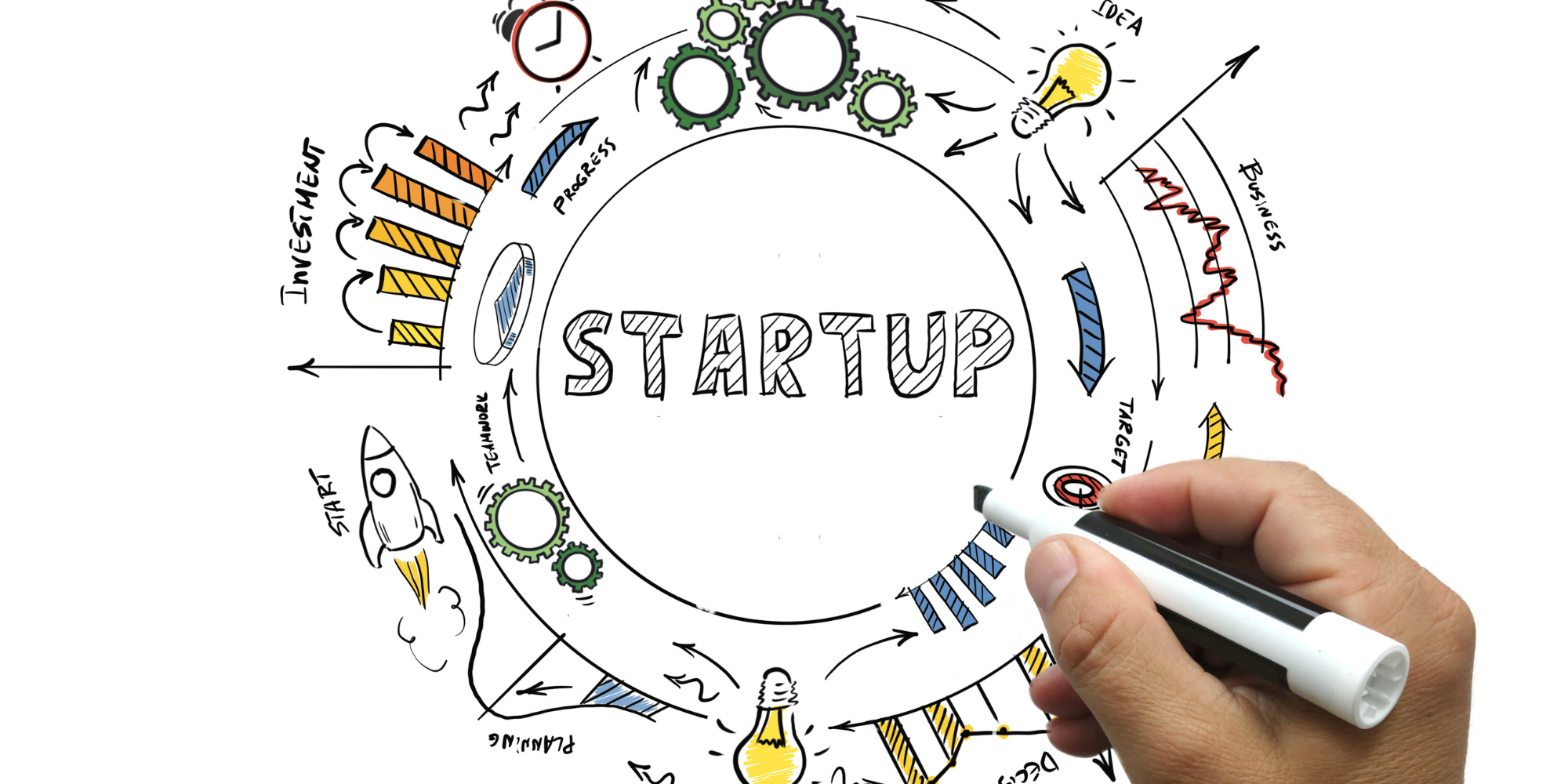
Picture a first-time founder in Kochi, Indiranagar, or IIT Madras Research Park. There is an idea, maybe an MVP, sometimes just a prototype. The instinct is simple. Apply everywhere and hope something works.
This is where most Indian founders go wrong. Accelerators and incubators in India are not interchangeable. Applying without understanding the difference between them leads to instant rejection, even for good ideas.
Most programmes receive between 500 and 2,000 applications per batch, and only a small fraction make it through. A wrong fit means your application is filtered out in minutes. Before funding, the real game is alignment. Your stage, your sector, and the programme you choose must match.
Accelerators vs incubators: The two very different paths

Indian founders do not just apply to programmes. They choose between two fundamentally different systems.
What accelerators are designed for
Accelerators are short, intense programmes that usually last three to six months. They are built for speed, pressure, and rapid execution.
Accelerators typically offer:
- Seed funding ranging from $100,000 to $500,000
- Mentorship from operators and investors
- Weekly targets and fast feedback
- Demo days and investor exposure
They expect:
- An MVP
- Early users, often 50 to 500
- Basic metrics like activation, retention, and CAC
- A full-time, execution-focused founding team
Top accelerator examples include , and .
What incubators are designed for
Incubators are long-term programmes that can last one to five years. They prioritise depth, research, and validation over speed.
Incubators typically offer:
- Office space and shared infrastructure
- Access to advanced labs and equipment
- Faculty and technical mentorship
- Government grants between Rs 10 lakh and Rs 50 lakh, often equity-free
- DPIIT and Startup India-linked programmes
They expect:
- A promising idea or early prototype
- Technical depth and innovation
- Research readiness
- Patient founders are willing to iterate slowly
Leading incubators include IIT Madras Incubation Cell, IISc FSID STEM Cell, SINE IIT Bombay, CIIE.CO at IIM Ahmedabad, and T-Hub Hyderabad.
Where YC, Antler, ISRO, and IITs fit in
Y Combinator
Y Combinator is best suited for startups that already show early traction and clear articulation. The programme expects fast weekly growth and sharp founder clarity. It works well for SaaS, AI, fintech, and marketplace startups that can scale quickly.
Antler India
Antler supports founders at the pre-idea or idea stage. It helps founders find co-founders and validate ideas before building. This makes it ideal for ambitious early builders who are still shaping their concept.
ISRO-linked incubation programmes
ISRO-linked incubators focus on space tech, hardware, deep science, and national priority technologies. These programmes value technical novelty, research depth, and long development cycles rather than fast revenue.
IIT and IISc incubators
IITs and IISc offer some of the strongest incubation support in India. These incubators are ideal for deeptech, climate tech, EVs, healthcare, robotics, and hardware startups that need lab access and long validation timelines.
What programmes actually look for in applications
Across accelerators and incubators, the evaluation funnel is far sharper than most founders expect. Applications are screened quickly, often in batches, and only those that meet basic readiness checks move forward.
Before applying, founders are typically expected to have DPIIT recognition, a formally incorporated company (usually a Private Limited), clearly defined founder roles and equity splits, and a clean cap table. A concise 10 to 15 slide pitch deck is essential, along with a basic financial model that outlines burn rate and runway.
Most rejections happen not because the idea is weak, but because these fundamentals are missing or unclear. Even strong ideas struggle to progress if the startup does not appear operationally ready or legally structured. Readiness, clarity, and execution matter just as much as innovation at this stage.
The five-step framework that works in India
The guide outlines a simple playbook that consistently improves acceptance odds:
- Get DPIIT recognition early to unlock grants and incubator pathways
- Build an India-relevant founder story rooted in the problem you are solving
- Show traction if applying to accelerators or innovation depth if applying to incubators
- Keep the pitch deck simple, honest, and jargon-free
- Apply to two or three well-matched programmes and follow up with progress updates
Remember, applying strategically beats applying everywhere.
Choosing the right path
Accelerators reward speed, traction, and growth. Incubators reward patience, depth, and innovation. Neither is better by default. The right choice depends entirely on your stage and sector. Founders who understand this early save months of wasted effort and dramatically increase their chances of getting accepted.
If you want the complete step-by-step guide with application checklists, timelines, and a three-month action plan, click here to access the full how-to guide.


You May Also Like
Cathie Wood’s ARK Invest Buys $13.7M in Circle Shares While Selling Robinhood Stock

The changing face of elder care in Malaysia — Sayed Mohammad Reza Yamani Sayed Umar

Goatseus Maximus (GOAT) Price Prediction 2026, 2027-2030



