

UK Lawmakers Hear Skepticism on Stablecoins as Lords Launch Regulation Inquiry
- A public session of the UK’s House of Lords Wednesday heard criticism of stablecoins including that they’re virtually useless outside of on- and off- ramping between fiat and crypto.
- Financial Times economics writer, Chris Giles, argued that stablecoins are unlikely to have much impact on the broader UK financial system and suggested they’re heavily used in crime, calling them “new suitcases of cash.”
- US law Professor Arthur E. Wilmarth Jr. called the passage of the GENIUS Act in the US a “terrible, disastrous,” mistake but was hopeful the UK’s stablecoin regulatory strategy would be more thoughtful.
A public session of the UK’s House of Lords Wednesday heard damning criticism of stablecoins, with one witness claiming they’re mainly used as on- and off- ramps for “worthless” crypto and are likely to play only a minor role in the nation’s financial future. The session was part of a UK parliamentary inquiry into how stablecoins should be regulated.
Testifying before the House’s Financial Services Regulation Committee (FSRC), Financial Times economics writer Chris Giles said that stablecoins had failed to capture any real momentum or adoption in the UK because of a lack of “clear legal underpinning and clear regulation,” making them a high-risk asset to hold.
Giles said he doubted that stablecoins could meaningfully displace the role of banks in the UK financial system, given that banks already offer very low-cost and almost instant money transfers.
He argued the only real role for stablecoins is as on- and off- ramps into crypto, which he described as an “intrinsically worthless asset,” and “not massively interesting or going to take over the world.”
The Financial Times commentator also argued that if stablecoins are to be used essentially as new payment rails, there’s no reason they should pay a yield. He said concerns about yield-bearing stablecoins disrupting the broader economy are overblown and that interest-bearing current accounts already exist and they haven’t “taken over the whole of our financial system.”
Stablecoins should be regulated as money, according to Giles, with strict collateralisation rules and a liquidity safety net to deal with sudden sell-offs. Giles also claimed stablecoins are particularly attractive for illicit use, characterising them as “new suitcases of cash” and arguing for more stringent Know Your Customer (KYC) and Anti-Money Laundering (AML) requirements.
Related: White House Pushes Crypto and Banks Toward Stablecoin Compromise
GENIUS Act a Terrible Mistake, Argues Witness
Another witness, US law professor Arthur E. Wilmarth Jr, told the hearing that, in his opinion, tokenised deposits are a superior alternative to stablecoins.
I do not see [stablecoins] as a natural component of the financial system. To me, anything that stablecoins can do tokenised deposits can do better.
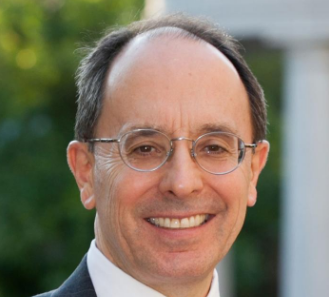 Arthur E. Wilmarth Jr, US law professor
Wilmarth also said he believed the passage in the US of stablecoin regulation known as the GENIUS Act was a “terrible” and “disastrous” mistake, as it allowed non-banks to issue stablecoins.
“I feel very strongly that a payment device like a stablecoin should only be offered by a fully regulated bank,” Wilmarth said.
Related: Visa, Mastercard Play Down Stablecoins for Payments as Consumer Demand Falls Short
Wilmarth described these non-bank issued stablecoins as a form of regulatory arbitrage whereby less tightly regulated issuers get into what he referred to as the “money business,” and undermine the regulatory framework that has been created “over centuries within the banking system.”
The law professor added that while the US made many unfortunate mistakes in its regulation of stablecoins, he believes the UK is pursuing a more thoughtful regulatory strategy.
The post UK Lawmakers Hear Skepticism on Stablecoins as Lords Launch Regulation Inquiry appeared first on Crypto News Australia.


You May Also Like

This ChatGPT portfolio just outperformed the entire stock market within weeks

Trump cancels envoy trip, Iran ceasefire talks uncertain




