

Blockchain Education Hub Future House Launches Revolutionary Learning Space in Seoul’s Tech District
BitcoinWorld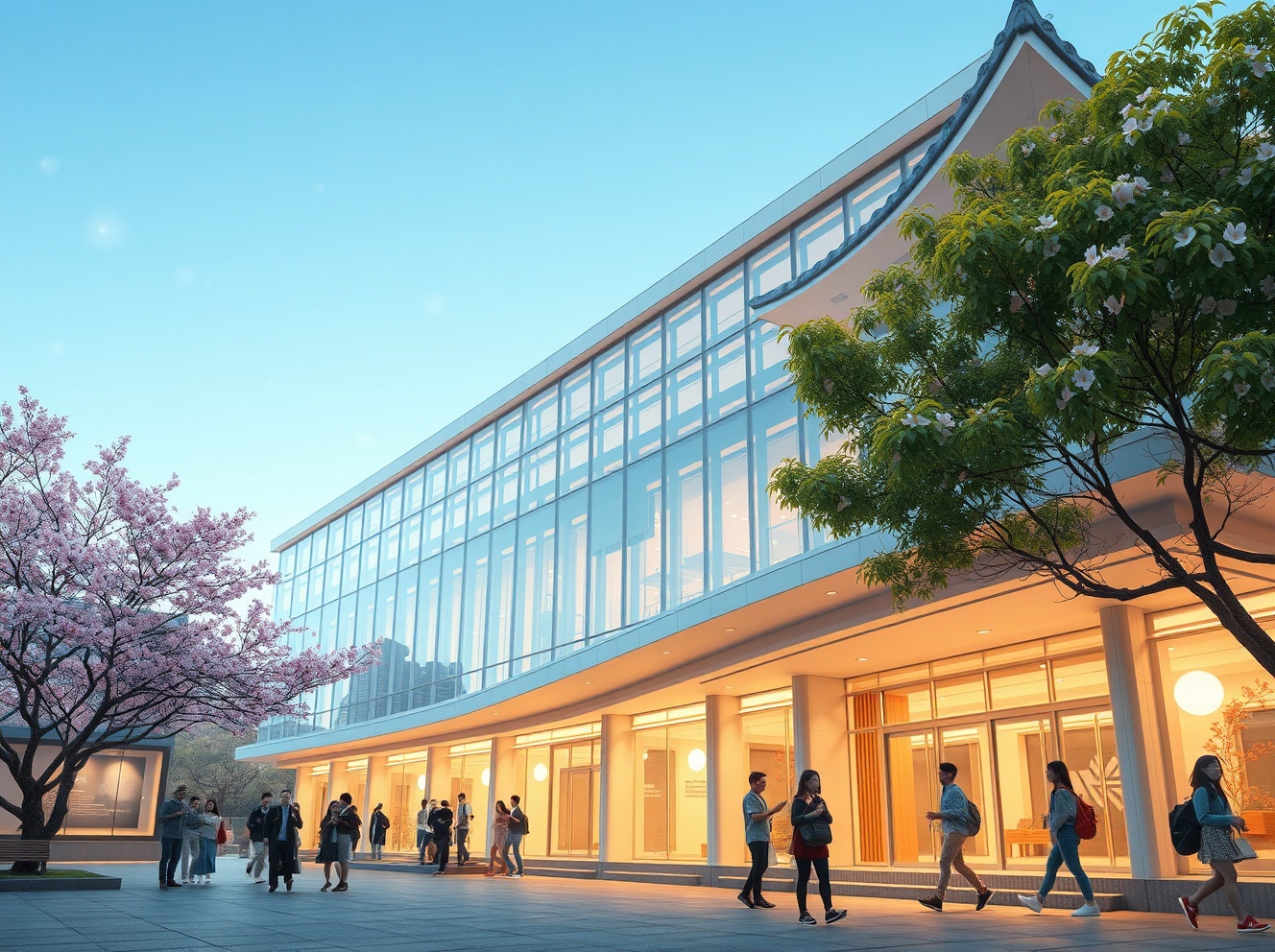
Blockchain Education Hub Future House Launches Revolutionary Learning Space in Seoul’s Tech District
SEOUL, South Korea – December 2024 – A groundbreaking educational institution dedicated exclusively to blockchain technology has officially opened its doors in the heart of Seoul’s prestigious Cheongdam-dong district. Future House represents a significant development in South Korea’s rapidly evolving digital asset landscape, establishing the nation’s first permanent, project-neutral blockchain education hub. This innovative center arrives at a crucial moment, as global demand for structured blockchain education surges alongside increasing institutional adoption.
Future House Blockchain Education Center: A New Model for Learning
Unlike typical cryptocurrency meetups or project-specific seminars, Future House operates as a dedicated educational facility with a clear, neutral mandate. The institution explicitly avoids promoting specific blockchain projects or offering investment advice. Instead, it focuses on foundational knowledge and practical skills. This approach directly addresses a critical gap in the market: the need for unbiased, comprehensive education in a field often clouded by hype and speculation.
South Korea has consistently ranked among the world’s most active cryptocurrency markets. According to recent data from the Financial Services Commission, over 6 million South Koreans, approximately 10% of the population, have engaged with digital assets. However, regulatory reports have repeatedly highlighted a corresponding need for improved public understanding of blockchain fundamentals, security, and risk management. Future House positions itself as a direct response to this identified need.
Comprehensive Curriculum and Structured Programs
The core offering at Future House is a meticulously designed six-week regular course. This program provides a structured learning path for professionals and enthusiasts seeking to move beyond surface-level understanding. The curriculum is built on four foundational pillars designed to create competent and cautious participants in the digital economy.
- Blockchain Fundamentals: This module covers the underlying technology, including distributed ledger mechanics, consensus mechanisms like Proof-of-Work and Proof-of-Stake, and smart contract functionality.
- On-Chain Analysis: Students learn to interpret blockchain data, track transactions, and analyze wallet activity using tools similar to those employed by professional analysts.
- Risk Management and Security Practices: A critical component focusing on private key custody, recognizing scams, understanding regulatory landscapes, and implementing robust personal security protocols.
- Digital Asset Market Structure: This section examines exchanges, decentralized finance (DeFi) protocols, non-fungible token (NFT) ecosystems, and the broader economic drivers of the crypto market.
Furthermore, Future House will curate a selective membership program. Admission will be based on demonstrated community participation and a commitment to learning, fostering a collaborative environment rather than a purely transactional one.
The Developer Track: Building the Next Generation of Engineers
Recognizing the global shortage of skilled blockchain developers, Future House includes a dedicated technical track. This program moves beyond theory into hands-on engineering. Participants will engage with programming languages like Solidity for Ethereum-based applications and Rust for Solana development. The curriculum also covers smart contract auditing, decentralized application (dApp) architecture, and interoperability solutions. This focus on development talent aligns with South Korea’s national strategy to cultivate homegrown expertise in frontier technologies.
Practical Workshops and Community Networking Hub
Beyond formal courses, Future House will host regular practical workshops. These sessions are designed for immediate, hands-on application. For example, workshops will guide participants through secure wallet installation, multi-signature setup, and the safe interaction with various on-chain applications like DeFi platforms. This practical emphasis ensures learners can confidently apply their knowledge.
Equally important is the center’s role as a community nexus. The physical space in Cheongdam-dong—a neighborhood synonymous with high-end retail and corporate headquarters—provides a professional venue for networking. Corporate professionals, fintech entrepreneurs, and traditional finance executives now have a dedicated, neutral ground to connect, discuss trends, and explore collaborations. This community function is vital for fostering the interdisciplinary dialogue necessary for mature industry growth.
Context and Impact on South Korea’s Regulatory Landscape
The opening of Future House occurs within a specific regulatory context. South Korea’s government has progressively implemented stricter regulations for cryptocurrency exchanges and service providers, notably the Travel Rule and real-name account systems. The Financial Services Commission has simultaneously emphasized investor education as a pillar of consumer protection. An institution like Future House, which prioritizes education over promotion, complements these regulatory efforts by creating a more informed participant base.
Industry experts view this development positively. “The maturation of any technological sector requires trusted, neutral spaces for education,” noted Dr. Min-ji Park, a fintech researcher at Seoul National University. “Future House’s model—separating education from promotion—could set a new standard, potentially reducing information asymmetry and fostering more sustainable participation in the blockchain ecosystem.”
Conclusion
The launch of the Future House blockchain education hub in Seoul marks a pivotal step toward institutionalizing knowledge in the digital asset sector. By providing structured, neutral, and practical education alongside a professional community space, it addresses both the skill gap and the networking needs of a rapidly evolving industry. As blockchain technology continues to integrate into traditional finance and business, centers of learning like Future House will play an essential role in building a knowledgeable, secure, and innovative ecosystem. Its success could inspire similar models globally, highlighting the universal need for quality blockchain education.
FAQs
Q1: What is the main purpose of Future House in Seoul?
Future House serves as a permanent, neutral education center and community hub focused exclusively on blockchain technology and digital assets. It provides structured courses and workshops without promoting specific projects or offering investment advice.
Q2: Who can attend courses at Future House?
The programs are designed for a range of participants, from professionals in finance and technology seeking to understand blockchain to developers wanting hands-on engineering skills. Some membership programs may have selection criteria based on community engagement.
Q3: Does Future House offer cryptocurrency trading advice?
No. The institution maintains a strict policy against providing investment or trading advice. Its curriculum focuses on foundational technology, security, market structure, and practical application skills.
Q4: How does Future House’s approach differ from other crypto events?
Unlike one-time seminars or project-sponsored meetups, Future House offers a permanent physical space and a structured, multi-week curriculum. Its neutral, educational-first model distinguishes it from events that may prioritize promotional agendas.
Q5: Why is the location in Cheongdam-dong significant?
Cheongdam-dong is a prestigious district in Seoul known for corporate headquarters and high-end business. This location provides a professional setting conducive to networking among corporate professionals, fintech leaders, and traditional finance executives.
This post Blockchain Education Hub Future House Launches Revolutionary Learning Space in Seoul’s Tech District first appeared on BitcoinWorld.


You May Also Like

Why epigenetics, mental health matter in typhoon season
'My god': Mike Johnson ridiculed mercilessly after new 'embarrassing' omission

Questions about Trump's criminal liability arise as Mueller prosecutor sees immunity crack



