Renting vs Buying Ships: Which is Better in Star Citizen 4.2?

Ships are a big part of Star Citizen 4.2. Whether you are running cargo across Stanton, exploring moons, or chasing bounty targets, the ship you fly shapes how you play the game. But when it comes to getting one, you have two main options: rent or buy.
Both have their uses. Renting is a good way to try out different ships without spending too much. Buying gives you a ship you fully own and can keep for the long run. But with so many ships to choose from, and not always enough aUEC to go around, it is not always clear which option is better.
In this guide, we will look at how ship renting and buying work in Star Citizen 4.2, go through the pros and cons of each, and help you decide which one fits how you want to play.
How Can You Get Ships in Star Citizen 4.2?
There is no shortage of ships to choose from in Star Citizen 4.2. How you get one depends on your budget and goals. Some players prefer to rent and explore different ships first. Others aim for permanent ownership through in-game earnings or pledging.
You can acquire ships in three main ways:
\
-
Renting
Temporary access using in-game currency (aUEC) for a set period (1, 3, or 7 days). Renting is useful if you want to test a ship’s handling, performance, or role without committing your hard-earned aUEC. Once the rental period ends, the ship disappears from your inventory.
\
-
Buying with aUEC
Permanent ownership using in-game currency earned through gameplay. Ships bought with aUEC stay in your personal fleet, ready to use anytime. This is the main progression path for most players and lets you build a fleet at your own pace.
\
-
Pledging (Buying with Real Money)
Permanent ownership by purchasing ships with real money through the official Star Citizen website. Pledged ships help support game development and often include exclusive or limited-time models not available in-game. However, pledging is optional and not required to fully enjoy the game.
Renting Ships in Star Citizen 4.2
Renting ships is one of the easiest ways to get started with new ships in Star Citizen 4.2. Whether you want to test a ship before buying or need one for a specific mission, rentals give you short-term access without a big commitment.
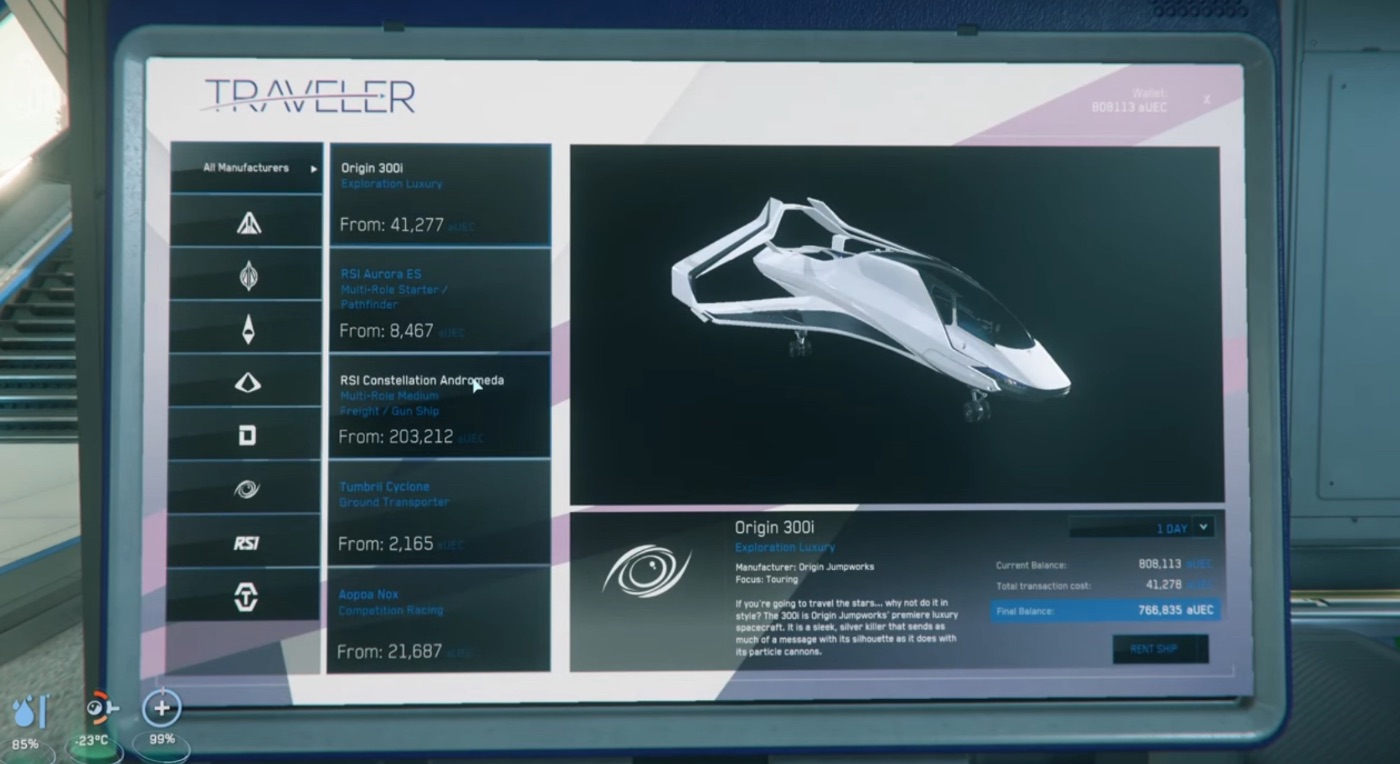
You can rent ships from terminals at major hubs like Area18, Lorville, and New Babbage, using in-game currency (aUEC). Rental periods typically range from 1 to 7 days. Once rented, the ship appears in your fleet and can be spawned like any owned ship.
Rented ships come with a stock loadout and full insurance for the duration of the rental. However, you cannot swap out components or weapons. Once the rental period expires, the ship is removed from your fleet, along with any items left inside.
Renting is ideal for trying out different roles, tackling one-off missions, or flying higher-tier ships early in your career.
Pros of Renting Ships
- Try Before You Buy: Test different ships before making a long-term investment.
- Low Upfront Cost: Access expensive ships for a fraction of their purchase price, ideal for short-term needs or special missions.
- Flexibility: Rent ships tailored to specific tasks such as mining, cargo hauling, or combat without permanent commitment.
- No Worry About Wipes: Since progress and ships may be wiped during major updates, renting minimizes the risk of losing an expensive investment.
Cons of Renting Ships
- No Customization: Rentals come with stock loadouts; you cannot upgrade weapons or components.
- Temporary Access: Once the rental expires, you lose access to the ship and any stored items.
- Limited Selection: Not all ships are available for rent, especially rare, capital, or promotional ships.
Buying Ships in Star Citizen 4.2
Buying ships is the main way players build their long-term fleet in Star Citizen 4.2. Once purchased, ships remain in your inventory and can be retrieved from terminals anytime, even across game resets (unless otherwise stated by the developers).
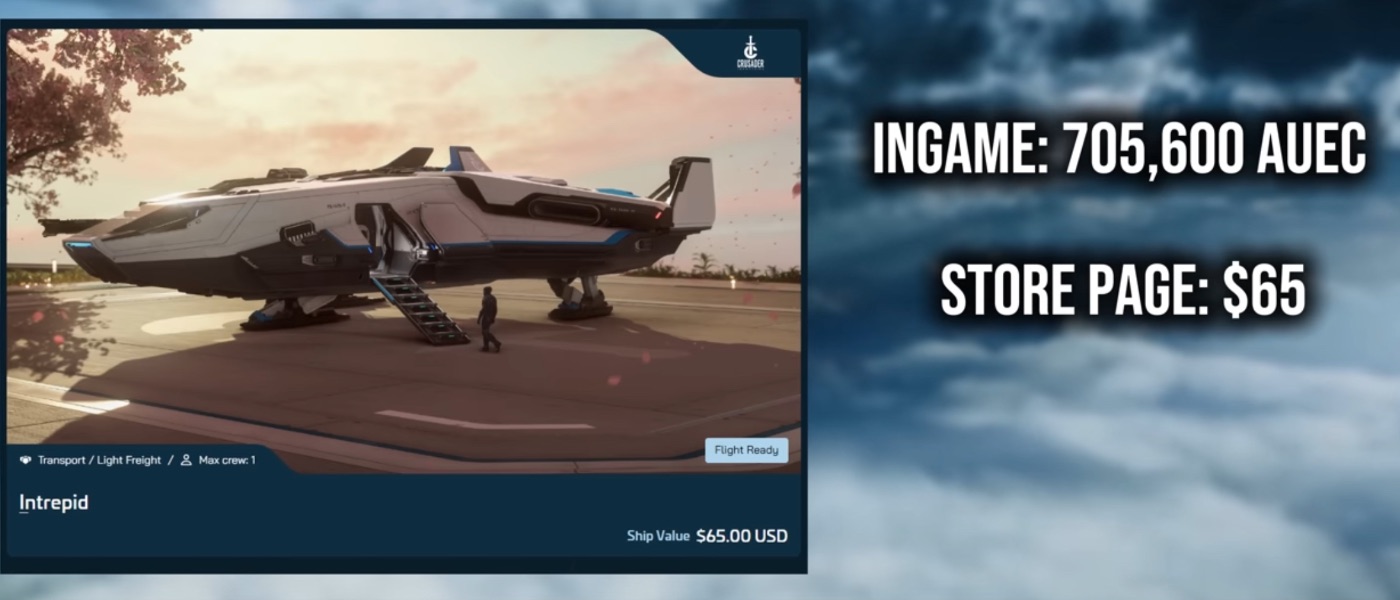
You can buy ships in two ways. The most common method is spending in-game currency (aUEC) at ship vendors located in major cities like Lorville, New Babbage, and Area18. Ships purchased this way are permanent and can be used, stored, and insured just like pledged ships.
The other option is pledging, which means buying ships with real money through the official Star Citizen website. Pledged ships also remain permanently in your account and sometimes come with exclusive skins or early access. However, most players focus on earning ships in-game first and pledge only if they want to support the game or unlock special ships.
Buying ships gives you more flexibility than renting. You can customize your ship’s loadout, store cargo and items, and repair and maintain it between sessions.
Pros of Buying Ships
Permanent Ownership: Ships stay in your fleet and can be used anytime.
Customization: Full freedom to modify weapons, shields, and other components.
No Expiry: You do not have to worry about rental timers running out.
Better Progression: Lets you gradually build a personal fleet suited to your playstyle.
Long-Term Progression: Building a personal fleet supports sustained gameplay and multi-role versatility.
Potential for Earning: Owning a ship enables you to run missions, trade, or mine at your own pace, maximizing profits over time.
Cons of Buying Ships
- High Upfront Cost: Many ships require significant time investment to earn enough aUEC.
- Game Wipes: Occasionally, major updates reset in-game purchases, requiring players to reacquire ships**.**
- Risk of Buyer’s Remorse: If you buy a ship without testing it first, you may find it does not fit your needs.
- Maintenance: Owned ships need repairs, refuelling, and insurance, adding ongoing costs.
- Less Flexibility: Committing to a ship may limit your ability to adapt to new gameplay opportunities without further investment.
Should You Buy or Rent Ships in Star Citizen 4.2?
There is no one-size-fits-all answer when it comes to buying or renting ships. The right choice depends on how you play the game, how often you fly, and what kind of flexibility you want.
Here is a quick comparison to help you decide:
| Scenario | Renting | Buying | |----|----|----| | New to Star Citizen | ✔️ Try different ships, low risk | ✖️ High cost, not recommended | | Occasional/Short-term Use | ✔️ Cost-effective for rare missions | ✖️ Not worth the investment | | Testing Before Purchase | ✔️ Try ships before committing | ✖️ Only buy after you're sure | | Focused, Regular Gameplay | ✖️ Costs add up over time | ✔️ Worth buying if you use the ship often | | Ship Customization Needed | ✖️ Not possible | ✔️ Full customization options Concerned | | About Progress Wipes | ✔️ Minimize losses | ✖️ In-game purchases may be wiped | | Access to Rare/Limited Ships | ✖️ Often unavailable for rent | ✔️ Sometimes available via pledge or events |
Pro Tip: A good rule of thumb is to rent first and buy only when you know the ship fits your playstyle.
Conclusion
Renting and buying ships each offer unique benefits in Star Citizen 4.2. Renting is perfect for flexibility, experimentation, and minimizing risk. Buying is the path to long-term progression, customization, and true ownership.
But what’s the best strategy for acquiring your own ship? Start by renting to explore your options, then buy the ships that match your style and support your goals in the game.


You May Also Like

Solana Pushes Into South Korea With Bold New Corporate Treasury Plan

First Multi-Asset Crypto ETP Opens Door to Institutional Adoption