France Warns About Gambling Ads Before 2026 World Cup
Cryptsy - Latest Cryptocurrency News and Predictions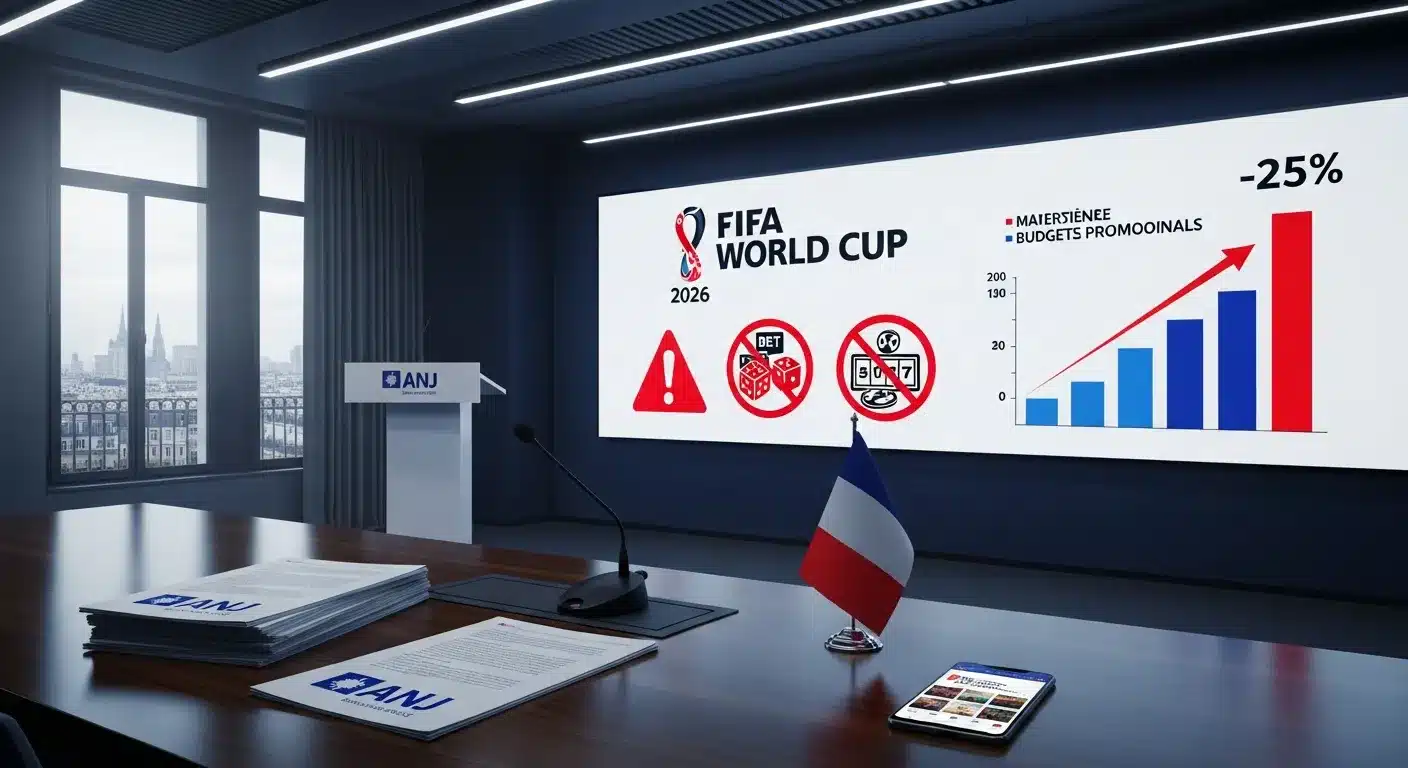
Cryptsy - Latest Cryptocurrency News and Predictions - Experts in Crypto Casinos
France is drawing a hard line on gambling advertising, and the timing isn’t coincidental. With the 2026 FIFA World Cup approaching fast, French regulators are sounding alarms about the flood of betting promotions that inevitably accompanies major sporting events. If you’re an investor tracking the intersection of sports betting, advertising regulation, and the crypto gambling sector, this is a story worth paying close attention to.
The French gambling authority, Autorité Nationale des Jeux (ANJ), has been vocal about the risks of unchecked promotional spending by betting operators. And their concerns aren’t theoretical, they’re backed by data showing aggressive budget increases from major gambling firms gearing up for the tournament. What happens in France could set a precedent that ripples across Europe and into the broader digital betting and cryptocurrency markets.
Key Takeaways
- France’s gambling authority (ANJ) is pushing strict advertising restrictions before the 2026 World Cup, including potential bans on gambling ads during live sports broadcasts and limits on influencer marketing targeting younger audiences.
- Licensed French gambling operators have increased their 2026 promotional budgets by 25%, surpassing an estimated €375 million — a spending surge that strengthens regulators’ case for intervention.
- Proposed regulations include capping promotional spending, restricting bonus offers, and enforcing clear disclosure rules on social media to reduce gambling exposure among vulnerable populations.
- Crypto betting platforms face direct consequences, as France’s crackdown on gambling ads targets the same social media and influencer channels these platforms rely on for customer acquisition.
- France’s regulatory moves could set a European precedent, following similar actions in Italy, Belgium, the Netherlands, and the UK, creating a tightening environment for gambling-related crypto tokens and platforms.
- Investors with exposure to gambling-adjacent crypto assets should monitor regulatory developments closely, as advertising restrictions may compress growth projections and put downward pressure on related token valuations.
Why France Is Cracking Down on Gambling Advertising
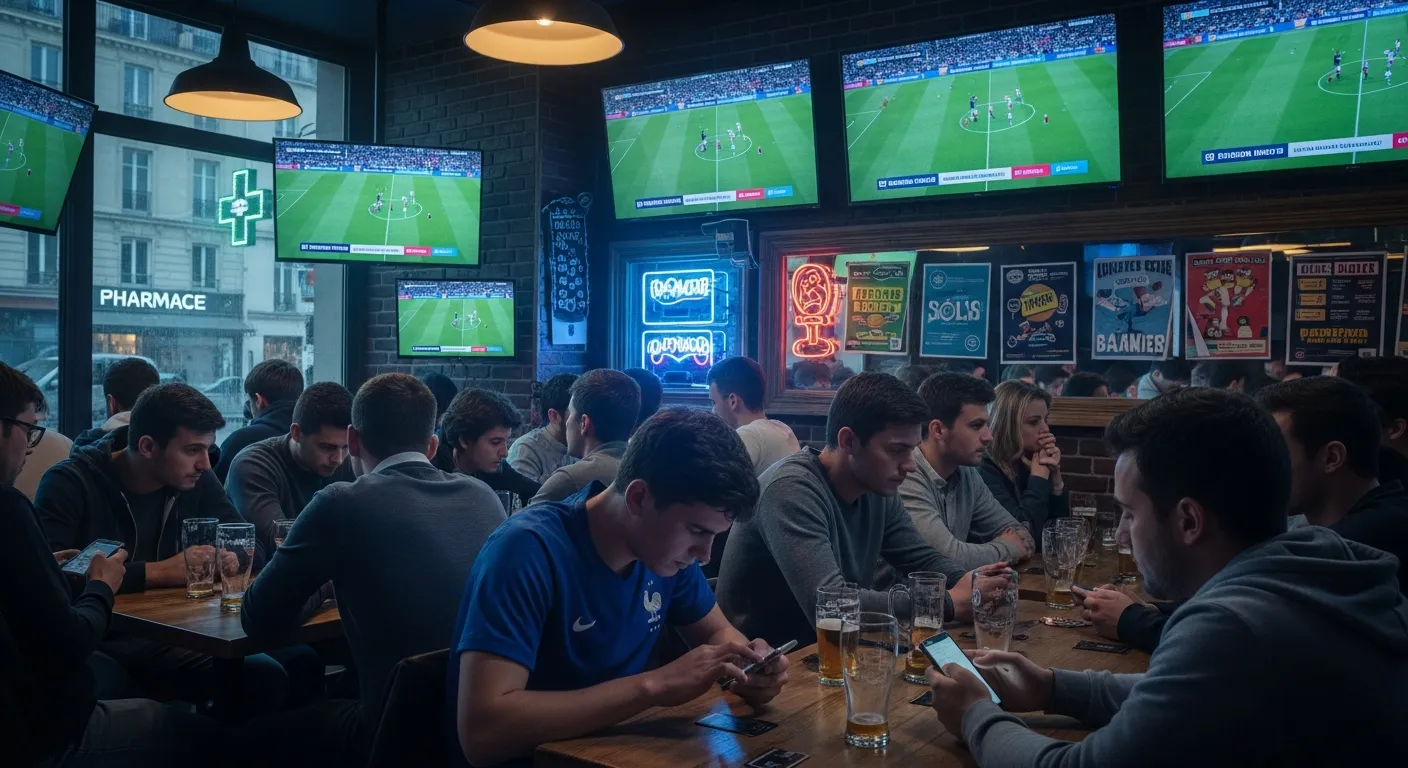
France has had a complicated relationship with gambling for years. The market was partially liberalized back in 2010, and since then, the growth has been relentless. Online sports betting revenue in France topped €2 billion in recent years, and the advertising spend has grown right alongside it.
The core issue, according to regulators, is that gambling ads have become nearly impossible to avoid, especially during televised sporting events. You see them during halftime. You see them on jersey sponsorships. You see them plastered across social media feeds. The ANJ has repeatedly warned that this level of saturation normalizes gambling behavior, particularly among younger audiences who are most exposed to digital marketing channels.
France isn’t acting purely on moral grounds here. There’s real economic concern about problem gambling rates and the social costs that follow. Studies from the French Observatory of Drugs and Addictive Behaviors have shown upticks in gambling-related harm that correlate with major sporting events. The 2022 World Cup in Qatar saw a measurable spike in first-time bettors in France, many of whom were under 25.
So when French authorities talk about cracking down, they’re responding to a pattern they’ve watched build over more than a decade. The question isn’t really whether regulation is coming, it’s how far it will go.
Key Regulations and Restrictions Being Proposed
The proposed measures go well beyond a few slapped wrists. French lawmakers and the ANJ are pushing for structural changes to how gambling operators can market their products.
One of the most significant proposals involves restricting gambling advertisements during live sports broadcasts. Under the current framework, operators can run ads before, during, and after matches with relatively few constraints. The new rules would impose strict time-based limitations and potentially ban gambling ads entirely during certain hours when younger viewers are most likely watching.
There’s also talk of capping promotional spending. Right now, operators can essentially throw as much money as they want at marketing campaigns. A spending cap would force betting companies to compete on product quality rather than sheer advertising volume, a shift that some in the industry quietly welcome, since the current arms race is expensive for everyone.
Another notable proposal targets influencer marketing and social media. If you’ve spent any time on Instagram or TikTok, you’ve probably noticed gambling promotions woven into content from sports influencers and lifestyle accounts. French regulators want clear disclosure requirements and, in some cases, outright bans on these partnerships when the content reaches audiences under 18.
Bonus offers and sign-up incentives are also under scrutiny. The “bet €10, get €50 free” model has been a staple of customer acquisition for years, but regulators argue these offers disproportionately attract vulnerable individuals and first-time gamblers who don’t fully understand the risks.
How the 2026 World Cup Is Amplifying Regulatory Urgency
Major sporting events are money-printing machines for the gambling industry. That’s not an exaggeration, betting volumes during World Cup tournaments routinely dwarf those of regular league seasons. The 2026 World Cup, co-hosted by the United States, Canada, and Mexico, is expected to be the most-watched sporting event in history, with an expanded 48-team format generating more matches and, so, more betting opportunities than ever before.
For French regulators, this creates a perfect storm. More matches mean more advertising slots. More advertising slots mean more exposure to gambling promotions. And more exposure, research consistently shows, leads to more people placing bets, many of them for the first time.
The timing pressure is real. If France wants meaningful regulations in place before the tournament kicks off in June 2026, the legislative window is already tight. Drafting, debating, and implementing new advertising rules takes time, and operators will push back hard through lobbying efforts. The ANJ knows this, which is why they’ve been escalating their public warnings since late 2025.
There’s also a competitive dimension here. France isn’t the only European country eyeing stricter gambling ad rules. Belgium, Italy, and the Netherlands have all moved in similar directions. If France acts decisively before the World Cup, it positions itself as a regulatory leader, something that carries weight in EU-level policy discussions.
The Overlap Between Gambling Ads and Crypto Betting Platforms
Here’s where things get particularly interesting for anyone watching the crypto space. The gambling industry and cryptocurrency have become deeply intertwined over the past few years. Crypto betting platforms have exploded in popularity, offering users the ability to place wagers using Bitcoin, Ethereum, and various altcoins, often with fewer identity verification requirements than traditional operators.
Many of these platforms operate in regulatory gray areas. They’re incorporated in jurisdictions with minimal oversight, and their advertising strategies are aggressive, particularly on social media and through crypto-native communities. When France talks about restricting gambling ads, the conversation inevitably touches on these platforms too.
The challenge for regulators is that crypto betting doesn’t fit neatly into existing frameworks. Traditional gambling laws were written for companies with clear geographic footprints, bank accounts in local currencies, and physical or well-defined digital presences. Crypto betting platforms are, by design, harder to pin down.
Regulatory Ripple Effects for Crypto Gambling and Token Markets
The ripple effects of France’s proposed regulations could hit the crypto gambling sector in several ways. First, any advertising restrictions that extend to social media and influencer marketing would directly affect how crypto betting platforms acquire customers. These platforms rely heavily on exactly the channels France is targeting.
Second, there’s the token angle. Several crypto gambling platforms have their own native tokens, and the value of those tokens is closely tied to platform growth and user adoption. If advertising restrictions slow customer acquisition, you could see downward pressure on token prices, something worth watching if you hold positions in gambling-related crypto assets.
Third, and this is the bigger picture, regulatory action in a major market like France tends to embolden regulators elsewhere. If French rules prove effective at curbing crypto gambling ads, expect other countries to adopt similar approaches. For investors tracking these markets, the resources at Cryptsy can help you stay on top of how regulatory shifts are affecting token valuations and market sentiment in real time.
What This Means for Investors and the Broader Crypto Industry
If you’re invested in any crypto projects tied to gambling, sports betting, or prediction markets, France’s moves should be on your radar. Regulation doesn’t always mean bad news for prices, sometimes it brings legitimacy that attracts institutional money. But in the short term, restrictions on advertising and customer acquisition typically compress growth projections, and markets respond accordingly.
The broader crypto industry is also watching because gambling regulation often serves as a proxy for how governments approach decentralized platforms in general. The same arguments French regulators make about gambling ads reaching vulnerable populations are easily adapted to discussions about crypto marketing more broadly. If you’ve noticed increased regulatory attention to how crypto exchanges advertise in Europe, it’s part of the same trend.
For business-minded investors, there’s an opportunity angle here too. Platforms that proactively comply with stricter advertising standards may emerge stronger than competitors who resist. Compliance costs money upfront, but it builds trust with regulators and users alike. The crypto gambling platforms that figure out how to operate within tighter frameworks, rather than trying to dodge them, are the ones most likely to survive long term.
Staying informed is critical during these transitions. Keeping an eye on regulatory developments through reliable crypto analysis sources like Cryptsy gives you an edge when markets react to new policy announcements.
Could Other Countries Follow France’s Lead?
Almost certainly, yes. France isn’t operating in isolation. The European Union has been moving toward greater harmonization of gambling regulations for years, and individual member states have been testing different approaches.
Italy banned gambling advertising entirely back in 2019 with its “Dignity Decree,” though enforcement has been uneven. Belgium introduced strict rules on gambling ads targeting minors and restricted sponsorship deals between betting companies and sports teams. The Netherlands overhauled its gambling framework in 2021 and has since tightened advertising rules multiple times.
The UK, while no longer an EU member, remains a major reference point. The British government introduced a ban on gambling companies sponsoring football shirts, effective from the 2026–27 season, a move that directly mirrors some of what France is proposing.
Outside Europe, Australia has been one of the most aggressive regulators, with growing calls for a complete ban on gambling advertising during live sports. If France implements strong pre-World Cup restrictions and the results are measurable, it gives ammunition to advocates in other countries pushing for similar reforms.
For the crypto gambling sector specifically, this creates a tightening net. Each new country that restricts gambling advertising shrinks the addressable market for platforms that rely on aggressive promotion. You don’t need to be a regulatory expert to see where this trend is heading.
ANJ points to a 25% jump in 2026 promotional budgets
The numbers tell a compelling story. The ANJ has flagged that licensed gambling operators in France have collectively increased their 2026 promotional budgets by roughly 25% compared to the previous year. That’s not a modest uptick, it’s a signal that the industry is gearing up for an all-out marketing blitz around the World Cup.
To put that in context, French gambling operators already spent an estimated €300 million on advertising in 2024. A 25% increase would push that figure well past €375 million, concentrated heavily in the weeks surrounding the tournament. The ANJ sees this as confirmation of exactly the pattern they’ve been warning about: operators treating major events as windows for maximum customer acquisition, with little regard for the social consequences.
What makes this data point especially notable is that it comes from operators’ own filings. These aren’t estimates from anti-gambling advocacy groups, they’re self-reported budget projections from the companies themselves. When regulators can point to the industry’s own numbers to justify intervention, it strengthens their political position considerably.
For investors, the 25% budget increase also signals confidence from operators that the World Cup will deliver returns. Betting companies don’t throw that kind of money around without expecting significant revenue growth. But if regulations cut into their ability to spend those budgets as planned, the gap between projected and actual returns could widen, and that gap has implications for publicly traded gambling companies and related crypto tokens alike.
Conclusion
France’s preemptive stance on gambling advertising ahead of the 2026 World Cup isn’t just a domestic policy story. It’s a signal of where regulation is heading across Europe and beyond, with direct implications for the crypto gambling sector, related token markets, and the broader digital advertising ecosystem.
If you’re an investor or business professional with exposure to gambling-adjacent crypto assets, now is the time to assess your positions. Regulatory tightening tends to happen in waves, and France appears to be at the front of the next one. The operators and platforms that adapt early will likely fare better than those caught off guard.
The smart move? Stay informed, watch the regulatory calendar closely, and make sure your analysis accounts for the shifting rules of the game. Reliable market intelligence, whether from sources like Cryptsy or direct regulatory filings, is your best tool for staying ahead of these changes before they’re priced in.
Frequently Asked Questions
Why is France cracking down on gambling ads before the 2026 World Cup?
France’s gambling authority (ANJ) is targeting the surge in betting promotions expected around the 2026 FIFA World Cup. Data shows operators have increased promotional budgets by 25%, and regulators warn that ad saturation normalizes gambling behavior — especially among younger audiences exposed through digital and social media channels.
What gambling advertising restrictions is France proposing for the 2026 World Cup?
Proposed measures include time-based limits or outright bans on gambling ads during live sports broadcasts, caps on promotional spending, stricter influencer and social media disclosure rules, bans on content reaching audiences under 18, and tighter controls on bonus offers and sign-up incentives designed to attract first-time bettors.
How could France’s gambling ad regulations affect crypto betting platforms?
Crypto betting platforms rely heavily on social media and influencer marketing — the exact channels France is targeting. Advertising restrictions could slow customer acquisition, put downward pressure on native gambling tokens, and embolden regulators in other countries to adopt similar rules, shrinking the addressable market for crypto gambling operators.
Which other countries have banned or restricted gambling advertising?
Italy banned gambling ads in 2019 via its Dignity Decree. Belgium restricted ads targeting minors and limited sports sponsorships. The Netherlands tightened rules after its 2021 gambling overhaul. The UK banned gambling shirt sponsorships starting in 2026–27, and Australia is pushing toward a complete ban on gambling ads during live sports.
How much do French gambling operators spend on advertising annually?
French gambling operators spent an estimated €300 million on advertising in 2024. With the ANJ reporting a 25% increase in 2026 promotional budgets, that figure is expected to surpass €375 million — heavily concentrated around the World Cup — prompting regulators to accelerate their push for spending caps and broadcast restrictions.
When does the 2026 FIFA World Cup start, and why does the timeline matter for gambling regulations?
The 2026 World Cup, co-hosted by the US, Canada, and Mexico, kicks off in June 2026 with an expanded 48-team format. France’s legislative window to draft, debate, and implement new gambling ad rules before the tournament is already tight, which is why the ANJ has been escalating public warnings since late 2025.
The post France Warns About Gambling Ads Before 2026 World Cup first appeared on Cryptsy - Latest Cryptocurrency News and Predictions and is written by Ethan Blackburn


You May Also Like

Covéa Chooses Shift Technology as Strategic Partner for Fraud and Risk Management

Not a loophole: Singapore AI export controls let China tap US AI legally

Bitcoin, Gold, and U.S. Stocks Dive as Trump Pledges to Hit Iran ‘Extremely Hard’