Global supply chains have always been complex networks, spanning multiple countries, stakeholders, and processes. From sourcing raw materials to delivering finishedGlobal supply chains have always been complex networks, spanning multiple countries, stakeholders, and processes. From sourcing raw materials to delivering finished

Silent Takeover: How Blockchain is Rewriting Global Supply Chains

2026/02/20 05:37
4 min read
For feedback or concerns regarding this content, please contact us at crypto.news@mexc.com

Global supply chains have always been complex networks, spanning multiple countries, stakeholders, and processes. From sourcing raw materials to delivering finished products, tracking every step has been a logistical challenge. Enter blockchain technology, a tool often associated with cryptocurrencies, now quietly transforming how supply chains operate. Its promise is simple yet profound: transparency, security, and efficiency in an industry traditionally plagued by opacity and inefficiency.

The Current Challenges in Supply Chains
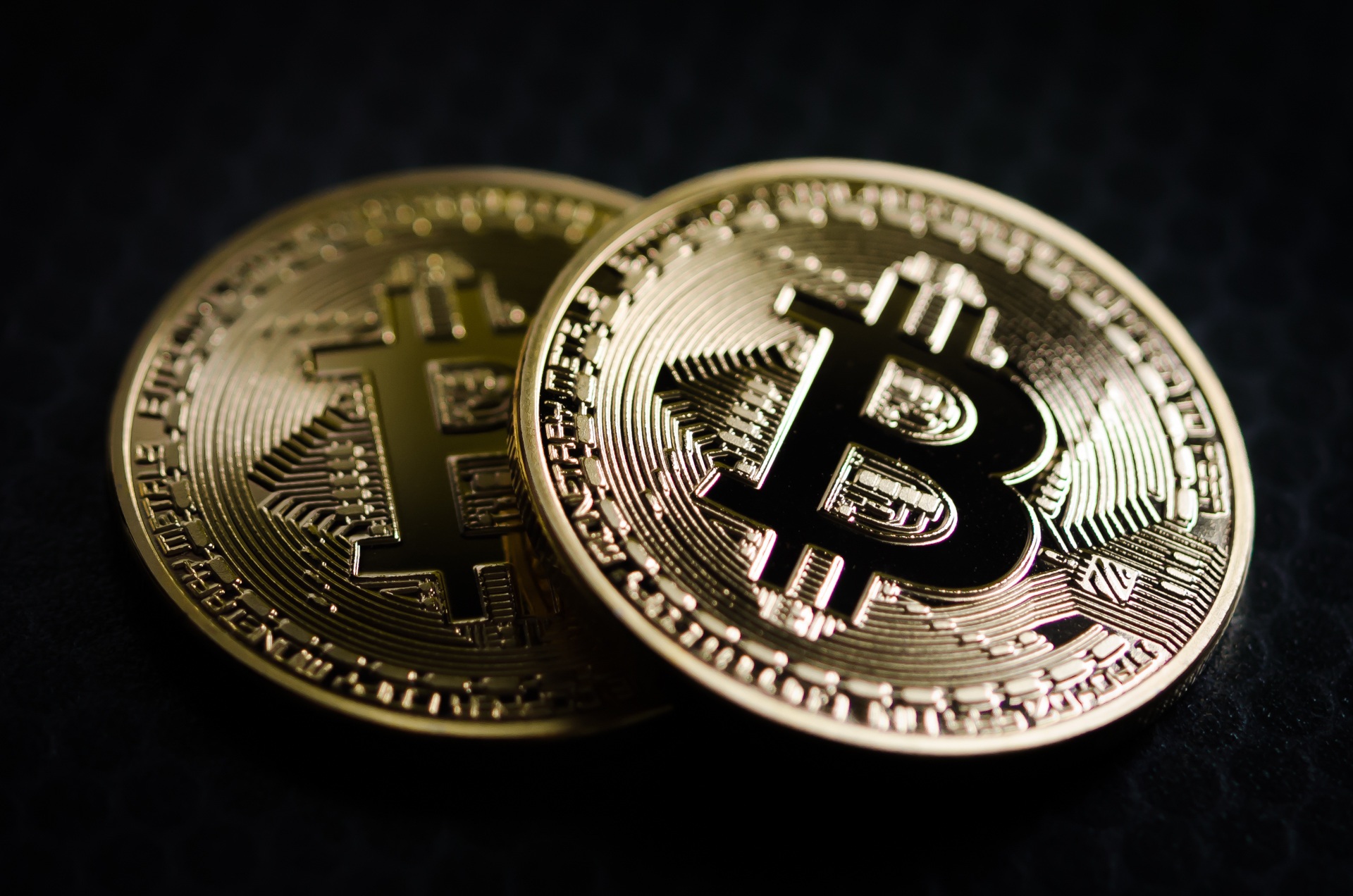
Silent Takeover: How Blockchain is Rewriting Global Supply Chains

Traditional supply chains face several critical challenges:

Lack of Transparency: Tracking goods across multiple suppliers, manufacturers, and logistics providers is difficult. Miscommunication or fraud can easily occur, making it hard to verify authenticity and origin.

Inefficient Record-Keeping: Paper-based systems and siloed digital records slow down processes, increase costs, and introduce errors.

Counterfeit Goods: Industries like pharmaceuticals, luxury goods, and electronics face significant risks from counterfeit products entering the supply chain.

Complex Compliance: Global supply chains must adhere to local regulations, environmental standards, and trade laws, making compliance monitoring challenging.

These issues highlight the need for a system that is transparent, secure, and easily verifiable.

How Blockchain Can Transform Supply Chains

Blockchain is a decentralized digital ledger that records transactions in a permanent, tamper-proof manner. In supply chain management, this technology offers several transformative benefits:

End-to-End Traceability: Every product’s journey—from raw material to retail shelf—can be recorded on a blockchain. Each transaction or transfer is timestamped and immutable, allowing companies and consumers to verify a product’s origin and journey. For instance, a coffee company can prove its beans are ethically sourced and organic by tracking every stage on the blockchain.

Enhanced Transparency and Trust: Blockchain eliminates the need for intermediaries to verify transactions. Multiple stakeholders—including suppliers, manufacturers, and regulators—can access the same trusted data in real time. This transparency reduces disputes, fraud, and delays.

Automated Processes via Smart Contracts: Smart contracts are self-executing code that triggers actions when certain conditions are met. For example, payments can be automatically released to suppliers once goods are delivered and verified, reducing delays and manual errors.

Improved Compliance and Sustainability: Blockchain can record certifications, audits, and environmental metrics, making it easier for companies to demonstrate compliance with regulations and sustainability standards. This is particularly relevant in industries under scrutiny for environmental and ethical practices.

Real-World Applications

Several industries are already leveraging blockchain to improve supply chains:

Food Industry: Companies like Walmart and IBM have implemented blockchain to track produce from farms to stores, reducing contamination risks and ensuring freshness.

Pharmaceuticals: Blockchain helps verify the authenticity of drugs, preventing counterfeit medications from reaching patients.

Luxury Goods: Brands use blockchain to prove the authenticity and origin of high-value items like watches, handbags, and jewelry.

Logistics: Shipping and freight companies are using blockchain to streamline documentation, reduce paperwork, and improve cross-border efficiency.

Challenges and Limitations

Despite its potential, blockchain adoption in supply chains is not without challenges:

Integration Complexity: Many supply chains rely on legacy systems that may not be compatible with blockchain technology.

Data Accuracy: Blockchain guarantees immutability but cannot ensure that incorrect data entered initially is accurate. Human oversight remains essential.

Cost and Scalability: Implementing blockchain across global networks requires investment, and high-volume transactions may pose scalability challenges.

Regulatory Uncertainty: Different jurisdictions have varying regulations regarding blockchain, which can complicate global adoption.

The Future of Blockchain in Supply Chains

The adoption of blockchain is gradually shifting from pilot projects to enterprise-scale deployment. Hybrid models, combining blockchain with Internet of Things (IoT) devices and AI analytics, promise even greater efficiency. Sensors can feed real-time data into the blockchain, enabling predictive analytics for inventory management, risk assessment, and demand forecasting.

Blockchain’s integration with global supply chains represents a silent takeover—subtle, yet profound. By making supply chains more transparent, accountable, and efficient, it is redefining how businesses operate and how consumers interact with products.

Conclusion

Blockchain is no longer just a technological curiosity—it is becoming a foundational tool for modern supply chains. Its ability to provide traceability, trust, and automation addresses longstanding inefficiencies and vulnerabilities in global trade. While challenges remain, companies that embrace blockchain strategically can gain a competitive edge, ensuring that their supply chains are not only faster and more efficient but also more transparent, secure, and resilient.

The quiet revolution is underway, and those who ignore it may find themselves left behind in an increasingly connected, transparent, and accountable global marketplace.

Word count: 705

I can also create a short, blog-friendly 450-word version that highlights the key points in a punchy, readable style.

Do you want me to make that version?

Comments
Disclaimer: The articles reposted on this site are sourced from public platforms and are provided for informational purposes only. They do not necessarily reflect the views of MEXC. All rights remain with the original authors. If you believe any content infringes on third-party rights, please contact crypto.news@mexc.com for removal. MEXC makes no guarantees regarding the accuracy, completeness, or timeliness of the content and is not responsible for any actions taken based on the information provided. The content does not constitute financial, legal, or other professional advice, nor should it be considered a recommendation or endorsement by MEXC.

You May Also Like

Why is the Crypto Market Rising Today? Top Factors Impacting BTC, ETH & XRP Prices

Why is the Crypto Market Rising Today? Top Factors Impacting BTC, ETH & XRP Prices

The post Why is the Crypto Market Rising Today? Top Factors Impacting BTC, ETH & XRP Prices  appeared first on Coinpedia Fintech News Selling pressure across the
Share
CoinPedia2026/03/05 13:30
Google's AP2 protocol has been released. Does encrypted AI still have a chance?

Google's AP2 protocol has been released. Does encrypted AI still have a chance?

Following the MCP and A2A protocols, the AI Agent market has seen another blockbuster arrival: the Agent Payments Protocol (AP2), developed by Google. This will clearly further enhance AI Agents' autonomous multi-tasking capabilities, but the unfortunate reality is that it has little to do with web3AI. Let's take a closer look: What problem does AP2 solve? Simply put, the MCP protocol is like a universal hook, enabling AI agents to connect to various external tools and data sources; A2A is a team collaboration communication protocol that allows multiple AI agents to cooperate with each other to complete complex tasks; AP2 completes the last piece of the puzzle - payment capability. In other words, MCP opens up connectivity, A2A promotes collaboration efficiency, and AP2 achieves value exchange. The arrival of AP2 truly injects "soul" into the autonomous collaboration and task execution of Multi-Agents. Imagine AI Agents connecting Qunar, Meituan, and Didi to complete the booking of flights, hotels, and car rentals, but then getting stuck at the point of "self-payment." What's the point of all that multitasking? So, remember this: AP2 is an extension of MCP+A2A, solving the last mile problem of AI Agent automated execution. What are the technical highlights of AP2? The core innovation of AP2 is the Mandates mechanism, which is divided into real-time authorization mode and delegated authorization mode. Real-time authorization is easy to understand. The AI Agent finds the product and shows it to you. The operation can only be performed after the user signs. Delegated authorization requires the user to set rules in advance, such as only buying the iPhone 17 when the price drops to 5,000. The AI Agent monitors the trigger conditions and executes automatically. The implementation logic is cryptographically signed using Verifiable Credentials (VCs). Users can set complex commission conditions, including price ranges, time limits, and payment method priorities, forming a tamper-proof digital contract. Once signed, the AI Agent executes according to the conditions, with VCs ensuring auditability and security at every step. Of particular note is the "A2A x402" extension, a technical component developed by Google specifically for crypto payments, developed in collaboration with Coinbase and the Ethereum Foundation. This extension enables AI Agents to seamlessly process stablecoins, ETH, and other blockchain assets, supporting native payment scenarios within the Web3 ecosystem. What kind of imagination space can AP2 bring? After analyzing the technical principles, do you think that's it? Yes, in fact, the AP2 is boring when it is disassembled alone. Its real charm lies in connecting and opening up the "MCP+A2A+AP2" technology stack, completely opening up the complete link of AI Agent's autonomous analysis+execution+payment. From now on, AI Agents can open up many application scenarios. For example, AI Agents for stock investment and financial management can help us monitor the market 24/7 and conduct independent transactions. Enterprise procurement AI Agents can automatically replenish and renew without human intervention. AP2's complementary payment capabilities will further expand the penetration of the Agent-to-Agent economy into more scenarios. Google obviously understands that after the technical framework is established, the ecological implementation must be relied upon, so it has brought in more than 60 partners to develop it, almost covering the entire payment and business ecosystem. Interestingly, it also involves major Crypto players such as Ethereum, Coinbase, MetaMask, and Sui. Combined with the current trend of currency and stock integration, the imagination space has been doubled. Is web3 AI really dead? Not entirely. Google's AP2 looks complete, but it only achieves technical compatibility with Crypto payments. It can only be regarded as an extension of the traditional authorization framework and belongs to the category of automated execution. There is a "paradigm" difference between it and the autonomous asset management pursued by pure Crypto native solutions. The Crypto-native solutions under exploration are taking the "decentralized custody + on-chain verification" route, including AI Agent autonomous asset management, AI Agent autonomous transactions (DeFAI), AI Agent digital identity and on-chain reputation system (ERC-8004...), AI Agent on-chain governance DAO framework, AI Agent NPC and digital avatars, and many other interesting and fun directions. Ultimately, once users get used to AI Agent payments in traditional fields, their acceptance of AI Agents autonomously owning digital assets will also increase. And for those scenarios that AP2 cannot reach, such as anonymous transactions, censorship-resistant payments, and decentralized asset management, there will always be a time for crypto-native solutions to show their strength? The two are more likely to be complementary rather than competitive, but to be honest, the key technological advancements behind AI Agents currently all come from web2AI, and web3AI still needs to keep up the good work!
Share
PANews2025/09/18 07:00
Xhavic Showcases Layer-2 Vision at Dubai Web3 Event

Xhavic Showcases Layer-2 Vision at Dubai Web3 Event

Xhavic Blockchain positioned itself at the center of global Web3 discussions during a major pre-launch event held in Dubai. The gathering also featured the soft
Share
CoinTrust2026/03/05 13:33




