

If Presidential Elections used Blockchain, Could We Finally Trust the Vote Again?
Could We Finally Trust the Vote Again?
Let’s imagine it’s election day. You’re sipping your morning coffee, then pick up your phone, tap an app, verify your ID, and vote. Just like that. No long lines. No shady ballot counts. No wondering if your vote even mattered.
Now imagine that vote gets recorded publicly, immutably, and can never be tampered with, all thanks to blockchain.
Sounds like a dream, right?
But with Web3 technology, this dream might not be that far away.
Why People Don’t Trust Elections Anymore
\ Whether it’s the U.S., Indonesia, or anywhere else, election controversies are all too common.Ballot fraud, vote tampering, mysterious system “errors”… the list goes on. Every few years, we see the same movie play out, allegations, protests, and mistrust.
And let’s be real: even if everything is fair, people still doubt it.
That’s where blockchain comes in.
What Blockchain Brings to the Table
\
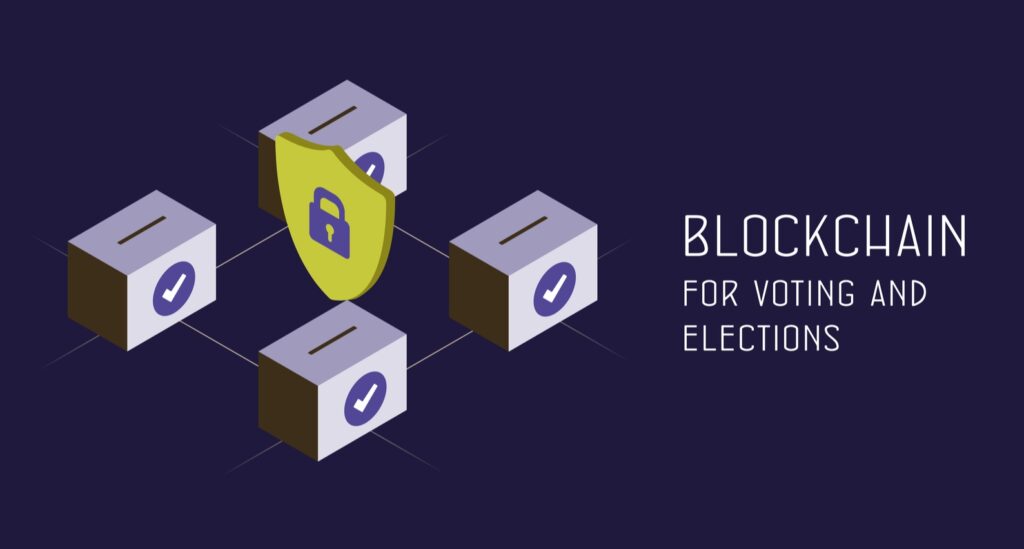
\ At its core, blockchain is a digital ledger. Public, unchangeable, and secure. Once something is recorded, it can’t be altered without the entire network knowing. That’s why it works so well for money and data.
So, what if we applied that same technology to voting?
With blockchain voting:
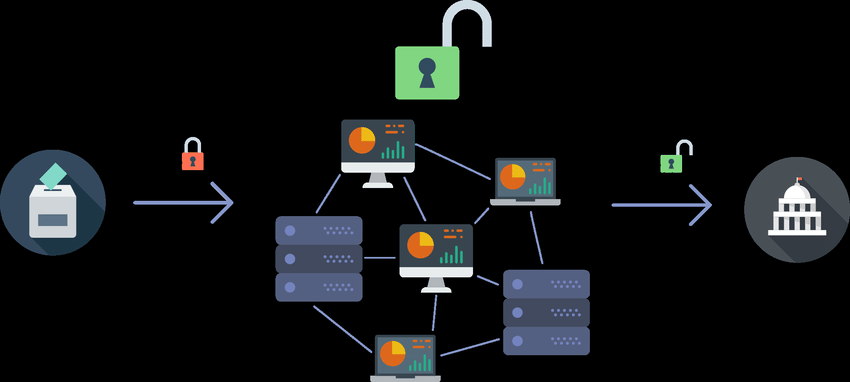
- Each vote is recorded like a transaction
- Voters can verify their vote went through
- No one, not even the government, can secretly modify the results
It’s like having a public, transparent vote count that’s open for anyone to audit in real time.
A Voting System That Can’t Be Rigged?
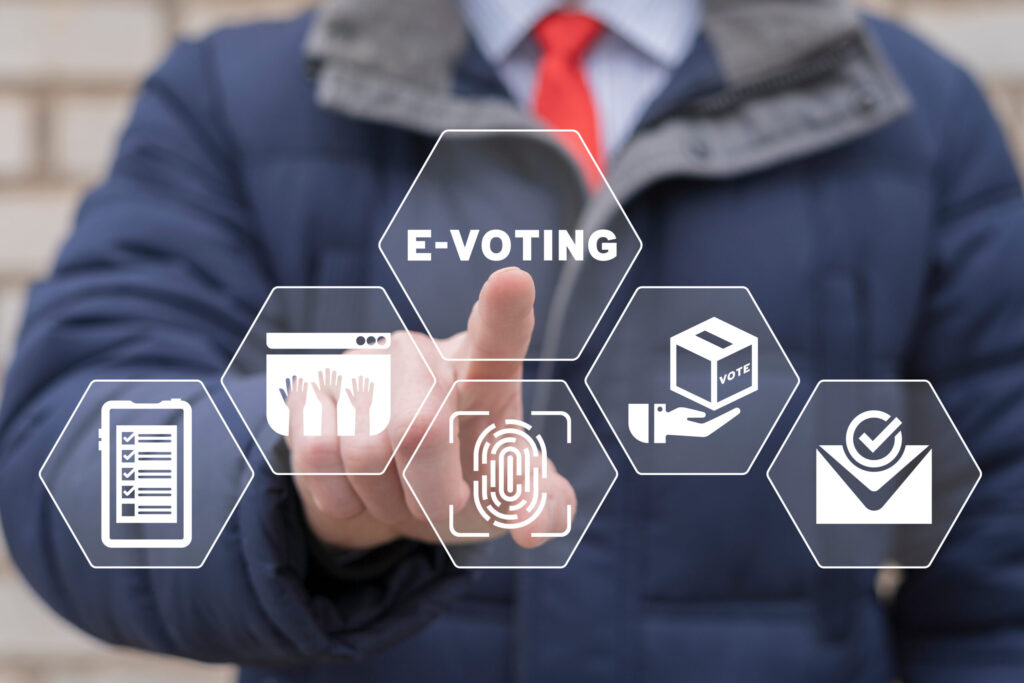
Imagine a voting app that uses your digital ID (secured with biometrics or government verification). Once you cast your vote, the blockchain confirms it and stores it forever. You can even get a hash (like a receipt) to prove your vote exists on the chain.
No middlemen. No missing ballots. No room for funny business.
It’s like sending crypto, you know it’s sent, confirmed, and traceable.
But What About Voter Privacy?
\
\ Good question, and yes, it’s one of the biggest challenges.
But new tech like zero-knowledge proofs (ZKPs) can help. These let people prove something (like their vote) without revealing the full data. So you could verify your vote exists and was counted without revealing who you voted for.
It’s like showing your friend you have a ticket to a concert… without showing which seat you have.
Real-World Examples Already Exist
In the United States, some states have already tested blockchain voting, though only in small, controlled trials.
- West Virginia allowed overseas military members to vote via a blockchain-based app called Voatz in 2018.
- Utah County enabled a similar app during the 2020 presidential election for absentee voters.
- Even Oregon ran a limited pilot in a few counties back in 2019.
These tests were very limited, mostly for military or overseas voters, but they proved one thing: the technology can work.
But Let’s Be Honest. It’s Not Plug-and-Play Yet
\
\ There are still major hurdles:
- Digital access: Not everyone has internet or smartphones
- Education: People need to trust and understand the tech
- Identity: Verifying digital IDs securely is a big challenge
- Legal: Laws in most countries don’t support blockchain voting (yet)
But none of those problems are unsolvable. Especially not in a world where most of us already do banking, shopping, and business online.
What This Could Mean for the Future
If blockchain ran elections, we might finally:
- Eliminate voter fraud
- Reduce political unrest
- Rebuild public trust in democracy
- Empower diaspora or remote citizens to vote securely
It’s not just about tech, it’s about fairness, efficiency, and inclusion.
So..
Voting is the foundation of democracy, yet it’s one of the least modernized systems we have.
Blockchain won’t fix politics overnight, but it could fix how we vote, and maybe that’s the first step to fixing everything else.
The question is: Are we ready to upgrade democracy?
If there’s something you want me to cover next, just let me know. You can follow me here on my website to get my latest updates as soon as they drop! You can also contact me through X @AskaraJr and Linkedin


You May Also Like

Ultimate Guide: Top No Deposit Bonus Casinos to Win Big




